
Beautiful Plants For Your Interior
Beautiful Plants For Your Interior
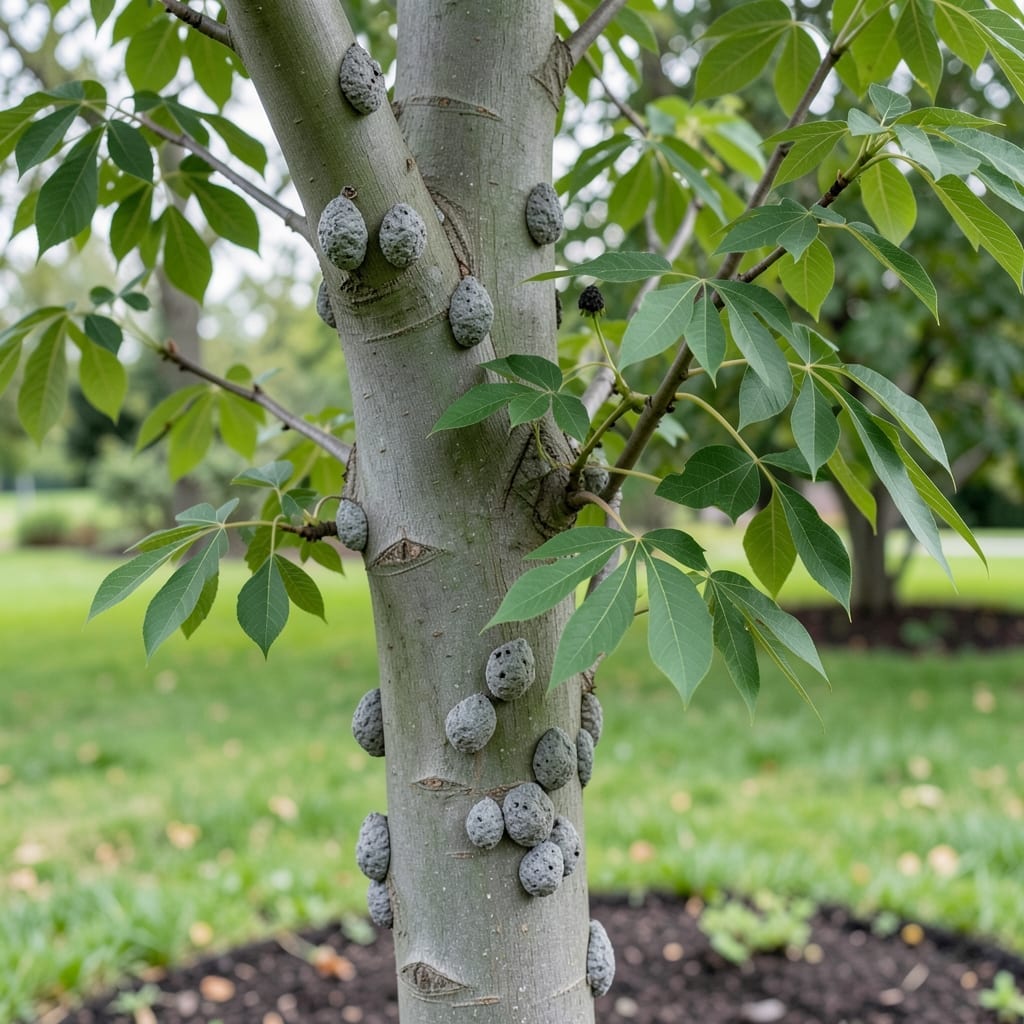
I found my first spotted lanternfly egg sac on a tree trunk last fall. It looked like a smudge of mud, but it was actually 50-60 future pests waiting to hatch.
These gray, oval masses appear on trees, rocks, and even outdoor furniture. They’re easy to miss until you know what to look for. I now check my property weekly from September to May.
Left unchecked, the nymphs that emerge will feed on sap from over 70 plant species. The damage weakens plants and creates sticky honeydew that attracts mold.
Here’s the thing—scratching them off with a plastic card or putting them in a bag with hand sanitizer works. No fancy equipment needed, just vigilance and quick action.
The spotted lanternfly (Lycorma delicatula) lays egg sacs as part of its natural reproductive cycle, but understanding the why helps in prevention. These invasive pests thrive in specific conditions, and their egg-laying behavior is driven by biological and environmental factors.
Female spotted lanternflies lay egg sacs in late summer to early fall to ensure the survival of the next generation. Each sac contains 30–50 eggs, which are coated in a protective, mud-like substance to shield them from predators and harsh weather. This instinctive process is hardwired into their lifecycle, making early detection critical.
These pests prefer trees like Ailanthus altissima (Tree of Heaven), grapevines, and hardwoods. The abundance of these hosts in gardens or forests encourages egg-laying. Female lanternflies seek smooth, vertical surfaces—tree bark, outdoor furniture, or even vehicles—to deposit their sacs, maximizing hatchling survival rates.
Warm, humid climates accelerate the lanternfly’s lifecycle. As temperatures drop in autumn, females urgency to lay eggs before winter. The sacs’ cold-hardy design allows them to endure freezing temperatures, hatching in spring when conditions warm. This adaptability makes them a persistent threat in temperate regions.
Actionable Tip: Inspect high-risk areas (tree trunks, patio furniture) from September to November to remove sacs before they harden and overwinter.
Spotted lanternfly egg sacs can quickly turn your garden into a battleground, but with the right approach, you can take control. Here’s how to tackle the problem head-on, step by step.
If you spot egg sacs on trees, fences, or outdoor furniture, scrape them off using a plastic card or putty knife. Drop the sacs into a sealed bag or container with rubbing alcohol or hand sanitizer to ensure they don’t hatch. Never crush them directly—this can spread the eggs.
After removing egg sacs, clean the surface with a solution of water and dish soap or a vinegar-water mix (1:1 ratio) to eliminate any lingering residue. For hard-to-reach spots, a pressure washer can help dislodge hidden sacs.
Protect high-risk areas by wrapping tree trunks with sticky bands in late summer and fall. This traps adult lanternflies before they can lay eggs. For an extra layer of defense, apply horticultural oil or insecticidal soap to vulnerable plants—just follow label instructions carefully.
Consistency is key—stay vigilant and act fast to keep these pests from taking over your yard!
They appear as gray, mud-like patches about 1 inch long and 0.5 inches wide. Over time, they dry and crack, looking like old, flaky paint. Check tree trunks and smooth outdoor surfaces.
Scrape them off with a plastic card into a bag with rubbing alcohol or hand sanitizer. Never crush them directly—this can spread eggs. Always wear gloves for protection.
Inspect from September to May, especially in late fall before they harden. Early detection prevents hatching in spring. Mark your calendar for weekly checks.
Yes, the sacs are designed to withstand freezing temperatures. They hatch when spring temperatures consistently reach 50°F or higher.