
Beautiful Plants For Your Interior
Beautiful Plants For Your Interior
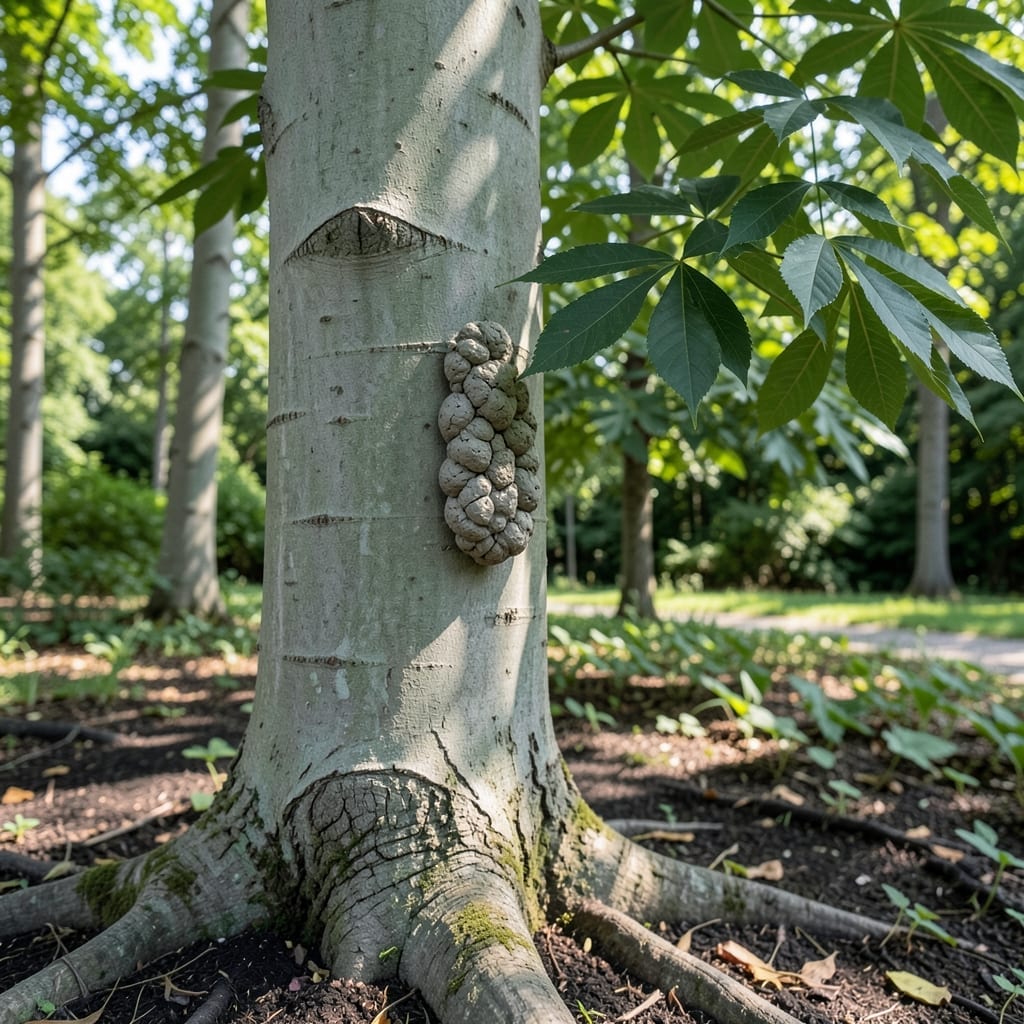
Last fall, I found my first spotted lanternfly egg mass on a maple sapling. Gray, mud-like smears that almost blended into the bark—until I knew what to look for.
These masses contain 30-50 eggs each, and missing them means a spring explosion of plant-damaging nymphs. The key is catching them before they hatch in late April or early May.
I use a plastic card to scrape them into a bag with rubbing alcohol. It takes 30 seconds and stops the next generation cold. No chemicals, just timing and technique.
Check tree trunks, outdoor furniture, even your car. They’ll lay eggs on almost any flat surface within their reach.
The spotted lanternfly (Lycorma delicatula) lays egg masses as part of its reproductive cycle, driven by biological instincts and environmental conditions. Understanding these causes helps gardeners and property owners anticipate and manage infestations more effectively.
Spotted lanternflies enter their reproductive phase in late summer and fall. After mating, females seek smooth, vertical surfaces—like tree bark, rocks, or outdoor furniture—to deposit egg masses. Each mass contains 30–50 eggs, covered in a protective, mud-like substance to shield them from predators and harsh weather. This is a hardwired survival mechanism to ensure the next generation’s survival.
These pests thrive in temperate climates and are particularly drawn to areas with abundant host plants, such as Ailanthus altissima (tree of heaven), grapevines, and fruit trees. The presence of these plants signals a suitable environment for egg-laying, as they provide food for nymphs once they hatch. Urban and suburban settings with diverse vegetation often see higher egg mass concentrations.
The egg mass’s gray, putty-like coating isn’t just for camouflage—it’s a defensive tactic. This layer hardens to resist freezing temperatures, moisture, and even some pesticides. By choosing sheltered, hard-to-reach spots, females maximize the chances that eggs will survive winter and hatch in spring. This adaptability is a key reason why their populations spread rapidly.
Spotted lanternfly egg masses can be tricky, but with the right approach, you can tackle them effectively. Here’s how to address common scenarios and prevent future infestations.
Use a plastic card or putty knife to scrape the egg masses into a sealed bag or container. Fill the bag with rubbing alcohol or hand sanitizer to kill the eggs, then dispose of it properly. Avoid crushing the eggs, as this can spread them further.
For non-porous surfaces like patio furniture or sheds, a pressure washer can be effective. If the surface is delicate, opt for scraping followed by a wipe-down with a soapy water solution (dish soap works well). Always check for residue to ensure complete removal.
Spotted lanternflies prefer the Ailanthus altissima (Tree of Heaven) for laying eggs. Remove these trees from your property if possible. Additionally:
💡 Pro Tip: Early detection is key! Check your property regularly, especially in late fall and early spring when egg masses are most visible.
Begin inspections in late fall through early spring. Females lay eggs from September to November, and they hatch in late April or early May.
They appear as gray, mud-like smears about 1 inch long. Older masses may crack, revealing rows of tiny seeds inside. Check tree trunks and smooth surfaces closely.
Soapy water works on surfaces but won’t kill the eggs. Always scrape into alcohol for guaranteed destruction. Never crush them by hand.
Their mud-like coating blends into bark and other surfaces. They often choose hidden spots like tree crevices or undersides of outdoor items.