
Beautiful Plants For Your Interior
Beautiful Plants For Your Interior
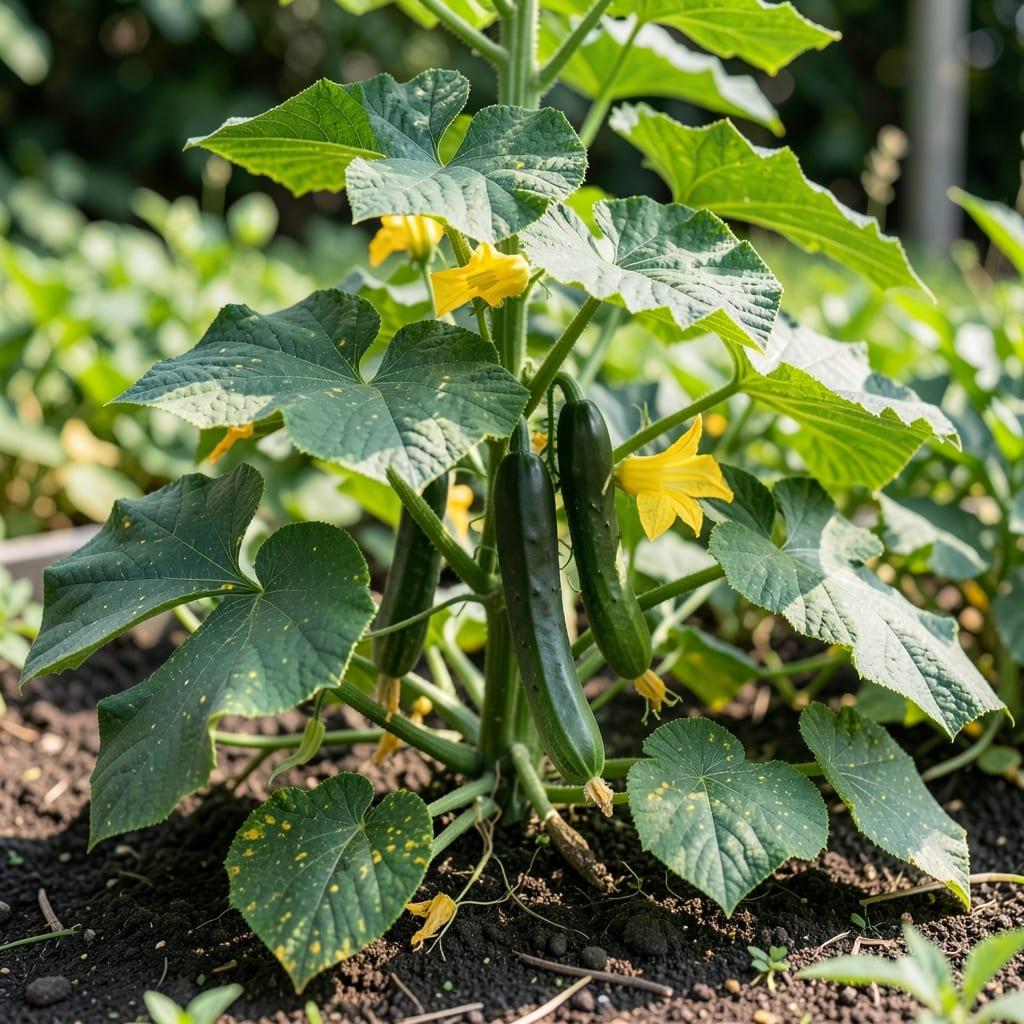
Spotted cucumber leaves always hit me in the gut. I remember walking out to my garden last July, seeing those first yellow splotches on my vines, and knowing trouble had arrived.
What looks like a minor cosmetic issue can actually be your plants crying for help. Those spots often signal fungal infections, pest damage, or nutrient deficiencies—each with its own telltale pattern you can learn to recognize.
Here’s the thing—catching it early makes all the difference. A few days of attentive care can turn things around before your entire crop is compromised.
You’ll find your plants bouncing back with healthier foliage and a longer harvest window once you identify the root cause and apply the right treatment.
Spotted cucumber leaves are often a red flag for underlying issues in your garden. Here’s a breakdown of the most common causes, explained with actionable insights:
Fungi like Alternaria or Cercospora thrive in wet, humid conditions. These pathogens produce circular or angular spots, often with yellow halos or dark centers. Overhead watering and poor air circulation accelerate their spread. Prevent it: Water at the base, space plants properly, and remove infected foliage immediately.
Pests such as spider mites, aphids, or cucumber beetles pierce leaf tissues, creating stippled or yellow-spotted patterns. Their feeding also introduces secondary infections. Combat it: Inspect leaf undersides for tiny pests and use neem oil or insecticidal soap for organic control.
Deficiencies in magnesium or potassium can manifest as interveinal chlorosis or necrotic spots. Older leaves are typically affected first. Fix it: Test soil pH (ideal: 6.0–6.8) and amend with balanced organic fertilizers like compost or kelp meal.
Sunburn, chemical drift (e.g., herbicides), or temperature extremes can cause irregular brown or white patches. Avoid it: Provide afternoon shade in scorching climates and shield plants from windborne chemicals.
Pseudomonas syringae or Xanthomonas bacteria create water-soaked spots that turn brown or black. These thrive in wet foliage. Stop it: Rotate crops, avoid working with wet plants, and apply copper-based bactericides as a last resort.
Pro Tip 💡: Early diagnosis is key—remove affected leaves promptly to prevent spread, and always sterilize pruning tools between cuts.
Spotted cucumber leaves can often be saved with quick, targeted action. Below are the most common causes and their fixes, along with prevention tips to keep your plants healthy long-term.
Fix: Remove and destroy infected leaves immediately to prevent spread. Apply a copper-based fungicide or a DIY spray of 1 tsp baking soda + 1 quart water + a few drops of dish soap. Spray every 5–7 days until symptoms fade.
Prevention: 💡 Improve airflow by spacing plants 18–24 inches apart. Water at the base in the morning to allow foliage to dry quickly. Avoid overhead watering.
Fix: Blast pests off with a strong stream of water, or wipe leaves with a soapy water solution (1 tbsp mild soap + 1 quart water). For severe cases, use neem oil or introduce beneficial insects like ladybugs.
Prevention: 🎯 Use row covers early in the season to block pests. Plant companion herbs like dill or marigolds to repel beetles naturally.
Fix: Adjust watering to keep soil moist but not soggy. If leaves show yellowing between veins, test soil for deficiencies. Apply a balanced fertilizer (10-10-10) or compost tea for a nutrient boost.
Prevention: ✨ Mulch around plants to retain moisture and regulate soil temperature. Rotate crops yearly to prevent nutrient depletion.
Fix: Prune affected leaves and avoid working with wet plants to limit spread. Apply a bactericide like copper sulfate, or a natural option: 1 part hydrogen peroxide (3%) to 10 parts water as a foliar spray.
Prevention: 🌱 Start with disease-resistant cucumber varieties. Clean tools with rubbing alcohol between uses to avoid cross-contamination.
Fungal spots are usually circular with defined edges, often yellow or brown. Pest damage appears as tiny holes or stippling. Check leaf undersides for bugs to confirm.
Yes, pruning infected leaves prevents spread. Use clean tools and dispose of leaves far from your garden. Never compost diseased foliage.
For fungal issues, spray with 1 tsp baking soda in 1 quart water plus soap. For pests, use neem oil. Act within 24-48 hours for best results.
Yes, if the cucumbers look healthy. Wash them thoroughly. Avoid eating any that show spots or rot. Always harvest before disease spreads to fruit.