
Beautiful Plants For Your Interior
Beautiful Plants For Your Interior
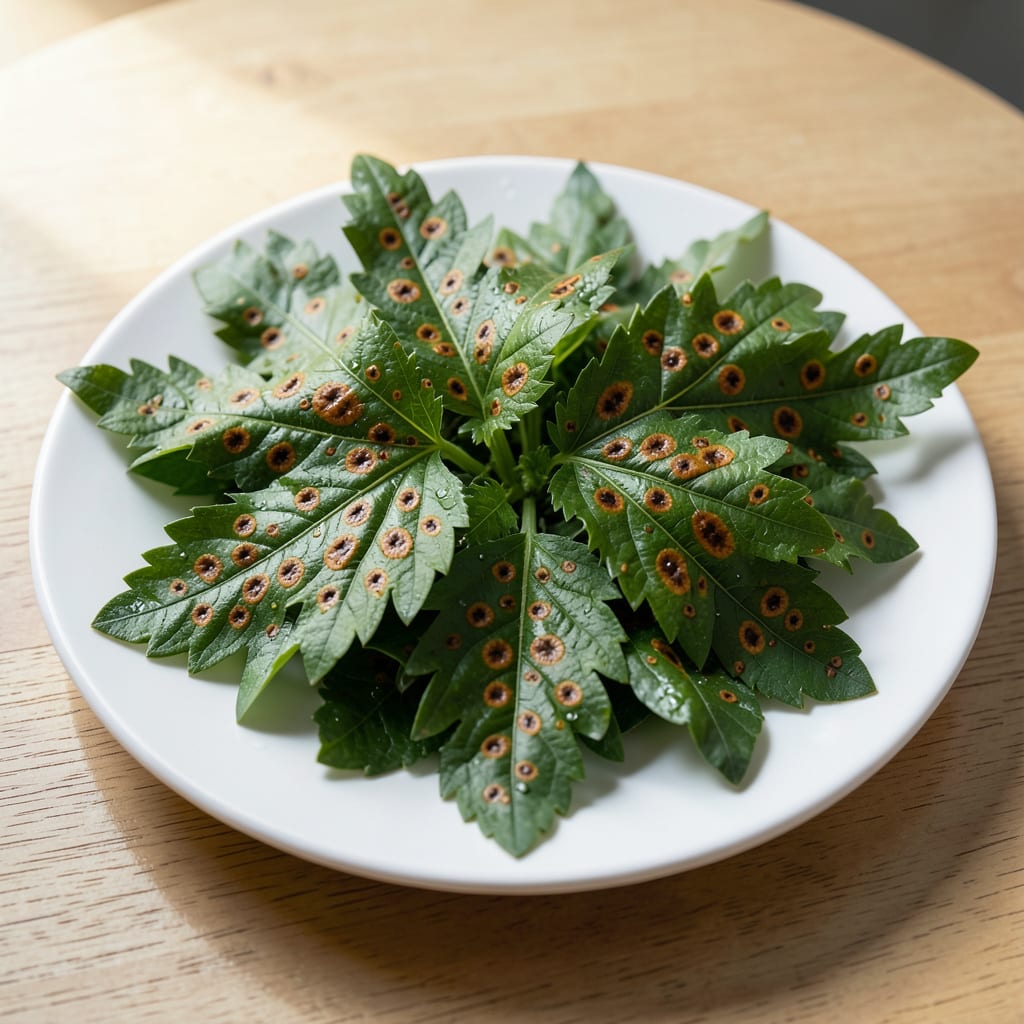
Those brown spots on your marigolds aren’t just ugly—they’re a warning. I’ve seen entire beds go from vibrant to crispy in a week when I ignored the first signs.
Most cases come down to 3 usual suspects: fungal infections from wet leaves, sap-sucking pests, or heat stress from inconsistent watering. The good news? All three are fixable with early action.
Organic solutions work fast when you catch it early. A baking soda spray stops fungus, neem oil handles pests, and mulch keeps roots cool. No chemicals needed.
Your marigolds can bounce back in 7-10 days with the right approach. Here’s how to diagnose and treat before it spreads.
Spots on marigold leaves often stem from environmental stress, pathogens, or pests. Below are the most common causes, explained with actionable insights.
Fungi like Alternaria or Cercospora thrive in wet, humid conditions, creating dark or yellowish spots with halos. Overwatering or poor air circulation accelerates their spread. Prevent this by watering at the base (not overhead) and spacing plants for airflow.
Pseudomonas or Xanthomonas bacteria cause water-soaked, irregular spots that turn brown or black. These pathogens enter through wounds or splashing water. Act fast: Remove infected leaves and avoid working with wet plants to limit contamination.
Spider mites, aphids, or thrips pierce leaf tissues, leaving stippled or discolored spots. Check leaf undersides for tiny pests or webbing. Combat them with insecticidal soap or neem oil, focusing on early infestations.
Sun scorch or nutrient deficiencies (e.g., magnesium) can create dry, brown spots. Ensure marigolds get 6+ hours of sunlight but shield them from intense afternoon heat. Test soil pH (ideal: 6.0–7.0) and amend if needed.
Dealing with spots on your marigolds? Here’s how to tackle each common cause with simple, organic fixes—and keep them from coming back.
Fix: Remove infected leaves immediately to stop the spread. Spray the plant with a baking soda solution (1 tsp baking soda + 1 quart water + a few drops of dish soap) or neem oil (mix as directed). Repeat every 5–7 days until spots fade.
Prevention: Water at the base in the morning so leaves dry quickly. Space plants for airflow, and avoid overhead sprinkling. 💡 Pro tip: Mulch with straw to reduce soil splash.
Fix: Blast aphids or spider mites off with water, then apply insecticidal soap or introduce ladybugs. For slugs/snails, set up beer traps or diatomaceous earth barriers.
Prevention: Inspect leaves weekly (check undersides!). Encourage beneficial insects with companion plants like basil or dill.
Fix: Move potted marigolds to shade during peak heat. For sunburned leaves, trim damaged areas—the plant will regrow. If waterlogged, improve drainage by amending soil with compost.
Prevention: Plant in well-draining soil and provide afternoon shade in hot climates. ✨ Pro tip: Use a moisture meter to avoid over/under-watering.
Fix: Yellow spots with green veins? Work compost or balanced organic fertilizer (10-10-10) into the soil. For magnesium deficiency (interveinal yellowing), spray with Epsom salt solution (1 tbsp per gallon of water).
Prevention: Test soil annually and amend as needed. Feed marigolds lightly every 4–6 weeks during growing season.
Fungal spots often have defined edges or halos and appear in humid conditions. Pest damage looks like tiny dots or stippling, often on leaf undersides.
Yes, removing spotted leaves prevents spread for fungal or bacterial issues. Use clean shears and dispose of leaves away from the garden.
Wet foliage promotes fungal growth. Water at the base in the morning so leaves dry quickly. Keep soil moist but not soggy.
With proper treatment, new growth should appear spot-free within 7-10 days. Severe cases may take 2-3 weeks to fully bounce back.
