
Beautiful Plants For Your Interior
Beautiful Plants For Your Interior
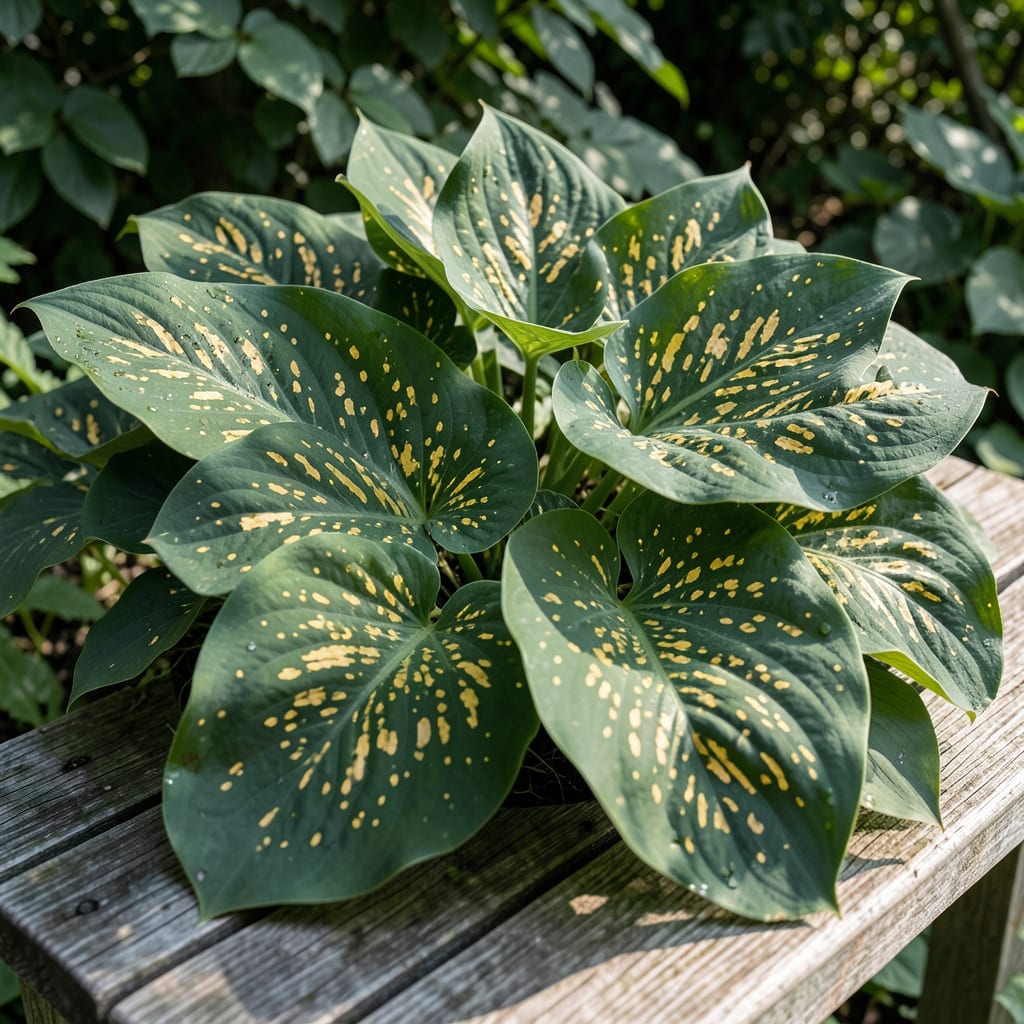
Those brown splotches on your hosta leaves aren’t just ugly—they’re a warning sign. 🌿 I’ve seen entire clumps go from lush to crispy in two weeks when these spots spread unchecked.
Most times it’s fungus, but overwatering, poor air flow, or even slug damage can mimic the same look. The key is catching it early—before it jumps to neighboring plants.
Organic fixes work surprisingly well here. A simple baking soda spray or copper fungicide can stop the spread in its tracks. Prevention is even easier with proper spacing and morning watering.
Your hostas can bounce back with vibrant green leaves by next season. Here’s exactly how to diagnose and treat the issue.
Spots on hosta leaves can stem from several biological and environmental factors. Understanding the root cause is key to effective treatment and prevention.
The most common culprit is foliar fungi, such as Anthracnose or Leaf Spot. These thrive in warm, wet conditions, spreading via spores that infect leaf tissue. Poor air circulation and overhead watering exacerbate the problem.
Bacteria like Pseudomonas or Xanthomonas cause water-soaked, yellow halos around spots. They enter through wounds or splashing water, multiplying rapidly in humid environments.
Insects such as slugs, snails, or beetles chew leaves, creating entry points for pathogens. Their feeding also weakens the plant, making it more susceptible to disease.
Overwatering, nutrient deficiencies (e.g., calcium or potassium), or extreme temperature swings stress hostas. Stressed plants are less resistant to infections and pests.
Identifying the cause early helps tailor your defense strategy effectively.
Spots on hosta leaves are often a sign of fungal infections or environmental stress, but the good news is that most issues can be resolved with targeted care. Below are practical solutions for common causes, along with prevention tips to keep your hostas thriving.
Fix: Remove and destroy affected leaves to prevent the fungus from spreading. Apply a copper-based fungicide or neem oil every 7–10 days until the issue clears. For organic gardens, a baking soda solution (1 tsp baking soda + 1 quart water + a drop of dish soap) can help.
Prevention: 💡 Improve air circulation by spacing plants properly. Water at the base of the plant (not overhead) to keep leaves dry. Clean up fallen debris in the garden bed to reduce fungal spores.
Fix: Handpick pests like slugs and snails in the early morning or evening when they’re most active. Use beer traps or iron phosphate baits for a pet-safe solution. For beetles, shake them off into soapy water.
Prevention: ✨ Spread a layer of diatomaceous earth or crushed eggshells around the base of plants. Encourage natural predators like birds and ground beetles by maintaining a diverse garden ecosystem.
Fix: Move hostas to a shadier spot if they’re exposed to harsh afternoon sun. Trim damaged leaves to redirect energy to healthy growth. Mulch around the base to retain moisture and cool the soil.
Prevention: 🎯 Plant hostas in locations with dappled or morning sunlight. Ensure consistent watering, especially during heatwaves, and use shade cloth if needed.
Fix: Reduce watering frequency and ensure the soil drains well. If the plant is in a pot, repot it into a container with drainage holes. For in-ground plants, amend heavy clay soil with compost to improve drainage.
Prevention: 🌡️ Water only when the top inch of soil feels dry. Avoid soggy conditions, as hostas prefer moist but not waterlogged soil.
Fungal spots usually have defined edges and may appear brown, black, or yellow. They often spread quickly in wet weather. Check for a powdery or slimy texture on the leaves.
Yes, removing affected leaves prevents the spread of disease. Use clean scissors and dispose of the leaves in the trash, not compost. This is especially effective for fungal issues.
Too much water creates ideal conditions for fungal growth. Ensure your hostas have well-draining soil and avoid watering the leaves directly.
A baking soda solution or neem oil spray can treat mild fungal issues. Apply every 7-10 days until the problem resolves. Always test on a small area first.
