
Beautiful Plants For Your Interior
Beautiful Plants For Your Interior
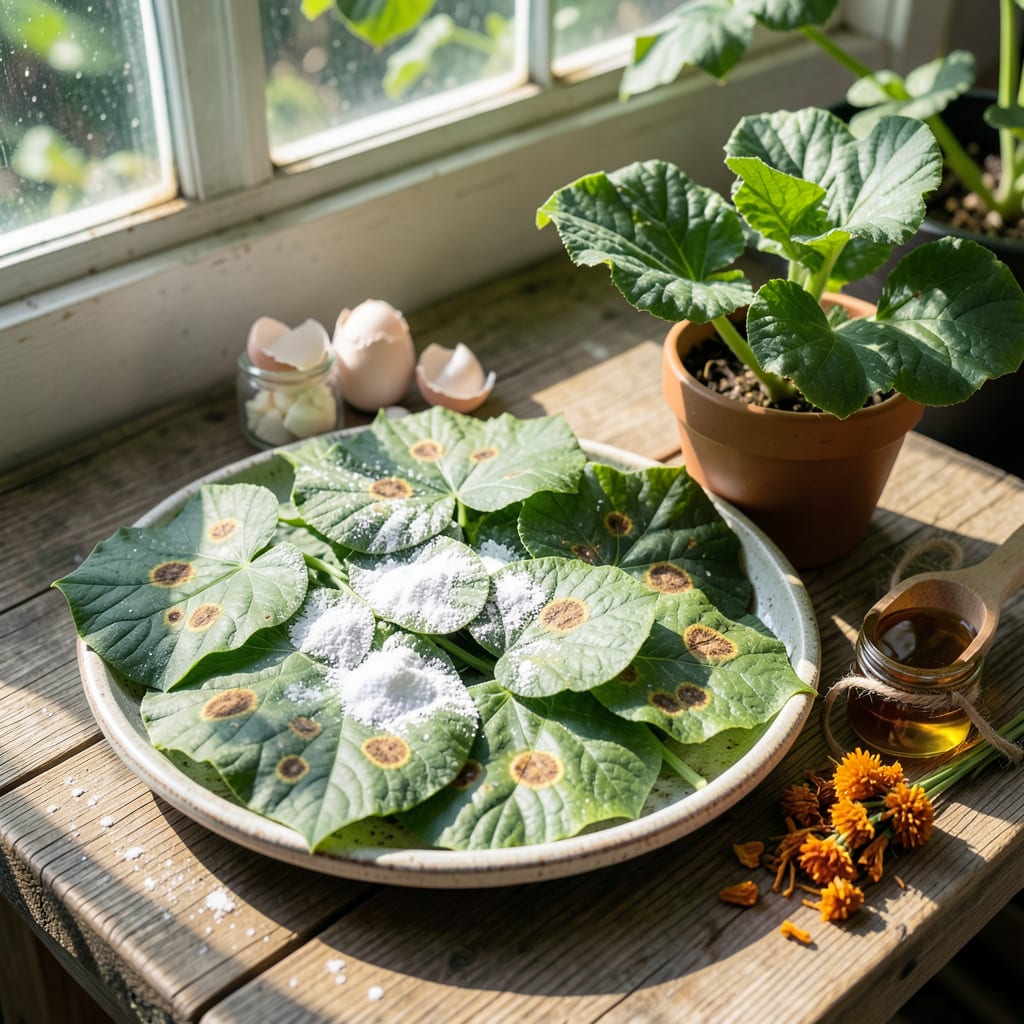
Those brown spots on your cucumber leaves aren’t just ugly—they’re stealing your harvest. I’ve lost entire vines overnight to this, so I know the panic when you first notice the damage.
Organic solutions work fast if you catch it early. The key is identifying whether you’re dealing with fungus, bacteria, or pests, then hitting it with the right treatment. Most cases clear up within 7-10 days with consistent care.
You’ll see new growth coming in clean and vibrant once the treatment takes hold. The plants bounce back stronger, and your cucumbers keep sizing up without interruption.
Works for both garden beds and containers. Here’s exactly how to diagnose and fix it.
Understanding the root cause of spots on cucumber leaves is key to effective treatment. Here are the most common culprits:
Fungi like Alternaria or Cercospora thrive in warm, humid conditions, leading to circular brown or black spots. These pathogens spread via spores, often splashing from soil to leaves during watering. Overhead irrigation and poor air circulation worsen the issue.
Caused by Pseudomonas syringae or Xanthomonas campestris, bacterial infections create water-soaked, angular spots that turn yellow or brown. They enter through wounds or stomata, especially in wet foliage. High humidity and crowded plantings accelerate their spread.
Insects like spider mites or aphids pierce leaf tissues, creating entry points for secondary infections. Their feeding also causes stippling or yellowing, which can mimic disease spots. Check leaf undersides for webbing or tiny pests.
Magnesium or potassium shortages may cause interveinal chlorosis (yellowing between veins) or necrotic spots. Poor soil health or imbalanced fertilization often triggers these issues. A soil test can confirm deficiencies.
Excessive sun, drought, or chemical burn from herbicides can create dark or dead patches. Overwatering, meanwhile, suffocates roots and promotes fungal growth. Consistent moisture and shade cloth can mitigate stress.
Tackling spots on cucumber leaves starts with identifying the cause and applying the right fix. Below are targeted solutions for common culprits, paired with prevention tips to keep your plants thriving.
Fix: Remove infected leaves immediately to prevent spread. Spray the plant with a baking soda solution (1 tsp baking soda + 1 quart water + a few drops of dish soap) or neem oil (1 tbsp neem oil + 1 gallon water + 1 tsp dish soap) every 5–7 days. For severe cases, use a copper-based fungicide.
Prevention: Improve airflow by spacing plants 18–24 inches apart. Water at the base in the morning to allow leaves to dry quickly. 💡 Avoid overhead watering!
Fix: Blast pests off with a strong stream of water. Apply insecticidal soap or a garlic-chili spray (blend 2 garlic cloves + 1 chili pepper + 1 quart water, strain, and spray). For stubborn infestations, introduce beneficial insects like ladybugs or lacewings.
Prevention: Inspect leaves weekly for early signs of pests. Encourage biodiversity in your garden to attract natural predators. ✨ Companion plant with marigolds to repel pests!
Fix: Prune infected leaves and destroy them (do not compost). Apply a copper-based bactericide or a hydrogen peroxide spray (1 tbsp 3% hydrogen peroxide + 1 gallon water) to disinfect the plant.
Prevention: Rotate crops yearly to avoid soil-borne bacteria. Sterilize gardening tools with rubbing alcohol. 🌡️ Avoid working with wet plants to limit bacterial spread.
Fix: Adjust watering to 1–1.5 inches per week, ensuring the soil is moist but not soggy. For nutrient deficiencies, apply a balanced fertilizer (10-10-10) or compost tea. Yellow spots may indicate nitrogen deficiency—add a nitrogen-rich amendment like blood meal.
Prevention: Use well-draining soil and mulch to retain moisture. Test soil pH (aim for 6.0–6.8) and amend as needed. 🎯 Consistent care prevents stress-related spots!
You should see improvement within 3-5 days for most organic treatments. Consistent application is key—neem oil or baking soda sprays need reapplication every 5-7 days for full effectiveness.
Yes, as long as the cucumbers themselves show no spots or rot. Wash them thoroughly before eating. Remove any visibly damaged fruit to prevent spread to healthy ones.
Apply sprays in the early morning or late afternoon to avoid leaf burn. Avoid midday sun when temperatures exceed 85°F—this can cause the solution to evaporate too quickly.
Most solutions like neem oil or baking soda sprays are safe for many garden plants. Always test a small area first, especially on delicate plants like tomatoes or peppers.
