
Beautiful Plants For Your Interior
Beautiful Plants For Your Interior
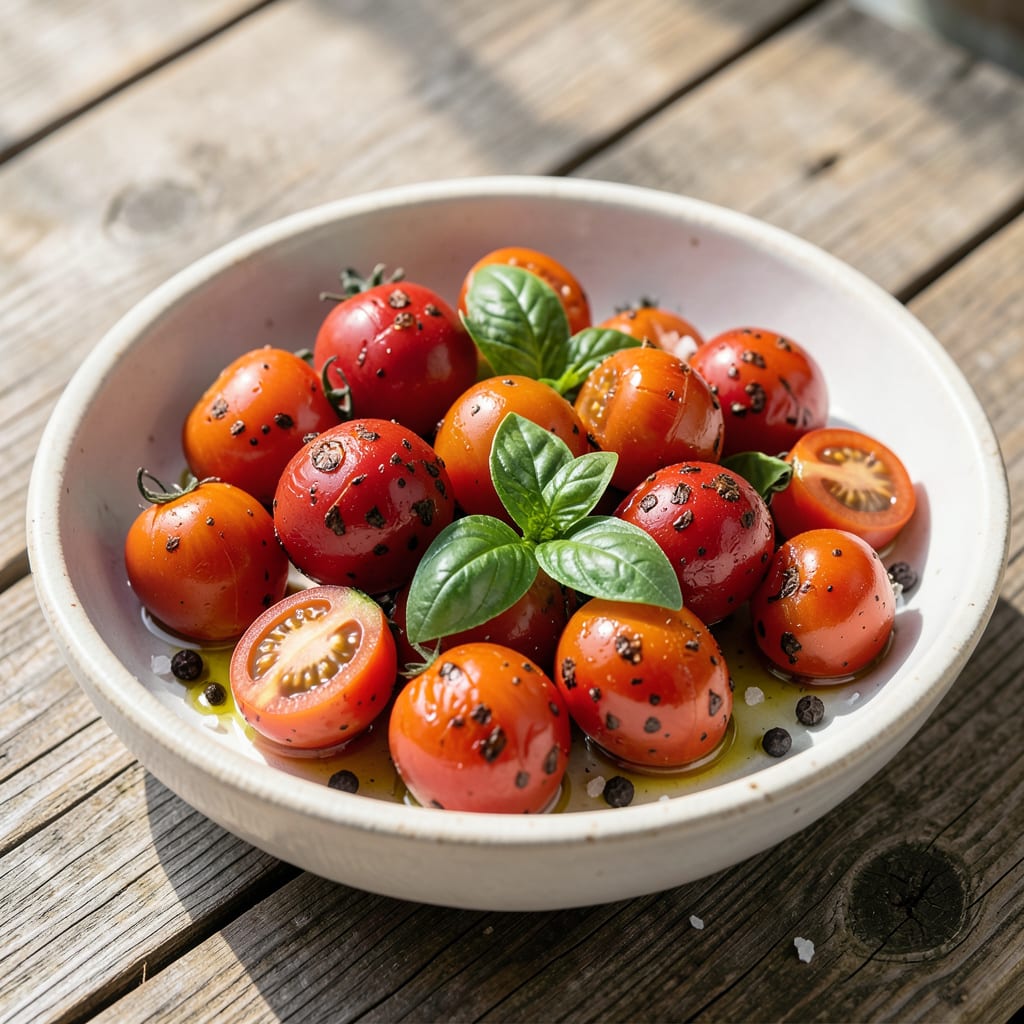
Those dark spots on your cherry tomatoes aren’t just ugly—they’re a warning sign. I’ve dealt with my share of spotted fruit, and catching the problem early makes all the difference between saving your crop and losing it.
Most spots come from fungal diseases, pests, or simple environmental stress. The good news? You can usually fix it without harsh chemicals. Proper air circulation, consistent watering, and a little vigilance often stop the spread in its tracks.
Natural solutions like copper sprays, neem oil, or even baking soda mixtures work wonders when applied at the first sign of trouble. The key is acting fast before the spots multiply and ruin your harvest.
Works for organic and conventional gardeners alike. Let’s tackle this before it spreads.
Spots on cherry tomatoes often stem from environmental stress, pests, or diseases. Here’s a breakdown of the most common causes and their underlying mechanisms:
Fungi like Alternaria solani (early blight) or Septoria lycopersici thrive in damp, warm conditions. They produce spores that land on leaves or fruit, germinating and forming dark, concentric spots. Poor air circulation and overhead watering accelerate their spread.
Bacteria such as Pseudomonas syringae (bacterial speck) or Xanthomonas vesicatoria (bacterial spot) enter through wounds or stomata. They multiply rapidly in wet conditions, creating water-soaked or yellow-haloed spots. Copper-based sprays can suppress but not eliminate them.
Insects like aphids or whiteflies pierce plant tissues, leaving entry points for pathogens. Their feeding also causes stippling or discoloration. Regularly inspect undersides of leaves and use insecticidal soap for control.
Extreme heat, cold, or inconsistent watering can trigger physiological spots. For example, blossom end rot (not a disease) appears as sunken, dark spots due to calcium deficiency, often worsened by drought stress. Mulching and even watering help prevent this.
Lack of potassium or magnesium may cause yellow or necrotic spots on leaves and fruit. A soil test can confirm deficiencies; amend with organic fertilizers like compost or wood ash for potassium.
Tackling spots on your cherry tomatoes starts with identifying the cause and applying the right fix. Here’s how to address common issues and keep your plants thriving:
Fungal spots, like early blight or septoria leaf spot, thrive in damp conditions. Prune dense foliage to boost airflow, and water at the base to keep leaves dry. Apply a copper-based fungicide or neem oil weekly until the problem clears. Prevention tip: Space plants 2–3 feet apart and rotate crops yearly to avoid recurrence. 💡
Spots from pests like aphids or spider mites often appear as tiny yellow or brown dots. Blast them off with water, or spray with insecticidal soap. Introduce ladybugs or lacewings for long-term control. Prevention tip: Inspect plants regularly and remove debris where pests hide. ✨
Yellow or purple spots may signal a lack of magnesium or potassium. Test your soil and amend with compost or a balanced fertilizer. For quick fixes, use a foliar spray like Epsom salt (1 tbsp per gallon of water) for magnesium. Prevention tip: Feed plants with organic matter before planting. 🎯
White or blistered spots on fruit often mean sunscald. Shield plants with 30–50% shade cloth during peak sun hours. Prevention tip: Ensure consistent watering to reduce stress. 🌡️
Act fast at the first sign of trouble, and your cherry tomatoes will bounce back with vibrant, spot-free growth!
Dark spots often indicate fungal diseases like early blight. Improve airflow, avoid overhead watering, and apply copper fungicide to stop the spread.
If the spots are only on the skin, the fruit is usually safe to eat. Cut away any damaged areas. Avoid eating if mold or soft rot is present.
Rotate crops, remove plant debris, and use mulch to prevent soil splash. Plant disease-resistant varieties for extra protection.
Neem oil helps with fungal and pest-related spots. Apply weekly at first signs. For bacterial issues, copper sprays are more effective.
