
Beautiful Plants For Your Interior
Beautiful Plants For Your Interior
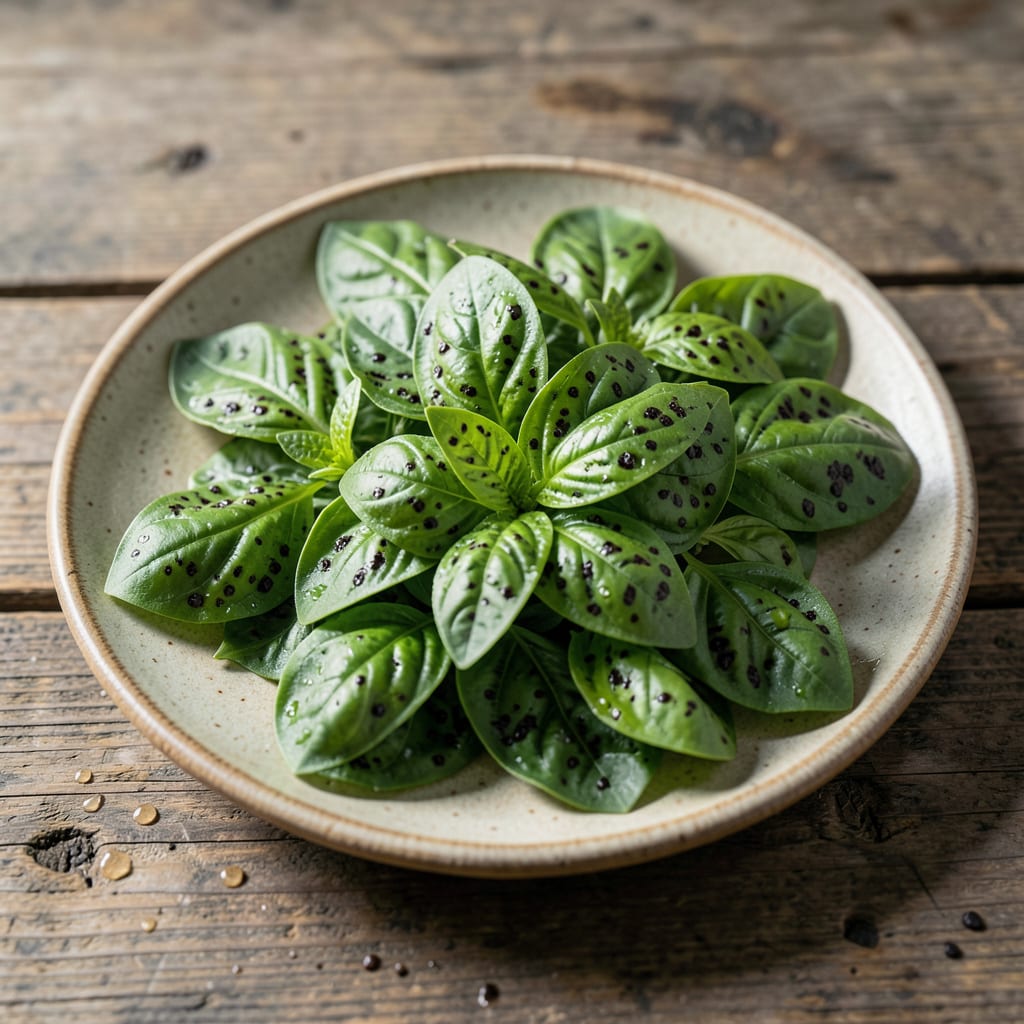
Those dark dots on your basil aren’t just ugly—they’re a distress signal. I’ve seen every kind from yellow halos to black speckles, and each tells a different story about what’s stressing your plants.
Most cases trace back to 3 common culprits: fungal invaders, thirsty roots, or uninvited bugs. The good news? Your basil can bounce back fast with the right fix once you know which problem you’re facing.
I’ve rescued dozens of spotted plants with simple changes to watering, airflow, or natural sprays. The leaves clear up within 7-10 days when you address the root cause.
This guide helps you match the spots to the solution, no guesswork needed. Let’s get those leaves vibrant green again.
Spots on basil leaves rarely appear without a reason. Below are the most frequent triggers, explained in plain terms so you can act fast.
Downy mildew and leaf spot fungi thrive in damp, poorly ventilated conditions. These pathogens produce spores that germinate on wet foliage, leading to yellow, brown, or black spots. High humidity (above 85%) and temperatures between 60–75°F (15–24°C) accelerate their spread.
Aphids, spider mites, and thrips pierce leaf cells to feed, creating tiny wounds that later develop into discolored spots. Their honeydew residue also promotes sooty mold, which appears as dark, dusty patches. Check leaf undersides for webbing or clusters of pests.
Overwatering or poor drainage causes root rot, which restricts nutrient uptake and manifests as yellow or brown leaf spots. Conversely, underwatering or sudden temperature swings (below 50°F/10°C) can stress basil, leading to purplish or necrotic spotting.
A lack of magnesium (interveinal chlorosis) or calcium (tip burn) often results in irregular spotting. Basil in acidic soil (pH below 6.0) may struggle to absorb these nutrients, even if they’re present.
Here’s how to tackle each common cause of leaf spotting on basil, with organic fixes and prevention tips to keep your plants thriving.
Fix: Remove infected leaves immediately and avoid overhead watering. Spray affected plants with a baking soda solution (1 tsp baking soda + 1 quart water + a few drops of dish soap) every 5–7 days. For severe cases, use copper fungicide (organic-approved).
Prevent: Improve airflow by spacing plants 12–18 inches apart. Water at the base in the morning so leaves dry quickly. 💡 Pro tip: Rotate basil with non-host plants to break fungal cycles.
Fix: Blast pests off with a strong stream of water. Apply neem oil or insecticidal soap (1 tbsp per quart of water) every 3–4 days until gone. For thrips, use yellow sticky traps to monitor and reduce populations.
Prevent: Inspect new plants before bringing them near your basil. Encourage beneficial insects like ladybugs with companion plants (e.g., marigolds).
Fix: Move potted basil to partial shade if leaves show crispy, brown spots. For underwatered plants, soak the soil deeply and mulch to retain moisture. Overwatered basil? Let the soil dry slightly between waterings.
Prevent: Basil loves 6–8 hours of sunlight but wilts in intense afternoon heat. Use shade cloth in peak summer. 💡 Pro tip: Stick your finger 1 inch into the soil—if it’s dry, it’s time to water.
Fix: For yellow spots with green veins (magnesium deficiency), dissolve 1 tbsp Epsom salt in a gallon of water and spray foliage weekly. For distorted new growth (calcium lack), add crushed eggshells to the soil or use a calcium-rich fertilizer.
Prevent: Mix compost into the soil before planting. Feed basil with a balanced organic fertilizer every 4–6 weeks.
No, the spots themselves aren’t harmful but may taste bitter. Remove affected leaves to be safe. If caused by pests, wash remaining leaves thoroughly before use.
Water at the base in the morning so leaves dry quickly. Space plants 12-18 inches apart for airflow and avoid overhead watering.
For fungal issues, spray a baking soda solution every 5-7 days. For pests, use neem oil every 3-4 days until they’re gone.
