
Beautiful Plants For Your Interior
Beautiful Plants For Your Interior
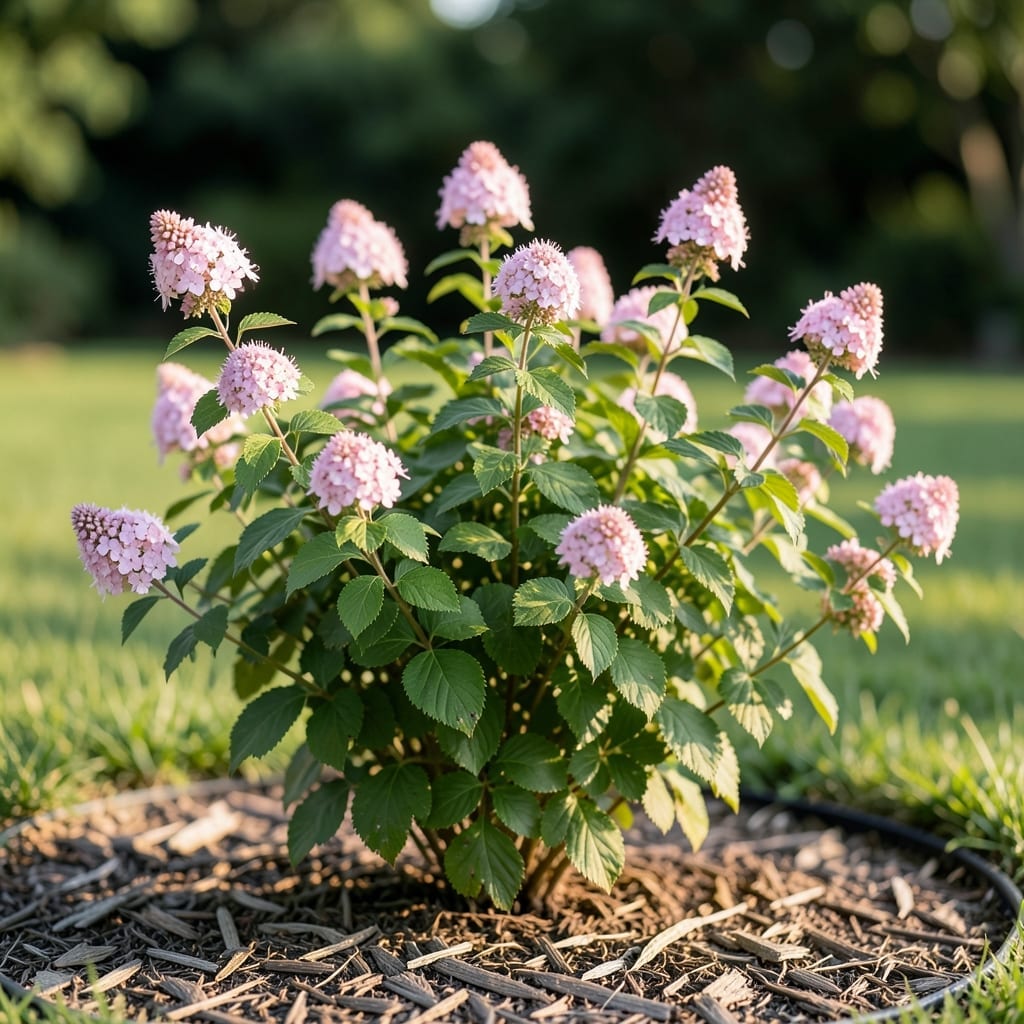
Spirea shrubs are a gardener’s dream for full-sun landscapes, offering vibrant blooms and low-maintenance charm. But not all varieties thrive equally under intense sunlight.
I’ve found that proper care makes all the difference in helping these easy-to-grow plants reach their full potential. The 🌸 Spirea can transform your garden with its colorful clusters.
Whether you’re planting in zones 4-9 or just want more efficient growth, understanding light needs is key. Let’s explore how to make the most of these sunny spots.
Discover the secrets to healthy, flourishing Spirea that will be the envy of your neighborhood.

When I think of full-sun shrubs, spirea always tops my list. These tough plants love 6+ hours of direct sunlight and reward gardeners with vibrant blooms and lush foliage. Not all spirea varieties perform equally well in bright conditions though.
I’ve found that Goldmound Spirea thrives in intense sunlight, with its golden-yellow leaves and pink summer flowers. It’s a standout choice for adding color contrast to sunny borders and works well in USDA zones 4-9.
Anthony Waterer Spirea is another favorite of mine for full-sun gardens. Its deep pink-red blooms create a stunning display from late spring to summer. This variety is particularly drought-tolerant once established.
For smaller spaces, I recommend Little Princess Spirea. This compact shrub stays under 2 feet tall but packs a punch with its abundant pink flowers. It’s perfect for container gardening or front borders.
If you prefer white blooms, Snowmound Spirea is an excellent choice. Its arching branches covered in frothy white flowers look beautiful in cottage gardens or as a low hedge.
I’ve noticed that spirea in full sun tends to produce more abundant blooms than those in partial shade. However, it’s important to ensure they have well-draining soil to prevent root rot from excessive moisture.
When planting spirea in full-sun locations, I always add a 2-3 inch layer of mulch to help retain moisture and keep roots cool. This simple step can make a big difference in your plant’s health during hot summer months.
Remember that while spirea loves sun, newly planted shrubs need extra attention. I water mine deeply twice a week for the first month to help establish strong root systems. Once established, they’re quite low-maintenance.
For the best results, I plant my spirea in spring or fall. This gives them time to establish before summer heat or winter cold sets in. With proper care, these shrubs can thrive in full sun for many years ☀️
Growing spirea in full sun requires a bit of strategy to keep these shrubs thriving. I’ve found that 6+ hours of direct sunlight brings out the most vibrant blooms, but they’ll need consistent care to handle the heat.
Start by ensuring your planting location has well-draining soil to prevent root rot. Spirea shrubs dislike soggy feet, especially in hot climates. A morning watering routine helps them absorb moisture before the midday sun hits.☀️
One common mistake I see is over-fertilizing spirea in full sun. These plants are low-maintenance and often thrive with just one light feeding per season. Too much fertilizer can lead to weak growth and fewer flowers.
For drought-prone areas, consider drought-tolerant varieties like ‘Goldmound’ or ‘Anthony Waterer’. They handle intense sunlight better than others and require less supplemental water once established.
If you notice brown leaf edges, it might be leaf scorch from too much sun or underwatering. Adjust your watering schedule and add a shade cloth during peak afternoon hours if needed.🌿
Finally, regular pruning keeps spirea looking its best in full sun. I trim mine right after blooming to shape the plant and remove any dead or damaged branches. This encourages healthy new growth for next season.✂️