
Beautiful Plants For Your Interior
Beautiful Plants For Your Interior
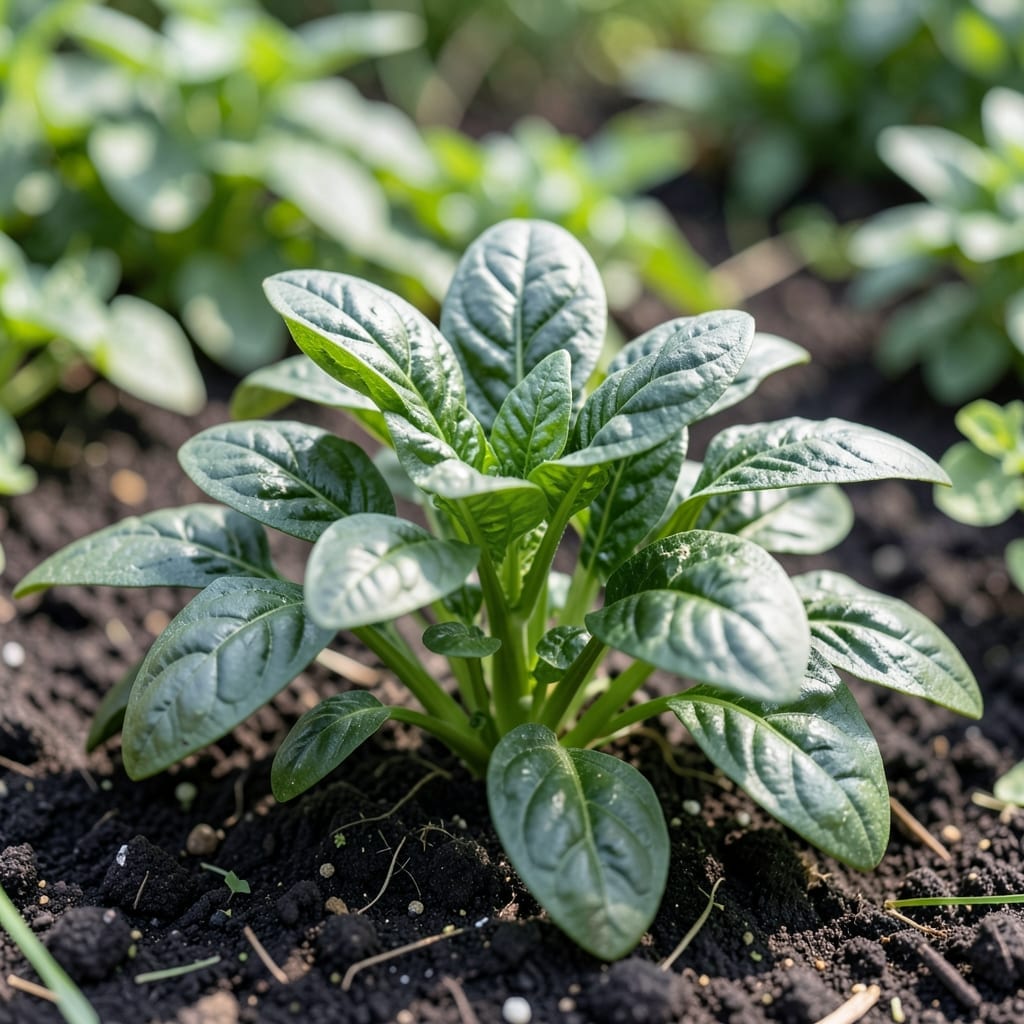
Growing healthy, leafy 🌱 Spinach starts with understanding its sunlight needs—get it wrong, and you’ll end up with leggy, bitter greens.
Mastering these conditions is the key to a bountiful harvest of tender, fast-growing leaves. Whether you’re planting in spring or early fall, light plays a crucial role in how your Spinach develops.
Too much sun can cause bolting, while too little leads to weak, stunted growth. I’ll show you exactly how to strike the perfect balance for optimal results in your garden.
Discover the simple adjustments that make all the difference in your Spinach patch. Let’s get started on the path to your best harvest yet.

I’ve found that spinach thrives with 6-8 hours of direct sunlight daily. This leafy green is a cool-season crop, so it prefers moderate sun exposure rather than intense heat. Too much sun can cause bolting, while too little leads to weak, leggy plants.
In my experience, morning sun is ideal because it’s gentler. The afternoon shade helps prevent heat stress, especially in warmer climates. Spinach grown in partial shade may take longer to mature but often produces tender, sweeter leaves.
| Requirement | Specification |
|---|---|
| Ideal Sunlight | 6-8 hours daily |
| Light Type | Direct to partial |
| Best Time | Morning sun |
| Shade Tolerance | Moderate |
| Heat Sensitivity | High |
I always recommend planting spinach in early spring or late summer for the best results. During these seasons, the sun is less intense, and temperatures are cooler, which spinach loves. In hotter months, I use shade cloth to protect my plants from scorching.
If you’re growing spinach in containers, place them where they can get eastern or northern exposure. This ensures they receive gentle sunlight without the harsh afternoon rays. I’ve noticed that container-grown spinach often needs a bit more attention to soil moisture as well.
For those in warmer zones, consider partial shade during the hottest part of the day. Spinach can handle 4-6 hours of sun in these conditions, but I’ve found that dappled shade from trees or taller plants works wonders for keeping the soil cool.
In my garden, I’ve experimented with companion planting to manage sunlight. Tall crops like corn or beans can provide natural shade for spinach as the day progresses. Just be sure not to crowd the spinach, as it still needs good air circulation.
Remember, consistent sunlight is key for even growth. If your spinach is getting uneven light, it may grow lopsided. I rotate my containers regularly to ensure all sides receive equal exposure.
If your spinach starts to bolt, it’s often a sign of too much heat or inconsistent watering. I’ve learned to harvest leaves early in the season to enjoy the most tender greens before the plant focuses on flowering.
Finally, don’t forget that spinach is fast-growing. With the right sunlight and care, you can expect to harvest leaves in as little as 4-6 weeks. I love how rewarding it is to see those first tender leaves ready for picking.
By paying close attention to sun exposure and adjusting as needed, you’ll be well on your way to a thriving spinach crop with maximum yield and minimal stress for your plants. ☀️
Spinach thrives with 6-8 hours of daily sunlight, but climate plays a huge role in how much light your plants can handle. In cooler spring and fall seasons, I give my spinach full sun exposure to maximize growth.
During hot summer months, however, I adjust my approach. Too much direct sun can cause bolting or scorched leaves, so I use shade cloth or plant in partial shade.
In my experience, spinach planted in early spring or late summer does best with full morning sun. This gives the plants time to photosynthesize before the hottest part of the day.
For summer crops, I’ve found that 30-40% shade cloth works wonders. It filters the intense afternoon sun while still allowing enough light for healthy leaf development.
If you’re growing spinach indoors, place containers near a south-facing window or under grow lights for 12-14 hours daily. I rotate my pots weekly to ensure even growth.
Remember, spinach is a cool-season crop. When temperatures rise above 75°F, even with perfect light, the plants may bolt. That’s why I always monitor both light exposure and temperature together.
☀️