
Beautiful Plants For Your Interior
Beautiful Plants For Your Interior
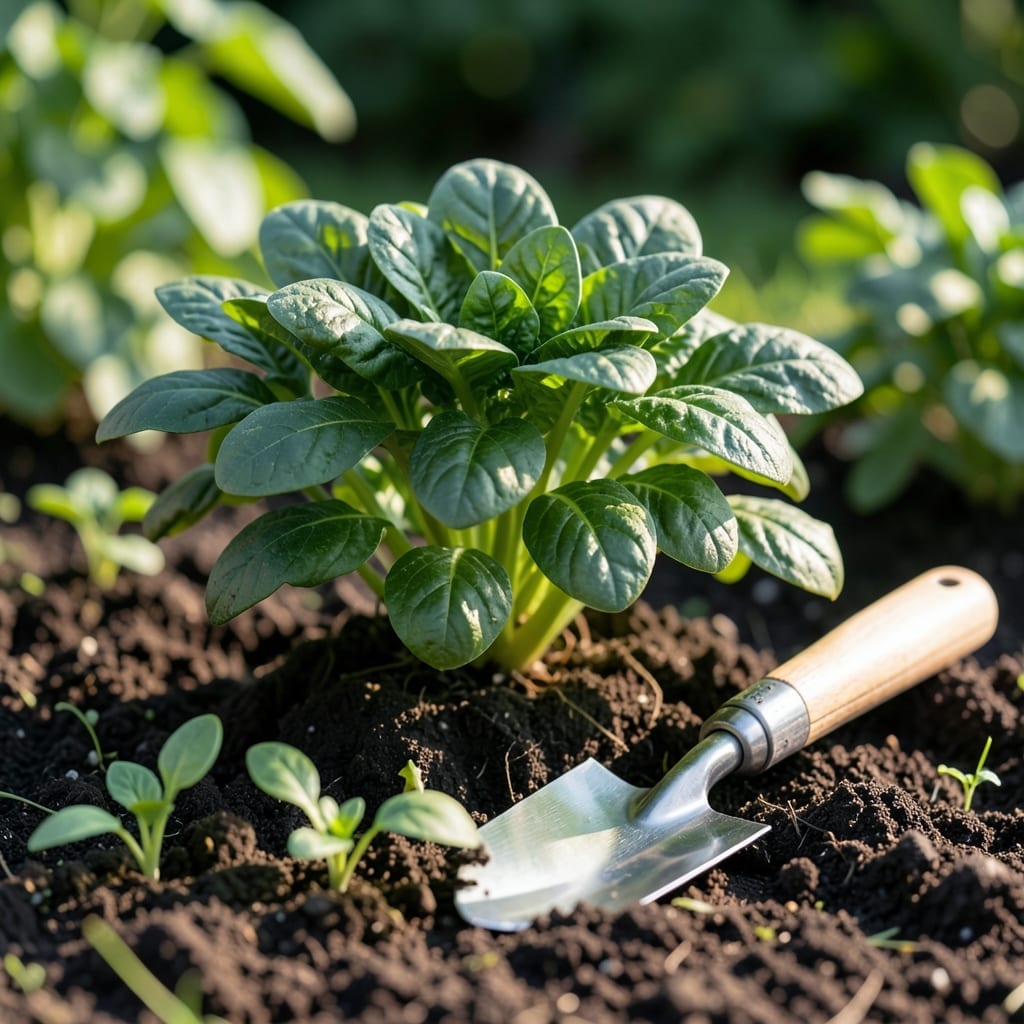
I killed my first spinach crop by planting it too deep. Turns out, these seeds need just 1/2 inch of soil and consistent moisture to sprout properly.
Now I plant in cool weather, space rows 12 inches apart, and thin seedlings to 4 inches for lush leaves. The difference is night and day.
📚 In This Guide
Here’s the method I use to grow spinach that thrives from the first sprout to harvest.
Spinach is a cool-season crop, so I always plant it in early spring or late summer for a fall harvest. The soil temperature should be between 40-60°F for optimal germination. If the soil is too warm, the seeds may struggle to sprout, and the plants can bolt prematurely.
In most regions, this means sowing seeds 4-6 weeks before the last frost date in spring or 6-8 weeks before the first frost in fall. I check the local weather forecast to ensure a stretch of cool days ahead—this crop hates heat.
Spinach prefers loose, well-draining soil rich in organic matter. I work in 2-3 inches of compost or aged manure into the top 6-8 inches of soil to improve fertility and structure. This crop grows best in soil with a pH between 6.5-7.0.
Avoid heavy clay or compacted soil, as it restricts root growth and water drainage. If your soil is dense, consider planting in raised beds or containers. I also rake the surface smooth to create a fine seedbed—spinach seeds are tiny and need good soil contact.
Plant spinach seeds ½ inch deep and 1-2 inches apart in rows spaced 12-18 inches apart. I use a seed dispenser or carefully place seeds by hand to avoid overcrowding. Cover the seeds lightly with soil and press down gently to ensure good contact.
Water the area immediately after planting with a fine mist to avoid displacing the seeds. Keep the soil consistently moist but not waterlogged during germination, which typically takes 7-14 days. If the soil dries out, germination will be uneven, and some seeds may not sprout at all.
Once seedlings are 2-3 inches tall, I thin them to 4-6 inches apart to give each plant enough space to develop a strong root system and large leaves. Overcrowded spinach produces small, weak plants that are more susceptible to disease.
Use small scissors to snip unwanted seedlings at soil level rather than pulling them out, which can disturb the roots of neighboring plants. The thinned seedlings can be eaten as microgreens, so nothing goes to waste. This step is critical for a bountiful harvest.
Spinach needs consistent moisture, so I water it 1-2 times per week, depending on rainfall, ensuring the soil stays evenly damp but not soggy. Mulching with straw or grass clippings helps retain moisture and suppress weeds, which compete with spinach for nutrients.
Begin harvesting outer leaves when the plant is 4-6 inches tall, usually 4-6 weeks after planting. I pick the larger, outer leaves first, allowing the inner leaves to continue growing. Regular harvesting encourages new growth and extends the harvest period.
Small details make the difference between a struggling crop and a thriving harvest.
Temperature Matters: Planting when soil is between 40-60°F is non-negotiable. I’ve learned the hard way that seeds planted in warmer soil either won’t sprout or will bolt to seed before producing those tender leaves we’re after. Use a soil thermometer to check before sowing.
The Seed Depth Secret: At ½ inch deep, spinach seeds get the perfect balance of moisture and warmth for germination. Any deeper and they’ll struggle to emerge; any shallower and they may dry out. Press the soil gently after planting to ensure good contact without compacting.
Thinning Technique: When seedlings reach 2-3 inches tall, thinning to 4-6 inches apart prevents competition for nutrients. Use scissors to snip at soil level rather than pulling—this avoids disturbing the roots of neighboring plants. The thinned seedlings make great microgreens, so nothing goes to waste.
Watering Wisdom: During germination, keep soil consistently moist but not soggy. A fine mist immediately after planting prevents seed displacement, and regular 1-2 weekly waterings maintain even moisture. Mulching with straw helps retain this moisture while suppressing weeds that would compete with your spinach.
Plant spinach in early spring or fall for cool-season growth. Aim for soil temperatures between 45–75°F for optimal germination. Avoid summer heat, as it can cause bolting.
Yes! Use a deep container (8–12 inches) with well-draining soil. Ensure it gets 4–6 hours of sunlight daily. Container spinach is perfect for small spaces or balconies.
Keep soil consistently moist but not soggy. Water 1–2 times weekly, depending on rainfall. Drought stress can lead to bitter leaves or bolting.
Bolting (premature flowering) happens due to heat stress or long daylight hours. Plant in cooler seasons, provide shade, or choose slow-bolting varieties like ‘Bloomsdale Long Standing’.
Pair spinach with strawberries, brassicas (like cabbage), or radishes. Avoid planting near potatoes, as they compete for nutrients. Companions can deter pests and improve growth.