
Beautiful Plants For Your Interior
Beautiful Plants For Your Interior
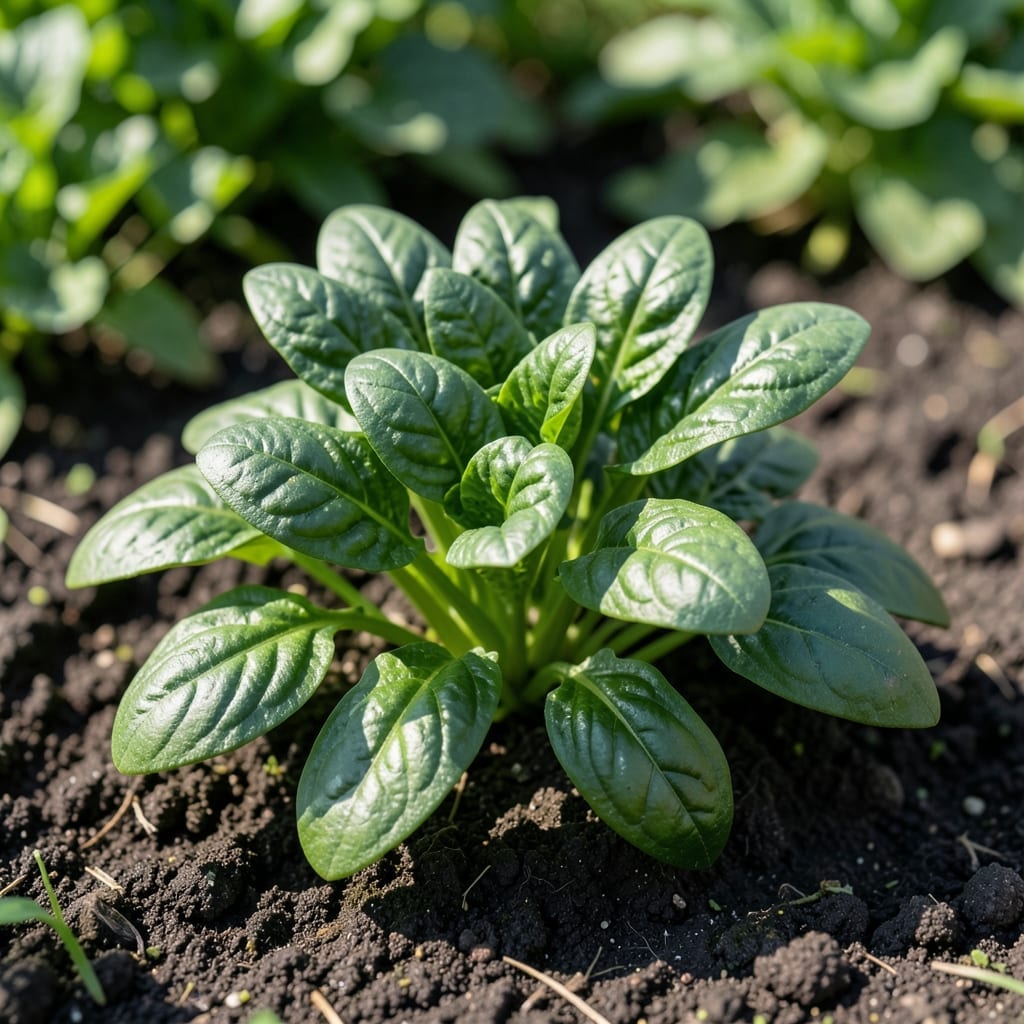
Wondering how long it takes to grow Spinach from seed to harvest? This fast-growing leafy green can be ready in as little as 4 weeks, making it perfect for quick succession planting.
I’ve found that Spinach is one of the most rewarding crops for gardeners who want faster results. Whether you’re planting in spring or fall, understanding the growth timeline helps you plan better.
From germination to maturity, you’ll see changes almost daily. The best part? You can start harvesting young leaves in just a few weeks while waiting for the full plant to develop.
Discover how to optimize your Spinach growth and enjoy fresh greens sooner than you think. Let’s get into the details that make this plant a garden favorite.


I love how spinach grows so quickly compared to other veggies. From my experience, this cool-season crop can go from seed to harvest in just 30 to 60 days, depending on the variety and conditions. 🌱
Most gardeners see germination within 5 to 10 days when soil temps stay between 45°F and 75°F. The baby leaf stage follows quickly, often ready for harvest at just 20 to 25 days. ☀️
| Stage | Days | Key Details |
|---|---|---|
| Germination | 5-10 | Keep soil moist and 60-70°F |
| True Leaves | 14-21 | First real leaves appear |
| Baby Leaf | 20-25 | Ready for early harvest |
| Mature Plant | 40-50 | Full-size leaves for harvest |
| Bolting | 50+ | Avoid by harvesting early |
The vegetative stage is where most growth happens. I’ve noticed plants develop 5-6 true leaves by 3-4 weeks, perfect for continuous harvesting. Keep an eye on leaf size—4-6 inches is ideal for picking. 🌿
For full maturity, most smooth-leaf varieties like Bloomsdale Long Standing reach harvest size in about 45 days. Savoy types with crinkled leaves may take 50-60 days but offer more texture. ✂️
I always recommend succession planting every 2 weeks for a continuous supply. This works well in both spring and fall, as spinach bolts in heat. In my zone 6 garden, I stop planting by late April to avoid summer heat. 🌡️
The final stage is bolting, when plants send up flower stalks. This makes leaves bitter, so I harvest all leaves before this happens. Cool temperatures and consistent moisture help delay bolting. 💧
For container gardening, spinach does well in 6-8 inch deep pots. I’ve grown baby leaf spinach on my balcony in just 30 days using this method. Just ensure good drainage and regular watering. 🪴
Remember, shorter days in early spring or late summer often mean slower growth. I’ve found that using row covers can help maintain optimal temperatures and speed up growth by a few days. ☀️
Finally, soil quality makes a huge difference. I always amend my beds with compost before planting. This gives seedlings the nutrients they need for rapid growth. The investment in soil prep always pays off in bigger, healthier leaves. 🌱
If you’re growing spinach, you’ll want to know what affects its growth speed. I’ve found that several key factors can either accelerate or delay your harvest by weeks.
Temperature plays a huge role—spinach thrives in cool weather between 50-70°F. Heat waves can cause bolting, which stops leaf growth entirely.
I always mulch my spinach beds to maintain even soil temperature. This simple step can prevent heat stress and keep plants growing steadily.
Remember, cool-season crops like spinach grow fastest in spring and fall. Summer plantings often struggle unless you provide afternoon shade.
Finally, regular feeding with a balanced fertilizer every 4 weeks gives plants the nutrients they need for rapid growth 🌱