
Beautiful Plants For Your Interior
Beautiful Plants For Your Interior
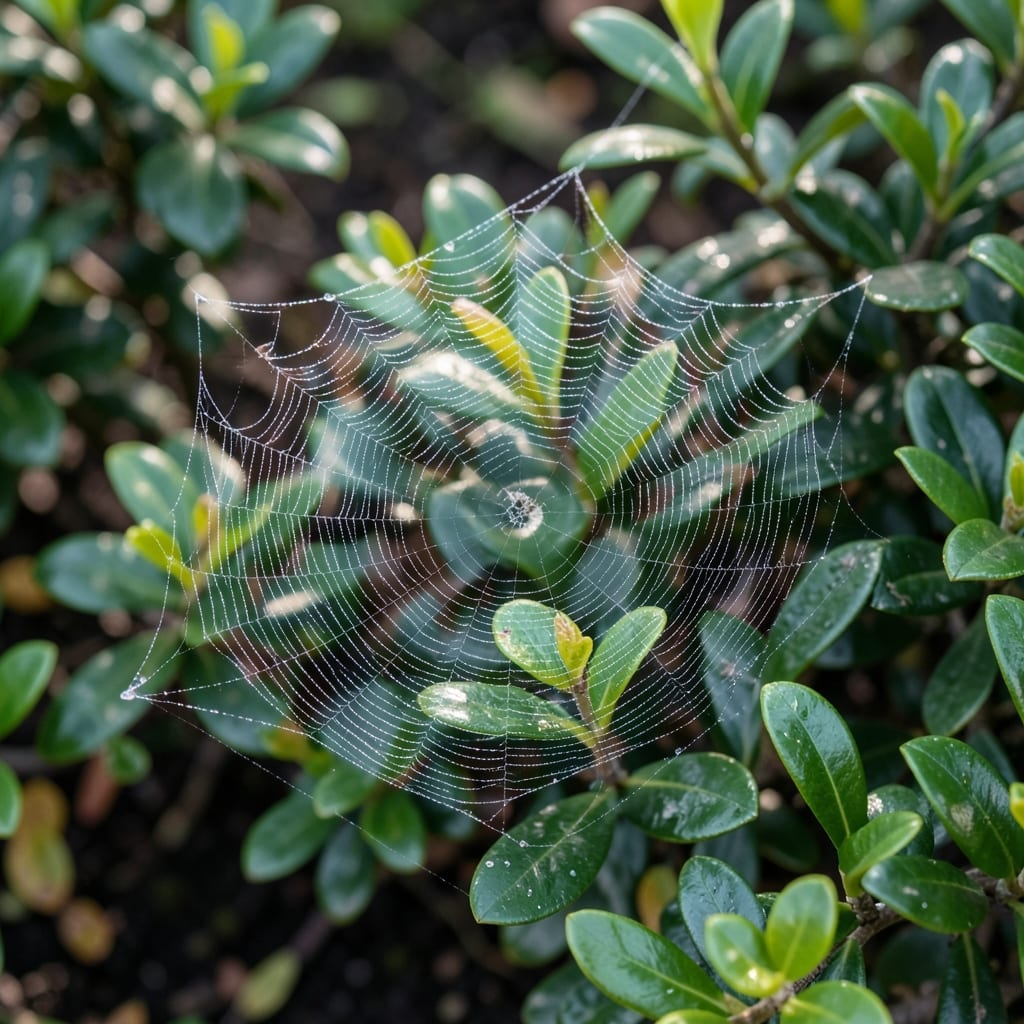
Fine webbing on boxwood leaves means trouble brewing. Spider mites love these plants, spinning their silky nets when conditions turn dry and dusty.
I first spotted this on my own shrubs last summer—tiny webs, yellowing leaves, that telltale stippling. The solution starts with a strong blast of water to knock them off, then keeps going with consistent care.
Your plants will bounce back with healthier foliage in 2-3 weeks if you catch it early. The key is staying ahead of the infestation before it spreads to the whole shrine.
Works for all boxwood varieties and keeps your garden looking sharp year-round.
Spider webs on boxwoods are a common sight, but their presence often raises questions. Understanding why they appear can help you address the issue effectively. Below are the primary causes, explained in clear, scientific terms.
Boxwoods provide an ideal environment for spiders due to their dense, evergreen foliage. This structure offers shelter from predators, protection from harsh weather, and a steady supply of prey, such as aphids, mites, and other small insects. Spiders naturally gravitate toward these shrubs to build webs for hunting and reproduction.
Boxwoods often attract pests like boxwood leafminers, psyllids, or spider mites. These insects serve as a food source for spiders, encouraging them to spin webs in the area. If your boxwoods have an underlying pest infestation, you’ll likely see more webs as spiders capitalize on the abundant prey.
Spiders thrive in humid conditions, and boxwoods—especially those in shaded or poorly ventilated areas—retain moisture well. This creates a perfect microclimate for web-building. Overwatering or dense planting can exacerbate humidity levels, making the shrubs even more appealing to spiders.
When natural predators of spiders (e.g., birds, wasps, or ground beetles) are absent, spider populations can grow unchecked. Reducing chemical pesticides can disrupt this balance further, as it eliminates both pests and their predators, leaving spiders to dominate the ecosystem.
Dealing with spider webs on your boxwoods is manageable with the right approach. Below are targeted solutions for common causes, along with prevention tips to keep your plants healthy and web-free.
If the webs are sparse, start by gently removing them by hand or with a soft brush. Use gloves to protect your hands, and dispose of the webs in a sealed bag to prevent spiders from returning. Follow up with a strong blast of water from a garden hose to dislodge any remaining silk or eggs. This method is eco-friendly and avoids harming beneficial insects.
Prevention tip: 💡 Regularly inspect your boxwoods for early signs of webs, especially in sheltered or shaded areas where spiders thrive.
For larger or recurring webs, prune affected branches to remove webs and spider habitats. Focus on dense, inner foliage where spiders prefer to spin. After pruning, clear away plant debris and leaf litter around the base of the boxwood, as these provide hiding spots for spiders.
Prevention tip: 🌡️ Maintain good airflow around your boxwoods by thinning out dense growth. Spiders are less likely to settle in well-ventilated areas.
If spiders keep returning, use natural deterrents like peppermint or citrus oil. Mix 10-15 drops of essential oil with a quart of water and spray the solution on and around the boxwood. Reapply every 1-2 weeks or after rain. These scents are pleasant to humans but repel spiders effectively.
Prevention tip: ✨ Encourage natural predators like birds and ladybugs by adding birdhouses or planting pollinator-friendly flowers nearby. They’ll help keep spider populations in check.
For stubborn infestations, apply insecticidal soap to the affected areas. This solution breaks down spider webs and deters spiders without harming the plant. Follow the product instructions carefully, and test on a small area first to ensure it doesn’t damage the foliage.
Prevention tip: 🎯 Keep your garden tidy by removing weeds and other debris where spiders might nest. A clean environment reduces the likelihood of reinfestation.
No, the webs themselves don’t damage the plant. The issue is the pests they attract or the spider mites that may be causing them. These can weaken foliage over time if left unchecked.
Early morning or evening is ideal, when spiders are less active. Use a strong water spray first to dislodge webs and pests, then follow up with manual removal if needed.
Peppermint or citrus oil sprays are safe for most plants when used as directed. Always test on a small area first and apply in the evening to avoid leaf burn from sun exposure.