
Beautiful Plants For Your Interior
Beautiful Plants For Your Interior
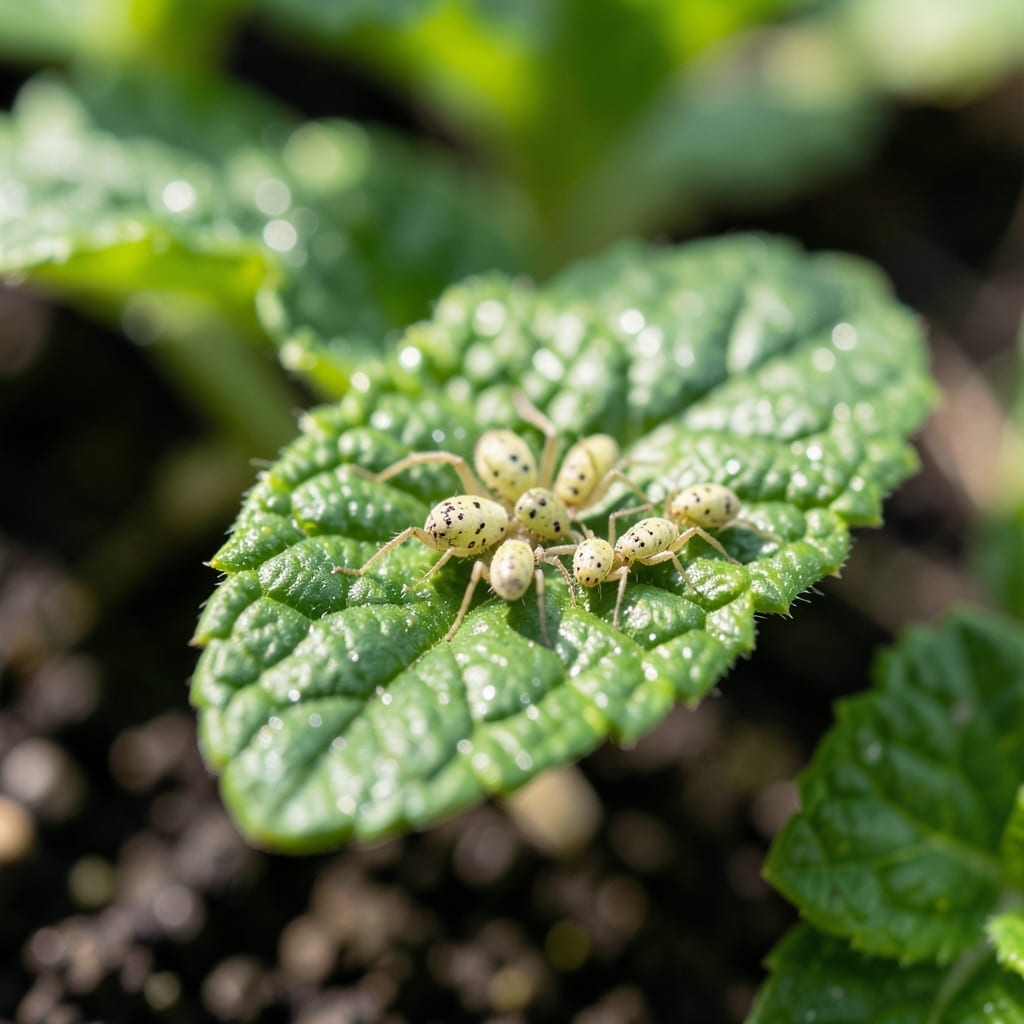
Tiny webs on your mint leaves mean trouble. 🌱 Spider mites love mint’s tender foliage, turning vibrant green into stippled yellow almost overnight.
I first noticed them when my plants looked dusty—then realized those specks were moving. These pests thrive in dry conditions, so consistent moisture and airflow are your first defense.
Organic solutions like neem oil or insecticidal soap work fast without harming beneficial insects. A strong spray from the hose can knock them off immediately.
Regular inspections catch them early. Healthy mint bounces back quickly once the mites are gone, and the fresh scent returns in days.
Spider mites thrive on mint plants due to a combination of environmental and cultural factors. Understanding these triggers can help you prevent outbreaks before they start.
Spider mites love hot, dry environments. When temperatures rise above 80°F (27°C) and humidity drops below 50%, these pests reproduce rapidly. Mint plants, often grown in full sun, can become prime targets if not properly hydrated. Water stress weakens the plant, making it more susceptible to infestation.
Stagnant air creates the perfect breeding ground for spider mites. Overcrowded mint plants or dense foliage restrict airflow, allowing mites to spread unchecked. Prune regularly to improve ventilation and reduce hiding spots for these tiny pests.
Excess nitrogen from over-fertilizing promotes lush, soft growth—exactly what spider mites prefer. High-nitrogen fertilizers can also disrupt the plant’s natural defenses. Use balanced, organic fertilizers and avoid overfeeding to keep your mint resilient.
In ecosystems lacking beneficial insects like ladybugs, lacewings, or predatory mites, spider mite populations explode. Chemical pesticides often kill these natural enemies, so opt for eco-friendly controls to maintain a healthy balance.
Spider mites on mint can be frustrating, but these practical solutions will help you reclaim your plants without harsh chemicals. Below are cause-to-fix pairings with prevention tips to keep your mint thriving.
Spider mites thrive in dry conditions. Mist your mint daily with water to increase humidity, or place a tray of water near the plant. For a long-term fix, group plants together to create a microclimate. Prevention tip: Use a humidity dome for potted mint in arid climates.
Dense foliage traps moisture and invites pests. Prune overgrown stems to allow airflow and sunlight penetration. Space mint plants at least 12 inches apart in gardens. Prevention tip: Avoid over-fertilizing, which promotes excessive, weak growth.
Both drought and overwatering stress mint, making it vulnerable. Water at the base (not leaves) when the top inch of soil feels dry. Drip irrigation works best to avoid wetting foliage. Prevention tip: Use mulch to retain soil moisture consistently.
Encourage ladybugs, lacewings, or predatory mites by planting companion flowers like marigolds or alyssum. For immediate help, purchase neem oil or insecticidal soap (spray in the evening to avoid harming bees). Prevention tip: Avoid broad-spectrum pesticides, which kill helpful insects too.
💡 Pro Tip: Inspect new plants before introducing them to your garden to prevent mite spread. A weekly leaf check (especially undersides) catches infestations early!
Check leaf undersides for tiny dots or fine webbing. A white paper test works—tap a leaf over paper and look for moving specks. Early detection prevents major damage.
Yes, they move quickly via wind or contact. Isolate infested mint and treat immediately. Keep plants spaced 12 inches apart to slow their spread.
A mild 1 tsp dish soap per 1 liter water spray works. Apply to both leaf sides, then rinse after 2-3 hours. Avoid harsh detergents.
Repeat treatments every 5-7 days for 2-3 weeks. Mites lay eggs that hatch later, so consistency breaks their life cycle.