
Beautiful Plants For Your Interior
Beautiful Plants For Your Interior
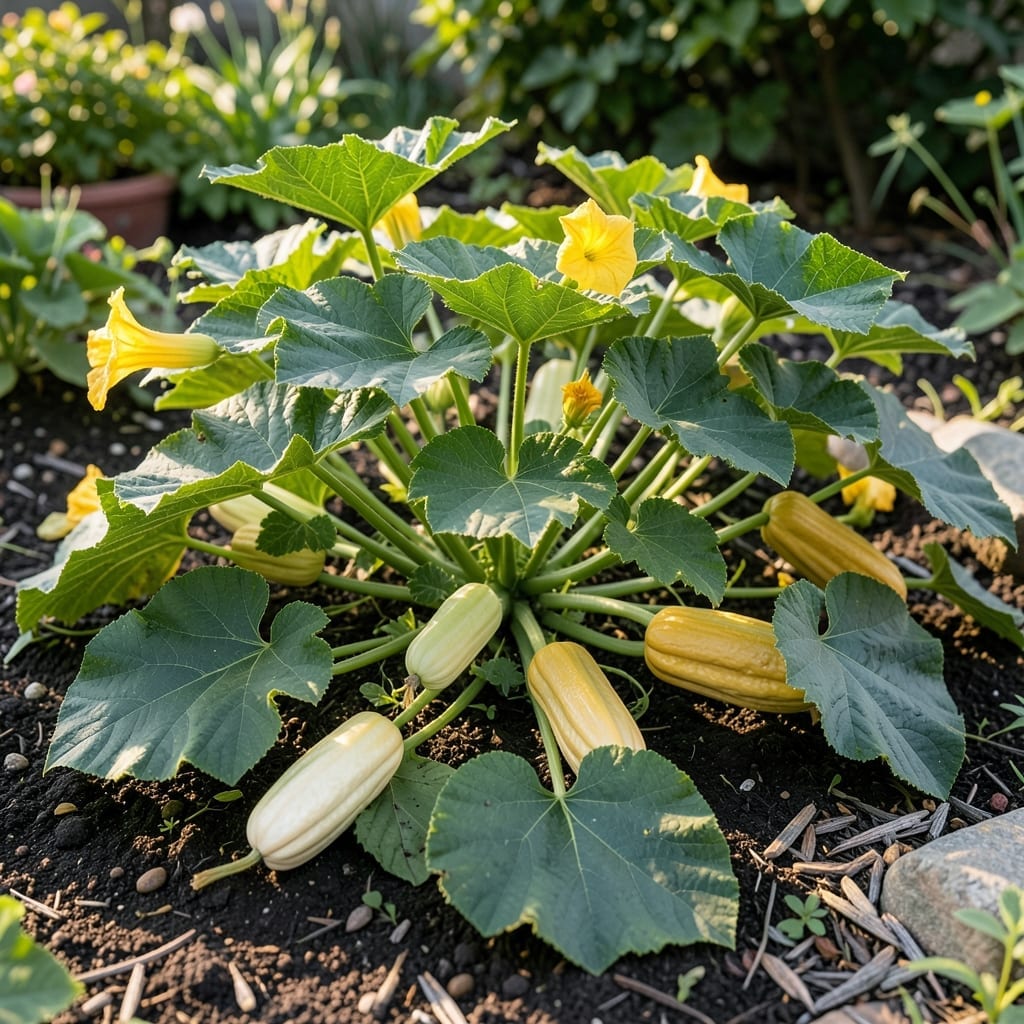
I remember the first time I grew 🎃 Spaghetti Squash in my garden. Watching those vibrant yellow fruits develop was exciting, but I wasn’t sure when they were truly ready to pick.
Getting the timing right is the key to enjoying that perfect pasta-like texture. You don’t want to harvest too early or too late, as both can affect flavor and storage life.
From August to October, your Spaghetti Squash will give you clear signals. The rind color deepens, the stem dries out, and the squash feels heavy in your hand.
Discover how to read these signs like a pro. I’ll walk you through each visual and tactile clue so you can harvest at the peak of ripeness every time.
I love watching spaghetti squash transform from green to golden in my garden. The first sign I look for is the rind color change—it should turn a deep yellow or orange when ready. This color shift is nature’s way of saying your hard work is about to pay off. ☀️
Next, I always check the rind hardness with my fingernail. If I can’t puncture it easily, that’s a sure sign the squash is mature. The stem also gives clues—it should be dry and woody, not green and pliant. 🌱
| Ripeness Sign | What to Look For |
|---|---|
| Color | Deep yellow or orange rind |
| Rind Hardness | Cannot puncture with fingernail |
| Stem Condition | Dry, brown, and woody |
| Weight | Feels heavy for its size |
| Vine Condition | Vines begin to die back |
The weight test is another great indicator. A ripe spaghetti squash will feel heavier than it looks because the moisture content increases as it matures. I like to compare similar-sized squash to gauge their readiness. 🌿
Don’t overlook the vines either. When they start to die back and turn brown, it’s often a sign that the squash is nearing full maturity. This happens as the plant redirects its energy from growth to ripening. ✂️
I also use the tap test for confirmation. A mature squash will produce a hollow sound when tapped lightly with your knuckles. This is because the seeds inside have fully developed and the flesh has thickened. 🌱
For variety-specific differences, I check the seed packet. Some heirloom varieties may have slightly different color patterns or maturation times. Most spaghetti squash take 90 days from planting to harvest, but this can vary. ☀️
Remember that early harvesting leads to underdeveloped flavor and texture. If the rind is still pale or green, or if the stem is flexible, give it more time. Patience is key for the best harvest. 🌿
On the other hand, leaving squash on the vine too long can make the rind too hard or cause it to split. I make it a habit to check my plants every few days once they start showing ripeness signs. ✂️
Finally, I always harvest with a sharp knife or pruners, leaving 2-3 inches of stem attached. This helps prevent rot during storage. Handle your squash gently to avoid bruising the rind. 🌱
I see many gardeners struggle with harvest timing for spaghetti squash. Picking too early means underdeveloped flavor, while waiting too long risks over-ripening and rot. It’s all about reading the plant’s signals correctly.
The most common error is relying solely on color. While a deep yellow rind is a good indicator, it’s not the only one. I always check rind hardness and stem dryness too for confirmation.
⚠️ Avoid These Harvesting Pitfalls
Don’t harvest when the rind is still soft or the stem is green. These are sure signs your spaghetti squash needs more time to mature properly.
Another mistake is ignoring the vines. When the plant’s vines start to die back, it’s nature’s way of saying the squash is nearly ready. This often happens as the growing season winds down.
I’ve learned to use the fingernail test – if you can’t puncture the rind with your nail, it’s likely ripe. But be gentle to avoid damaging the squash or introducing disease.
Remember that size matters too. A mature spaghetti squash typically weighs 4-8 pounds and feels heavy for its size. Lighter squash usually need more growing time.
Finally, don’t forget about weather conditions. A light frost can actually help sweeten the squash, but a hard freeze will ruin it. I always keep an eye on the forecast as harvest time approaches.
With these tips, you’ll avoid the common harvesting mistakes and enjoy perfectly ripe spaghetti squash every time ☀️