
Beautiful Plants For Your Interior
Beautiful Plants For Your Interior
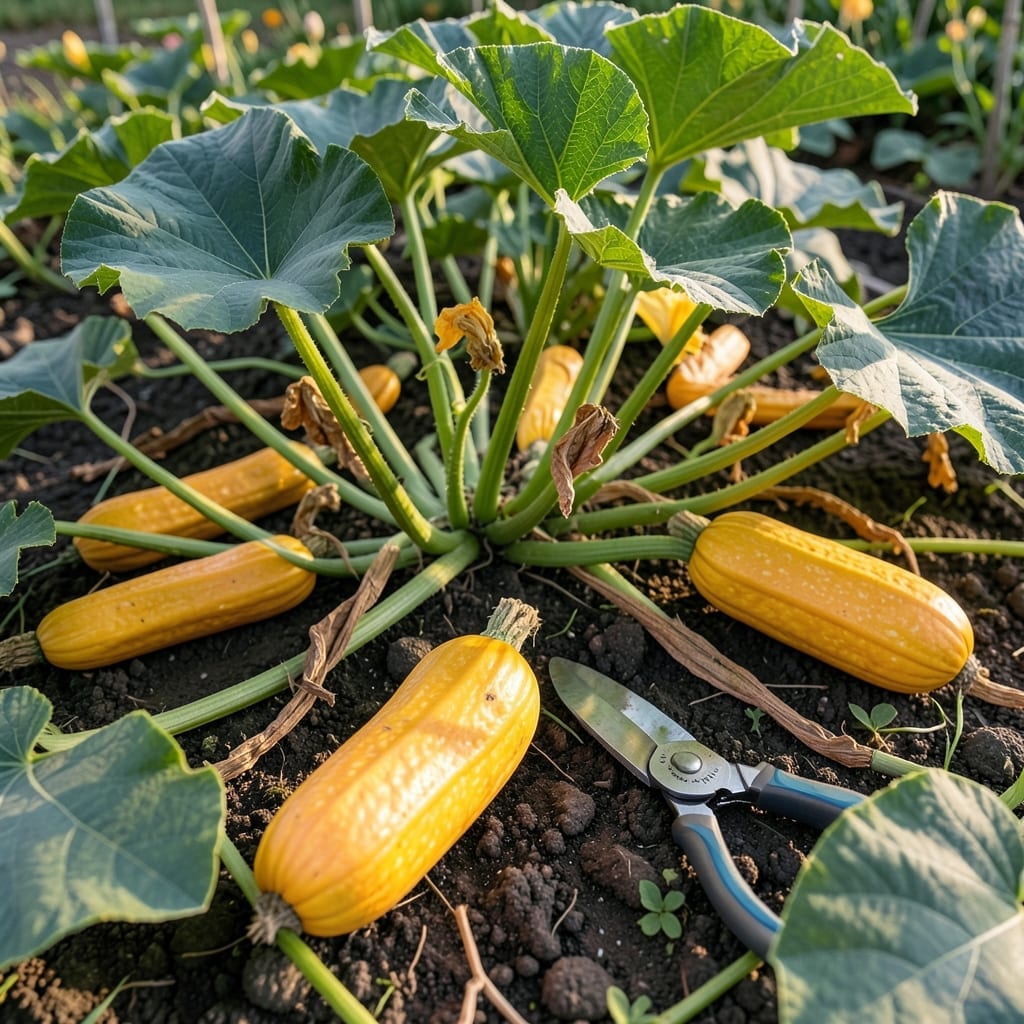
Harvesting Spaghetti Squash 🎃 at peak ripeness is the secret to that sweet, stringy goodness we all love. Pick too early, and you’ll get a bland, watery disappointment.
Wait too long, and the texture turns mushy and unappetizing. Timing is everything when it comes to this versatile spring-planted vegetable.
I’ve learned the hard way that visual cues and a little patience make all the difference. The rind’s color, hardness, and stem condition tell you everything you need to know.
Discover the simple signs that guarantee your 🎃 Spaghetti Squash is ready for harvest, so you can enjoy that perfect pasta-like texture every time.
I know the struggle of staring at spaghetti squash vines wondering if it’s time to pick. The key is in the visual and tactile cues that signal peak ripeness, not just guesswork.
First, check the rind color. A ripe spaghetti squash shifts from pale green to a deep yellow or orange, but color alone isn’t enough to confirm readiness.
| Ripeness Sign | What to Look For |
| Rind Color | Deep yellow or orange |
| Skin Hardness | Cannot be punctured with fingernail |
| Stem Condition | Dry, brown, and woody |
| Vine State | Starting to die back |
| Sound Test | Hollow when tapped |
The skin hardness test is my go-to. Press your fingernail into the rind—if it resists puncture, it’s ready. Soft skin means it needs more time on the vine.
Next, examine the stem condition. A ripe squash has a dry, brown stem that looks woody. If it’s still green and moist, the squash isn’t mature yet.
Don’t overlook the vines themselves. When they start to die back, it’s a strong sign your squash is nearing harvest time. This usually happens as the plant completes its life cycle.
I also use the sound test. Tap the squash lightly—if it sounds hollow, it’s a good indicator of ripeness. A dull thud means it’s not quite there yet.
Weight matters too. A ripe spaghetti squash feels heavy for its size because the moisture content inside has developed fully. Lighter squash often lack the sweet, stringy texture we love.
Remember, size isn’t the best indicator. Some varieties stay small but pack intense flavor. Focus on the rind, stem, and vine cues instead of dimensions alone.
If you’re still unsure, compare a few squash on the vine. The ones with the dullest, hardest rinds and driest stems are your safest bets for harvest.
Once you’ve confirmed ripeness, use pruning shears to cut the stem, leaving 2-3 inches attached. This helps prevent rot during storage.
I see gardeners make the same harvest timing errors every year with spaghetti squash. The biggest one? Assuming size equals ripeness. A large squash can still be immature inside, leading to disappointment.
Another critical mistake is harvesting after frost. Even light frost can damage the rind and accelerate decay. Always pick before the first cold snap hits your region.
The third mistake I see often is ignoring the stem. A green, moist stem is a dead giveaway that your squash isn’t ready. The stem should be dry and woody when truly ripe.
These errors can cost you an entire harvest season. I’ve learned the hard way that patience pays off. Rushing the process often leads to underripe squash that lacks flavor and texture.
Remember, spaghetti squash typically needs 90-100 days to mature. If you planted in late spring, don’t expect to harvest until early fall. Check your seed packet for exact days to maturity.
Finally, always test the rind. If your fingernail leaves a mark, it’s not ready. A hard, dull surface that resists pressure is what you’re looking for. This simple test can save your harvest from being picked too soon. 🌱