
Beautiful Plants For Your Interior
Beautiful Plants For Your Interior
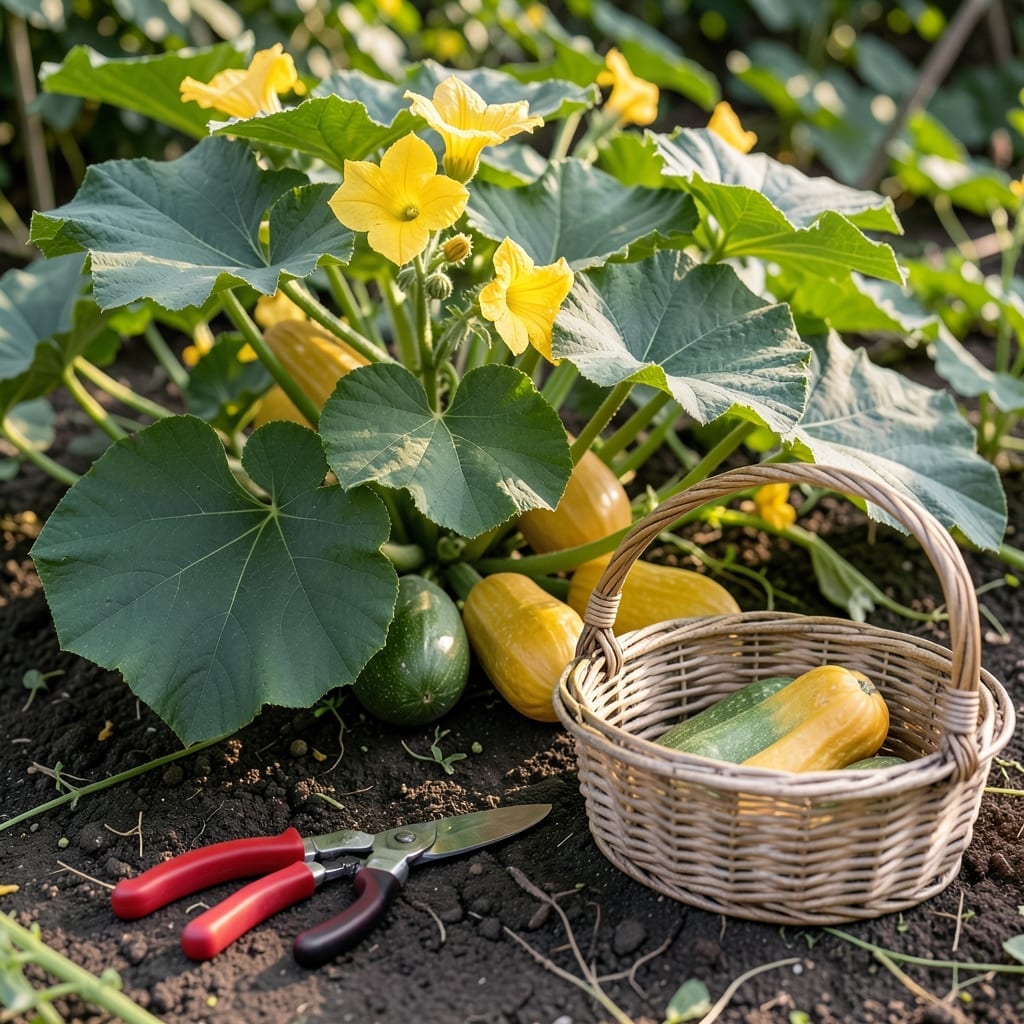
Nothing ruins a harvest like cutting into a Spaghetti Squash that isn’t ready. That stringy, underripe disappointment is all too common when timing is off.
I’ve learned the hard way that visual tests are the most reliable way to know. The 🎃 doesn’t tell you – you have to look for specific signs.
From skin hardness to stem condition, there are clear indicators that separate the ready from the not. These cues never lie if you know what to look for.
Discover how to identify the perfect moment to harvest your Spaghetti Squash and ensure every bite is as delicious as it should be.
I know how tricky it can be to judge spaghetti squash ripeness just by looks. The rind color is your first clue, shifting from pale green to a deep yellow or orange as it matures. But color alone isn’t enough to confirm it’s ready.
Another key sign is the stem condition. When the stem turns dry and woody, it’s a strong indicator your squash is nearing harvest time. I always check this before making my final decision.
The rind hardness test is my go-to method. If I can’t pierce the skin with my fingernail, it’s ready. This simple check prevents premature harvesting and ensures the flesh inside is fully developed.
Don’t overlook the weight factor. A ripe spaghetti squash feels surprisingly heavy for its size because the flesh becomes dense with moisture. Compare similar-sized squashes to gauge this accurately.
I’ve learned that vines dying back is nature’s way of signaling harvest time. When the plant’s energy shifts from growth to seed production, the vines often yellow and wither. This is a great secondary confirmation.
For the most accurate assessment, I combine at least three of these tests. Color, stem condition, and rind hardness together give me confidence I’m picking at the perfect moment. Trust me, it’s worth the extra checks.
Remember that size varies by variety. While most spaghetti squash reach 8-9 inches long when ripe, some smaller varieties may be ready at 6 inches. Always prioritize the other ripeness tests over size alone.
Timing matters too. Most varieties take 80-100 days from planting to harvest. If you know your planting date, you can use this as a general guideline, but always confirm with the visual tests.
I’ve made the mistake of harvesting too early based on size alone. The result was underdeveloped flesh that lacked the characteristic noodle-like texture. Now I wait until all signs point to readiness before picking. ☀️
I see many gardeners rush to harvest their spaghetti squash based on size alone, but this often leads to disappointment. A large squash doesn’t always mean it’s ripe. The skin color and rind hardness are far more reliable indicators than sheer dimensions.
Another frequent error is ignoring the stem condition. If the stem is still green and soft, your squash isn’t ready, no matter how yellow it looks. The stem should be dry and woody when truly ripe.
⚠️ Avoid These Ripeness Pitfalls
Some gardeners make the mistake of waiting for the vines to die back completely. While this is a sign, it’s often too late by then. Your squash may become overripe and lose its ideal texture.
Color can be tricky too. Not all spaghetti squash turn the same shade when ripe. Some stay lighter, while others develop deeper orange hues. Focus more on the rind hardness test instead.
I always recommend the fingernail test. If you can easily pierce the rind with your fingernail, it’s not ready. A ripe squash will have a hard, glossy surface that resists penetration.
Finally, don’t forget that early varieties may mature faster than standard ones. Know your specific variety’s days to maturity to time your checks properly.
With these tips, you’ll avoid the most common mistakes and harvest at just the right time ☀️