
Beautiful Plants For Your Interior
Beautiful Plants For Your Interior
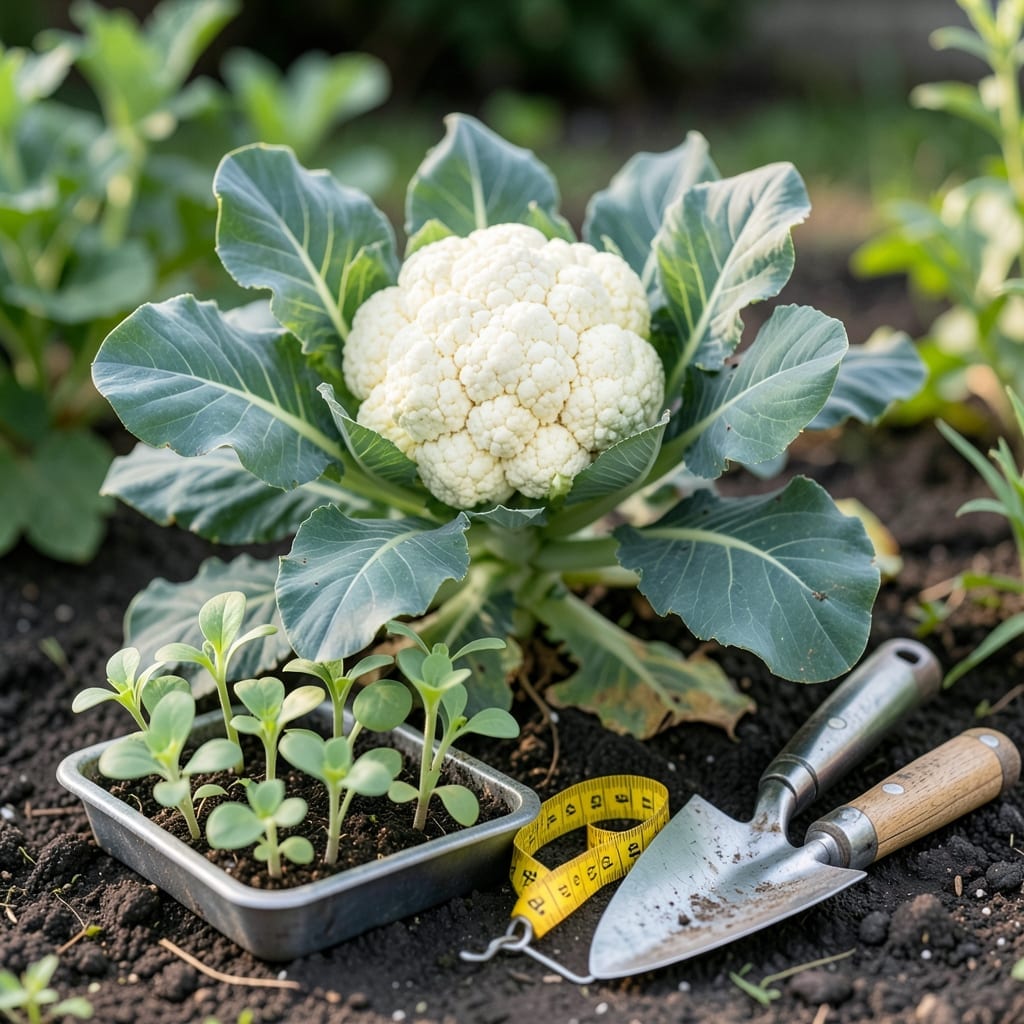
Imagine putting in all the effort to grow cauliflower only to end up with small, stunted heads. That’s often the result of improper spacing. The 🥬 plant needs room to thrive, and crowding can ruin your harvest before it even begins.
I’ve seen firsthand how the right spacing transforms a struggling garden into a bountiful one. It’s not just about preventing competition—it’s about giving each plant the space it needs to reach its full potential.
In this guide, I’ll walk you through the exact distances that work best for maximum yield. You’ll discover how small adjustments can make a big difference in your garden’s success.
Whether you’re planting in rows or raised beds, these tips will help you get it right from the start. Let’s dig in and set your cauliflower up for success.
Getting cauliflower spacing right is crucial for healthy growth. Each variety has unique needs, from standard heads to mini types. Proper spacing prevents competition for nutrients and sunlight. 🌱
I’ve found that standard cauliflower thrives with 18-24 inches between plants. This gives them room to develop full-sized heads without crowding. Rows should be 30-36 inches apart for easy access. 🌿
| Variety | Plant Spacing | Row Spacing |
|---|---|---|
| Standard | 18-24 inches | 30-36 inches |
| Mini | 12-15 inches | 24-30 inches |
| Large-Head | 24-30 inches | 36-42 inches |
Mini cauliflower varieties are more compact, so I space them 12-15 inches apart. Their smaller heads don’t need as much room, but still require adequate airflow to prevent disease. 🌱
For large-head cauliflower, I recommend 24-30 inches between plants. These need extra space for their massive heads to fully develop. Rows should be 36-42 inches apart to accommodate their size. 🌿
If you’re square foot gardening, place 1 standard cauliflower per square foot. For mini varieties, you can fit 2 per square foot without sacrificing growth. ✂️
Adequate spacing also improves air circulation, reducing the risk of fungal diseases. I’ve seen powdery mildew thrive in crowded plantings, so give them room to breathe. 💧
In raised beds, you can tighten spacing slightly, but don’t go below 15 inches for standard types. The loose soil helps roots spread, but they still need personal space. ☀️
Remember, overcrowding leads to smaller heads and weaker plants. I always measure twice to ensure my cauliflower plants have the best chance to thrive. 🌱
Finally, mark your planting spots with stakes or strings to maintain consistent spacing. This small step saves time and ensures uniform growth across your garden. 🌿
When I crowd my cauliflower plants too closely, they compete for sunlight and nutrients. This leads to smaller heads and weak stems, which is the last thing any gardener wants after weeks of care.
On the flip side, spacing them too far apart wastes valuable garden space and can reduce your overall harvest yield. Finding the perfect balance ensures each plant has room to thrive without sacrificing efficiency.
⚠️ Watch Out for These Spacing Mistakes
Too close: Disease spreads faster in crowded rows, and air circulation becomes poor, leading to fungal issues like powdery mildew.
Too far: You’ll harvest fewer heads per square foot, and weeds may take over the empty space.
I’ve seen firsthand how poor spacing can lead to stunted growth. Plants that are 12 inches apart instead of the recommended 18-24 inches often produce underdeveloped curds that never reach full size.
Another issue is nutrient depletion. When roots overlap, they exhaust the soil quickly. I always amend my beds with compost, but even that won’t fix plants fighting for the same resources.
Proper spacing also improves pest control. Aphids and cabbage worms love to hide in dense foliage, so giving plants breathing room makes it easier to spot and treat infestations early.
In my experience, following spacing guidelines leads to healthier plants and bigger harvests. It’s a simple step that makes a world of difference in your garden’s success. ✂️