
Beautiful Plants For Your Interior
Beautiful Plants For Your Interior
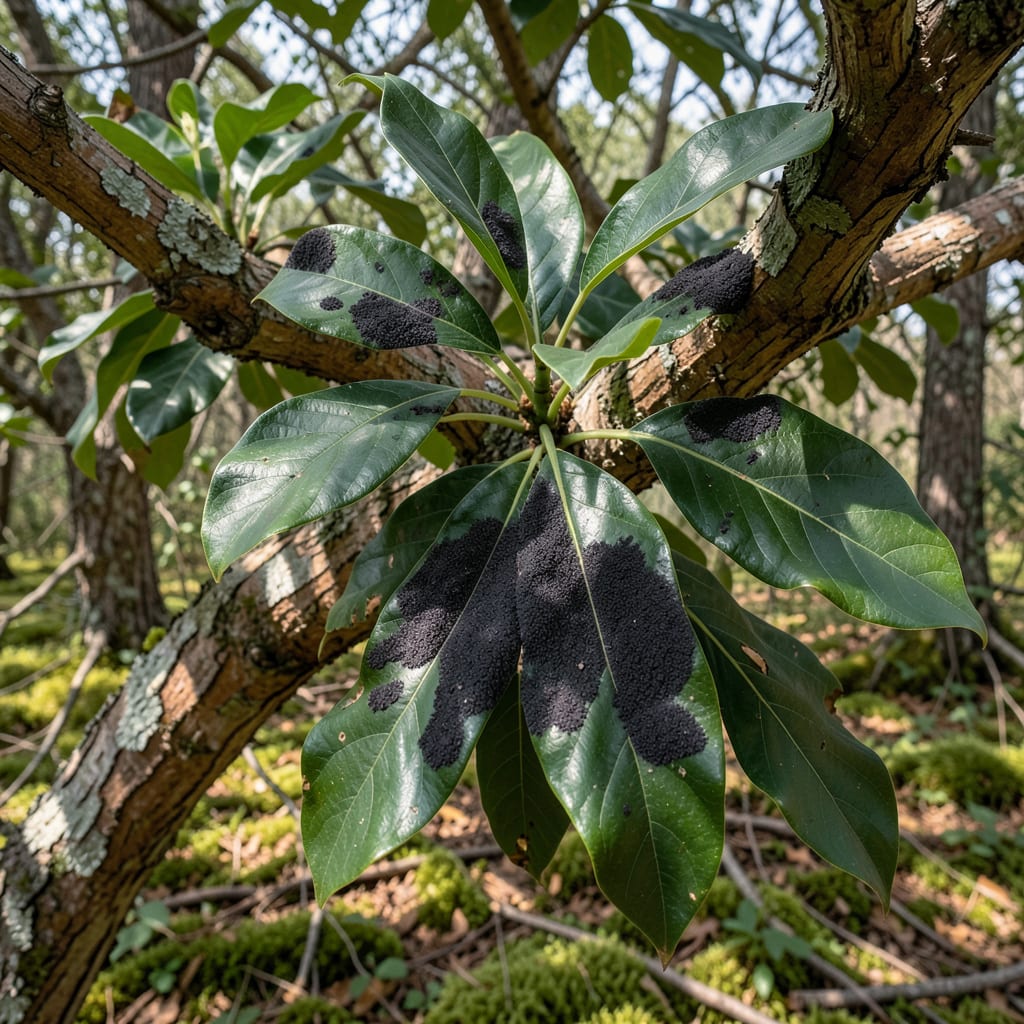
Black crust on your crepe myrtle leaves isn’t just ugly—it’s a red flag. I first noticed this on my own trees last summer, and it took me a week to trace the problem back to aphids hiding on the undersides of leaves.
The mold itself isn’t the main issue. It’s the sticky honeydew from sucking insects that creates the perfect breeding ground for this fungus. Left unchecked, it can block sunlight and weaken the tree over time.
Here’s the thing—solving it starts with eliminating the pests, not just scrubbing the leaves. Once you tackle the root cause, the mold clears up on its own within a few weeks.
With the right approach, your crepe myrtle will be back to its vibrant self by next season. No harsh chemicals required if you catch it early.
Sooty mold on crepe myrtles doesn’t appear out of thin air—it’s a direct response to underlying issues in your garden. This black, dusty fungus thrives on the sugary honeydew excreted by sap-sucking pests, which creates the perfect breeding ground for its spores. Below are the primary causes, each with a clear scientific basis and actionable insights.
The most common culprits are aphids, scale insects, and whiteflies. These pests pierce the plant’s phloem to feed on sap, then excrete excess sugars as honeydew. Sooty mold fungi (Capnodium spp. and others) colonize this sticky residue. Check undersides of leaves and stems for clusters of pests or their white, cottony, or waxy secretions.
High moisture levels accelerate fungal spore germination. Overhead watering keeps foliage wet, while poor air circulation in dense canopies traps humidity. Sooty mold spores, airborne or waterborne, settle and grow rapidly in these conditions. Water at the base and prune for better airflow to reduce risk.
Excess nitrogen promotes lush, soft growth that attracts sap-sucking pests. Meanwhile, phosphorus or potassium deficiencies weaken the plant, making it more susceptible to infestations. A soil test can reveal imbalances—adjust fertilization to support balanced, resilient growth.
Sooty mold on your crepe myrtle is unsightly but manageable. The key is addressing the root cause—usually honeydew-producing pests like aphids, scale, or whiteflies—while cleaning the existing mold. Here’s how to tackle it step by step:
Without controlling the insects, sooty mold will return. Start with these methods:
Once pests are under control, remove the black fungus:
Keep sooty mold from returning with these proactive steps:
With persistence, your crepe myrtle will regain its vibrant, mold-free beauty! ✨
It’s sooty mold, a fungus that grows on honeydew left by pests like aphids or scale. The sticky residue creates the perfect environment for the mold to thrive.
Yes, but it’ll return if pests remain. Use a mild soap solution and soft brush to clean leaves, then treat the underlying pest issue.
Not directly, but heavy mold can block sunlight and weaken the plant. Address it quickly to prevent stress and maintain health.
Encourage airflow, avoid overhead watering, and inspect regularly for pests. Natural predators like ladybugs also help control infestations.
