
Beautiful Plants For Your Interior
Beautiful Plants For Your Interior
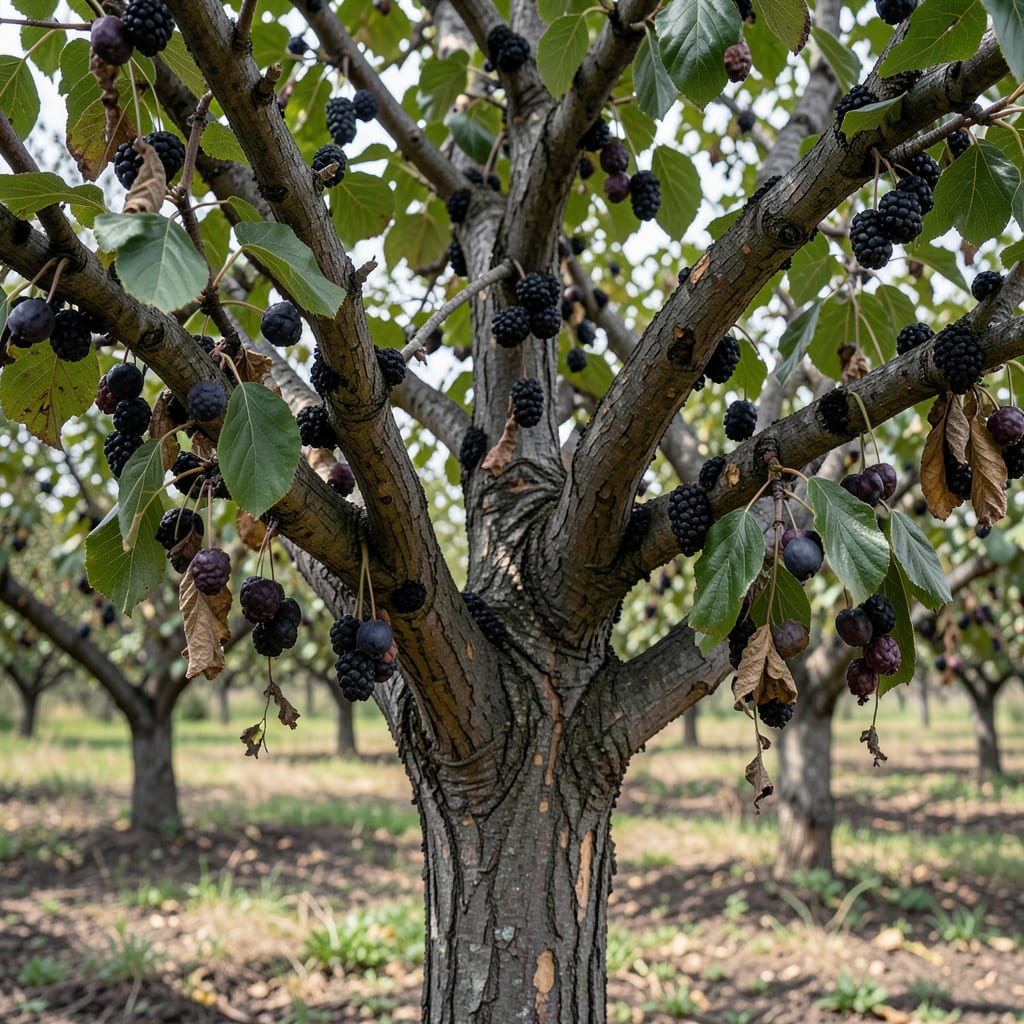
Blackened bark and struggling leaves on your mulberry tree could mean trouble. I spotted these signs last summer and realized I was dealing with sooty canker disease, a fungal issue that chokes a tree’s vitality.
It starts with dark, sunken cankers on the branches, often oozing a tar-like substance. The tree weakens as the disease spreads, cutting off water and nutrients to the leaves. Left unchecked, it can kill major limbs or even the entire tree.
Early detection is key. I learned to inspect branches regularly, especially after wet weather, and prune out infected wood immediately. Organic treatments like copper fungicides can help, but prevention through proper care is the best defense.
Healthy trees resist disease better. With the right approach, your mulberry can recover and thrive again.
Sooty canker disease in mulberry trees is primarily caused by fungal pathogens, with Neoscytalidium dimidiatum being a common culprit. This disease thrives under specific environmental and tree health conditions. Below are the key causes and contributing factors.
Fungal spores spread and germinate in wet conditions. Overwatering, prolonged rainfall, or poor soil drainage create an ideal environment for the fungus to infect the tree. Mulberry trees in waterlogged soils are particularly vulnerable, as the excess moisture weakens their natural defenses.
Physical damage to the tree, such as improper pruning cuts, storm injuries, or mechanical wounds, provides entry points for the fungal spores. Even small, untreated wounds can become gateways for infection. Always sterilize pruning tools and make clean cuts to minimize risk.
The fungus thrives in warm, humid environments, which are common in many regions where mulberry trees grow. Temperatures between 75–85°F (24–29°C) combined with high humidity accelerate spore production and disease spread. These conditions are especially prevalent during late spring and summer.
Mulberry trees under stress—whether from drought, nutrient deficiencies, or pest infestations—are more susceptible to sooty canker. A healthy tree with strong vigor can often resist or recover from fungal infections. Regular fertilization, proper irrigation, and pest management help maintain tree resilience.
Sooty canker disease in mulberry trees can feel overwhelming, but with the right approach, you can restore your tree’s health. Below are targeted solutions for common causes, paired with prevention tips to keep your mulberry thriving. 🌳✨
If you spot dark, sunken cankers or blackened bark, prune affected branches immediately. Use sterilized pruning shears to remove infected wood at least 6–12 inches below the canker. Dispose of the debris far from your garden to prevent reinfection. Prevention tip: 💡 Sterilize tools with rubbing alcohol between cuts to avoid spreading spores.
Dense foliage traps moisture, creating a perfect environment for fungal growth. Thin out crowded branches to allow airflow and sunlight penetration. Space mulberry trees at least 10–15 feet apart if planting new ones. Prevention tip: 🌬️ Avoid overhead watering—use a soaker hose to keep leaves dry.
For active infections, spray copper-based fungicides or neem oil on the tree, focusing on cankered areas and surrounding bark. Apply in early spring and repeat every 2–3 weeks during wet seasons. Prevention tip: ✨ Rotate fungicides to prevent resistance buildup in fungal populations.
A stressed tree is more vulnerable to disease. Fertilize with a balanced organic formula in early spring to boost vigor. Ensure the soil drains well—mulberry trees hate soggy roots! Prevention tip: 🎯 Mulch with compost (but keep it 6 inches away from the trunk) to improve soil health and deter pathogens.
Look for dark, sunken cankers on branches that may ooze a tar-like substance. Leaves above infected areas often wilt or turn yellow as the disease cuts off water flow.
Yes, if caught early. Remove all infected branches 6–12 inches below the canker and apply copper fungicide. Severely damaged trees may need professional arborist care.
Sterilize pruning tools with rubbing alcohol between cuts. Avoid overhead watering and improve air circulation by thinning dense foliage.
Neem oil and copper fungicides work well. Apply every 2–3 weeks during wet seasons, focusing on cankered areas. Always follow label instructions.
