
Beautiful Plants For Your Interior
Beautiful Plants For Your Interior
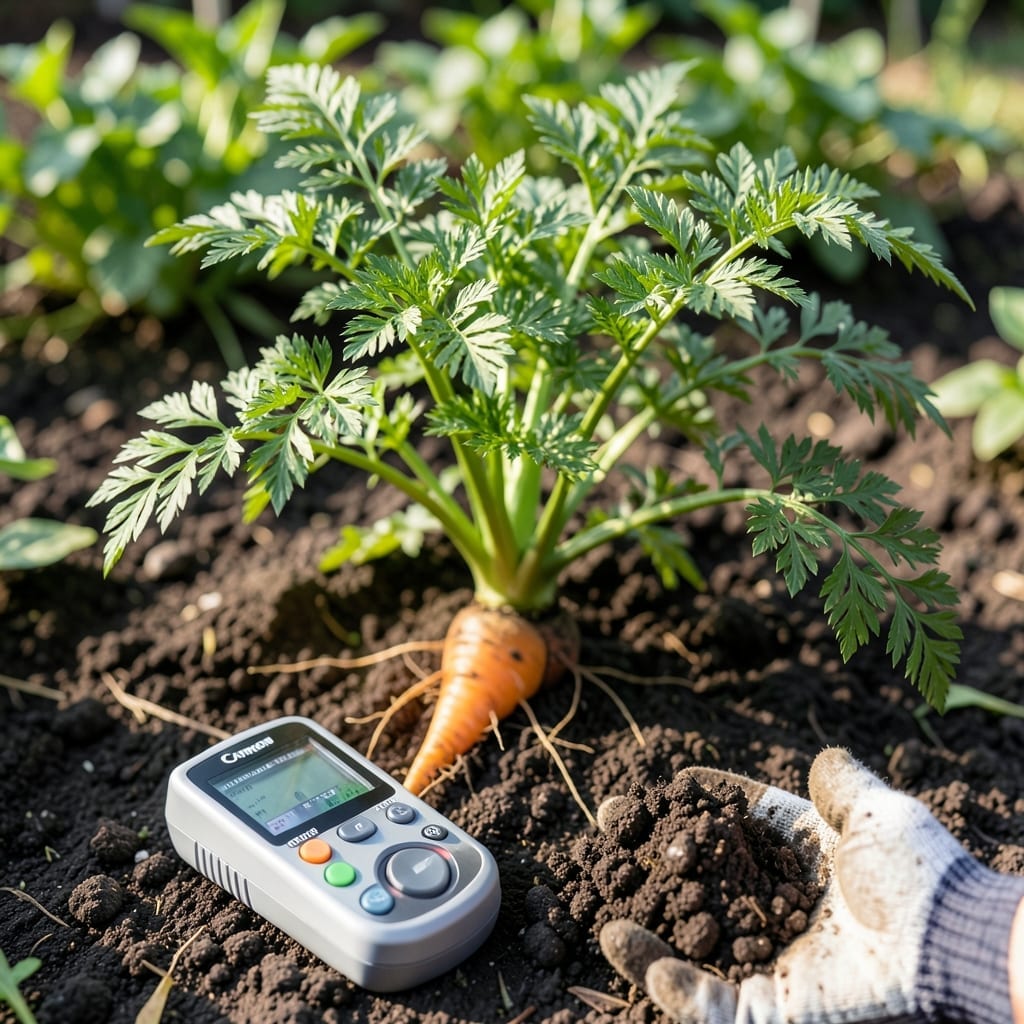
Growing sweet, crisp Carrot 🥕 starts with one often-overlooked factor: your soil’s pH level. Even perfect watering and rich soil won’t deliver the best harvest if the acidity is off.
I learned this the hard way after seasons of lackluster results. That tiny pH number makes all the difference in how your carrots absorb nutrients and develop their flavor.
Whether you’re a beginner or experienced gardener, understanding this simple concept can transform your harvest. It’s not complicated once you know what to look for.
Discover how to test, adjust, and maintain the right balance for thriving Carrot crops. Your taste buds will thank you come harvest time.
If you want sweet, straight carrots with vibrant color, nailing the soil pH is non-negotiable. Carrots thrive in slightly acidic to neutral soil, and even small deviations can stunt growth or dull flavor.
The ideal pH range for carrots is between 6.0 and 6.8. This range ensures optimal nutrient uptake, particularly for phosphorus and potassium, which are critical for root development.
| Requirement | Specification |
|---|---|
| Ideal pH Range | 6.0 – 6.8 |
| Best pH for Sweetness | 6.3 – 6.5 |
| Minimum Acceptable pH | 5.5 |
| Maximum Acceptable pH | 7.5 |
| Primary Nutrient Uptake | Phosphorus, Potassium |
In this sweet spot, carrots absorb essential minerals efficiently, leading to strong root growth and that coveted sweet, earthy flavor. Below 6.0, the soil becomes too acidic, which can lock out nutrients like calcium.
Above 6.8, the soil turns alkaline, and iron and manganese become less available. This often results in poor color development and stunted carrots that lack their signature vibrancy.
I’ve seen gardens where carrots grown in pH 7.0+ soil turned out pale and woody. Adjusting the pH to 6.5 transformed the next harvest into plump, sweet roots with rich color.
The pH scale is logarithmic, meaning a change from 6.0 to 5.0 is 10 times more acidic. Small adjustments can make a big difference in your carrot patch.
For the best results, aim for 6.3 to 6.5. This range maximizes sugar content while ensuring nutrient availability remains balanced. It’s the goldilocks zone for carrots.
Remember, soil pH affects more than just carrots. If you’re companion planting with onions or lettuce, they share similar pH preferences, making it easier to maintain a harmonious garden bed. 🌱
Testing your soil is the first step. I recommend using a digital pH meter for accuracy, but even affordable test strips can give you a good starting point for adjustments.
Testing your soil pH is easier than you think. I recommend starting with a DIY test kit from your local garden center. These are affordable and give quick results. For more precision, send a sample to a lab testing service for detailed analysis. ☀️
Once you have your results, adjusting the pH is straightforward. To raise pH, add garden lime and mix it into the top 6 inches of soil. To lower pH, use elemental sulfur and water it in well. Always retest after a few weeks. 🌱
Timing matters when adjusting pH. I always make changes 2-3 months before planting carrots. This gives the soil time to stabilize. Avoid making drastic changes all at once—gradual adjustments work best for healthy root development. 🌿
One common mistake is over-applying amendments. Too much lime or sulfur can shock your soil and harm plant roots. Follow package instructions carefully, and remember that organic matter like compost can help buffer pH naturally.
For best results, test your soil in early spring or late fall. This gives you time to make adjustments before the growing season. Keep records of your tests and amendments so you can track changes over time. ✂️
If your carrots have been stunted or bitter in past seasons, incorrect pH might be the culprit. Testing and adjusting now can lead to sweeter, more vibrant carrots in your next harvest. 🌻