
Beautiful Plants For Your Interior
Beautiful Plants For Your Interior
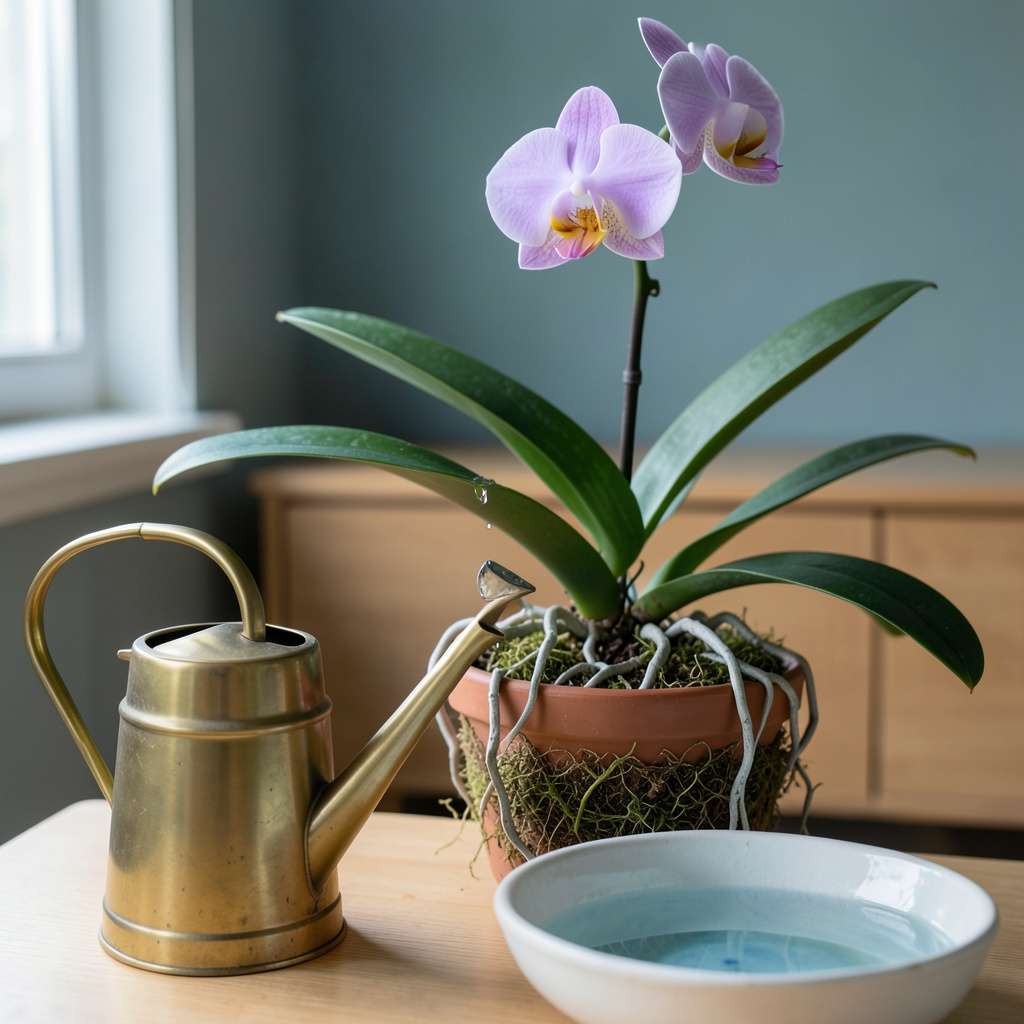
Soaking orchid roots helps hydrate and nourish the plant by allowing roots to absorb water and nutrients. Use room-temperature water for 10–15 minutes, then drain thoroughly to prevent rot. Avoid over-soaking, which can damage roots and reduce oxygen flow.
Understanding why soaking is beneficial is essential for orchid care. 🌱 The roots are designed to absorb moisture effectively, but they can suffer from rot if submerged for too long. Regular soaking can enhance hydration, especially in drier environments, but I recommend monitoring the frequency to avoid potential issues like root decay.
Additionally, using room-temperature water is crucial as it mimics natural rainwater conditions. This practice promotes healthy root growth and overall plant vitality, keeping your orchids thriving. Remember to let them drain completely after soaking to maintain optimal health. 💧
💡 In This Article
The process of soaking orchid roots is vital for their hydration and nourishment. Orchids possess unique root structures that allow them to absorb water effectively. These roots are covered with a spongy layer called velamen, which aids in moisture retention and nutrient absorption.
When submerged, the velamen expands, allowing the roots to soak up water and essential nutrients. 🌿
It’s fascinating how the roots can absorb water in just 10-15 minutes of soaking. This quick process mimics natural rainfall, which orchids thrive on in their native habitats. However, using water that’s too hot or too cold can shock the roots.
Ideally, the water should be at room temperature, around 68-72°F, to promote optimal absorption without causing stress. 💧
Improper soaking can lead to detrimental effects like root rot, a common issue among orchid growers. When roots remain submerged for too long, they can suffocate due to a lack of oxygen, leading to decay. It’s important to thoroughly drain the roots after soaking to prevent this from happening.
Always check the roots for any signs of damage or disease before and after soaking. ⚠️
In terms of frequency, soaking should be done based on the specific orchid species and environmental conditions. For example, orchids in drier climates may require soaking every 1-2 weeks, while those in humid environments might only need it once a month. Monitoring your plant’s health will guide you in establishing a suitable routine. 🌼
Ultimately, soaking orchid roots not only hydrates them but also promotes overall plant vitality. By understanding the mechanics behind this practice, you can ensure your orchids remain healthy and vibrant. Observing their growth after regular soaking can be incredibly rewarding as you witness their beauty flourish! 🌱
