
Beautiful Plants For Your Interior
Beautiful Plants For Your Interior
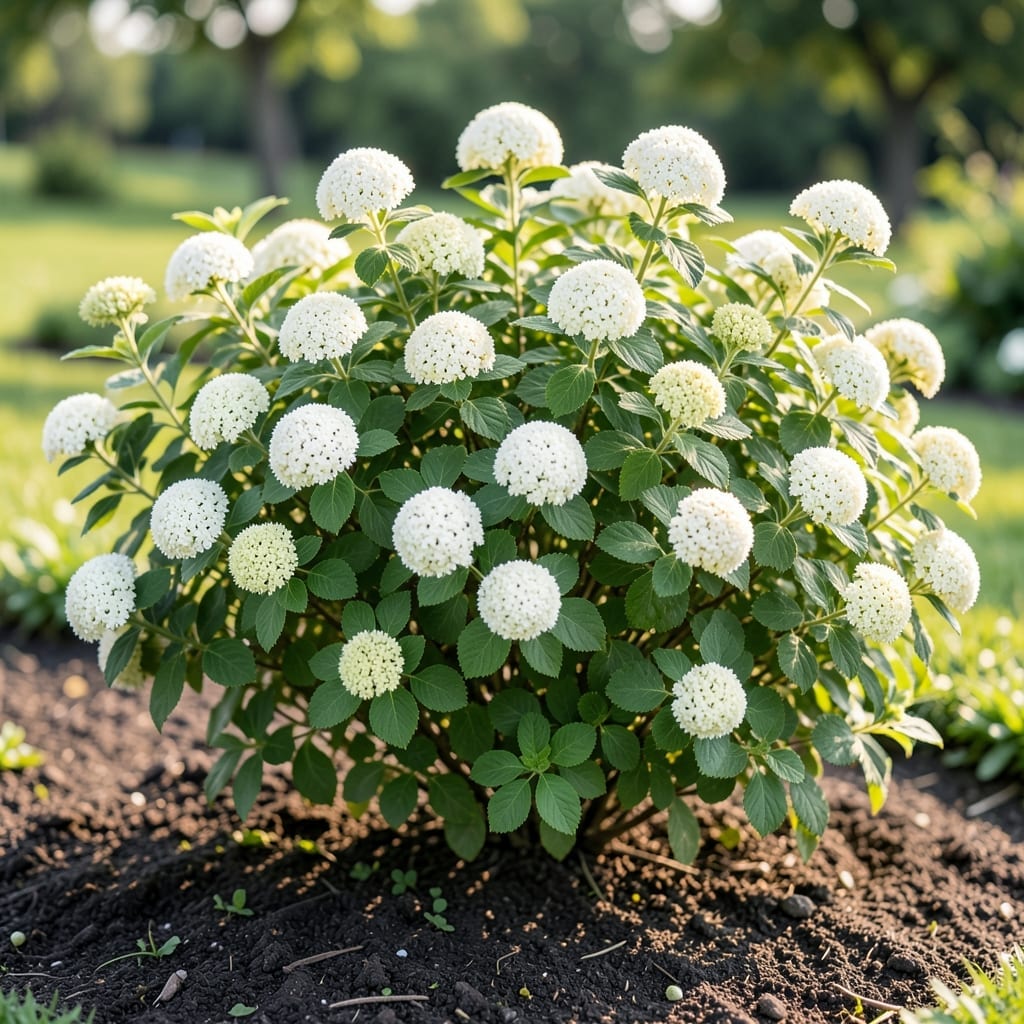
There’s something magical about watching a Snowball Bush 🌸 transform your garden with its cloud-like white blooms. But timing is everything when you want to catch that peak display.
If you’ve ever wondered why your neighbor’s shrub bursts with flowers weeks before yours, climate and care often hold the answer. The Snowball Bush thrives in zones 4-8, but local conditions can shift its schedule.
I’ll show you how to predict its blooming window and share simple tricks to extend those stunning clusters. Whether you’re planting new or nurturing an established shrub, these insights will help.
Discover when to expect those show-stopping flowers and how to keep them coming back even stronger each year.
The snowball bush (Viburnum) typically blooms in late spring to early summer, but the exact timing depends heavily on your USDA hardiness zone and local climate conditions.
In warmer zones like 7-8, you may see those iconic white clusters as early as April, while cooler regions like zones 4-5 often peak in May or June. Microclimates and recent weather patterns also play a role.
| USDA Zone | Bloom Start | Peak Season | Bloom End |
|---|---|---|---|
| 4-5 | Mid-May | Late May | Early June |
| 6 | Early May | Mid-May | Late May |
| 7-8 | Mid-April | Late April | Early May |
I’ve noticed that Viburnum opulus tends to bloom slightly earlier than Viburnum macrocephalum, which often waits until full spring warmth arrives. This is especially true in cooler climates where the soil takes longer to warm up.
If you’re in a mild coastal area, your snowball bush might start blooming 2-3 weeks earlier than the zone guidelines suggest. Conversely, high-altitude gardens often see delayed blooms due to cooler temperatures and shorter growing seasons.
Early spring frosts can be a concern. If a late frost is forecasted, I recommend covering young buds with frost cloth to protect the emerging blooms. This simple step can save your entire flowering season.
Another factor is sunlight exposure. Snowball bushes in full sun (6+ hours daily) tend to bloom earlier and more abundantly than those in partial shade. If your bush isn’t flowering as expected, check its light conditions first.
Soil moisture also influences timing. A consistent watering schedule in early spring encourages robust bud development. However, overwatering can delay blooming, so aim for moist but well-drained soil.
Keep in mind that newly planted bushes may take 2-3 years to produce their first full blooms. Patience is key—once established, they’ll reward you with spectacular displays year after year. 🌸
For the most accurate prediction, I suggest tracking your bush’s progress each year. Note when buds first appear and when the first flowers open. This personal log will help you anticipate blooms in future seasons.
To get the most from your snowball bush blooms, timing and care are everything. I’ve found that proper pruning right after flowering encourages next year’s buds to form strong and healthy. Full sun exposure also boosts bloom duration and vibrancy.
Consistent watering practices keep the soil moist but not soggy, which is critical during bud formation. A balanced fertilizer applied in early spring gives the plant the nutrients it needs for lush blooms. ✂️
One common mistake I see is over-pruning in fall, which can remove flower buds that have already formed. Instead, focus on light shaping and save major cuts for right after the blooms fade. This keeps your bush healthy and bloom-ready for next season.
Another tip is to mulch around the base to retain moisture and regulate soil temperature. This is especially helpful in warmer climates where the plant might struggle with heat stress. A 2-3 inch layer of organic mulch works wonders. 🌱
If your snowball bush isn’t blooming as expected, check its light conditions. Too much shade can lead to sparse or delayed blooms. Relocating the plant or trimming nearby trees might be the solution.
Finally, healthy soil is the foundation for a long blooming season. I recommend testing your soil’s pH and amending it with compost if needed. Slightly acidic to neutral soil (pH 6.0-7.0) is ideal for these shrubs. 🌿