
Beautiful Plants For Your Interior
Beautiful Plants For Your Interior
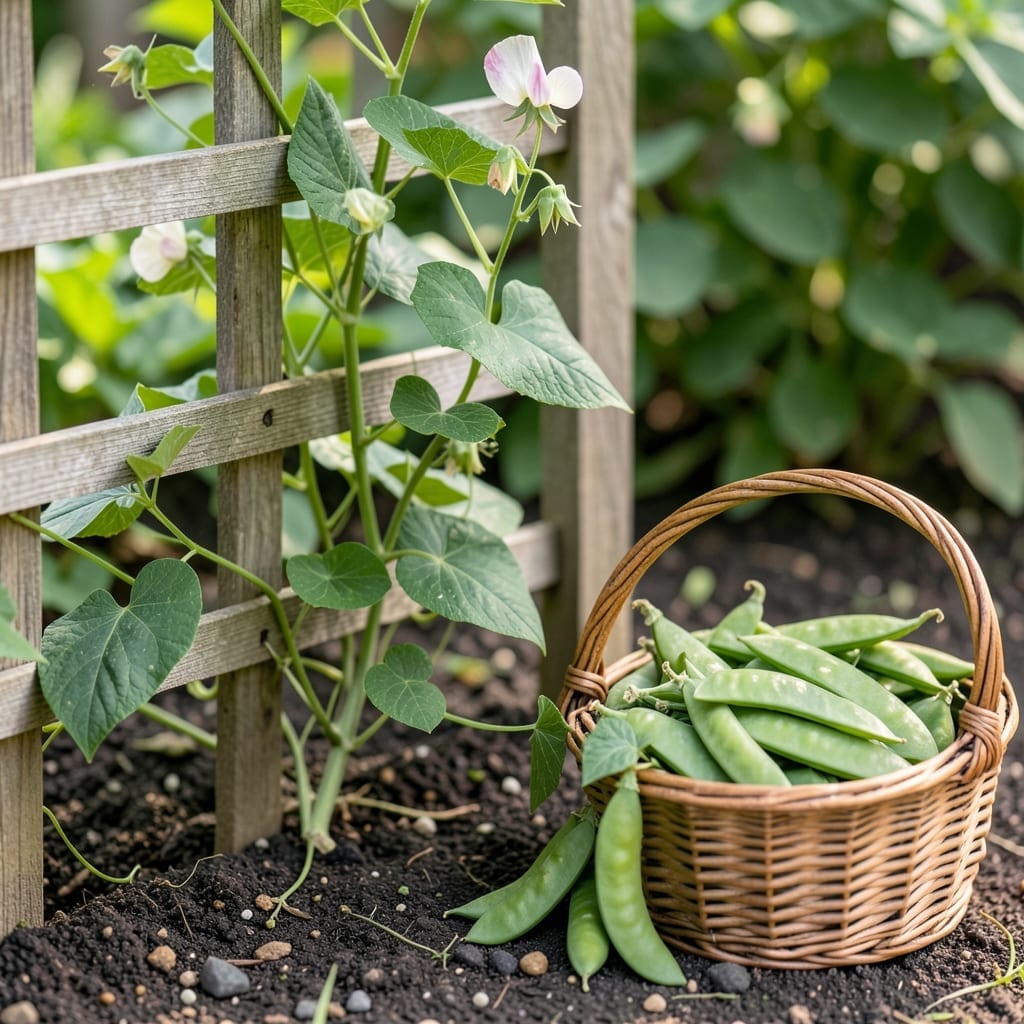
Timing is everything when it comes to growing Snow Peas 🌱. Plant them at the right moment, and you’ll enjoy a bountiful harvest of crisp, sweet pods all season long.
In zone 6, the magic window falls between March and April. Get this right, and you’re halfway to a thriving crop that will have your neighbors asking for your secret.
But it’s not just about when you plant. The real trick is knowing how to stretch that growing period for maximum yield. I’ll show you exactly how to make the most of your Snow Peas season.
Discover the simple strategies that turn a good harvest into a great one. Let’s get started.
Getting your snow peas in the ground at the right time makes all the difference. These cool-season crops thrive when temperatures hover between 40°F and 75°F, so timing is key.
In cool climates like the Pacific Northwest, you can plant as early as late February. For temperate zones, such as the Midwest, aim for March to early April. Gardeners in warmer regions should wait until late fall or winter to avoid heat stress.
| Climate Zone | Planting Window | Frost Consideration |
|---|---|---|
| Cool (Zones 3-5) | Late Feb – March | Plant 4-6 weeks before last frost |
| Temperate (Zones 6-8) | March – April | Aim for soil temps above 40°F |
| Warm (Zones 9-11) | Sept – Nov | Avoid summer heat above 85°F |
For zone 6 gardeners, the sweet spot is March through April. This aligns perfectly with the last frost date around April 15th, giving your plants a head start before summer heat kicks in.
I always check my soil temperature with a simple thermometer. If it’s consistently above 40°F, it’s go time. Snow peas can handle light frosts, but they’ll germinate faster in warmer soil.
In warmer areas, consider planting in partial shade during the hottest part of the day. This can extend your growing window by a few precious weeks when temperatures start climbing.
Remember that succession planting can give you multiple harvests. I plant a new batch every 2-3 weeks until temperatures consistently stay above 75°F. This staggers your harvest and keeps fresh pods coming.
For fall planting in cooler zones, count backward from your first frost date. Snow peas need about 60 days to mature, so plant them 8-10 weeks before you expect frost.
The variety you choose affects timing too. Dwarf varieties like ‘Oregon Sugar Pod’ mature faster, while taller types such as ‘Mammoth Melting Sugar’ may need a few extra days. Check your seed packets for specific days to maturity.
No matter your zone, consistent moisture is crucial during germination. I water gently but thoroughly after planting, then keep the soil evenly damp until sprouts appear, which usually takes 7-10 days. ☀️
Want to enjoy snow peas beyond the typical 60-day window? With a few smart strategies, I’ve stretched my harvest to 8-10 weeks in zone 6. The key is working with, not against, the season’s natural rhythm.
Start by planting early varieties like ‘Oregon Sugar Pod’ first, then follow with heat-tolerant types such as ‘Mammoth Melting Sugar’ two weeks later. This succession planting keeps the harvest flowing.
I’ve found that shade cloth is a game-changer when temperatures climb above 75°F. Just 30-40% shade can buy you an extra 2-3 weeks of production by preventing flower drop.
Don’t overlook vertical gardening either. Training vines up a trellis improves air circulation, which helps prevent powdery mildew—a common season-shortener in humid climates.
For fall crops, I plant 6-8 weeks before the first frost. In zone 6, that’s usually late August. The cooler temps actually improve pod sweetness while extending the harvest window.
Finally, keep the soil consistently moist but not soggy. Drip irrigation on a timer helps maintain this balance, especially during dry spells that can stunt growth and shorten your season.
With these tweaks, you’ll be picking snow peas long after your neighbors have pulled their plants 🌿