
Beautiful Plants For Your Interior
Beautiful Plants For Your Interior
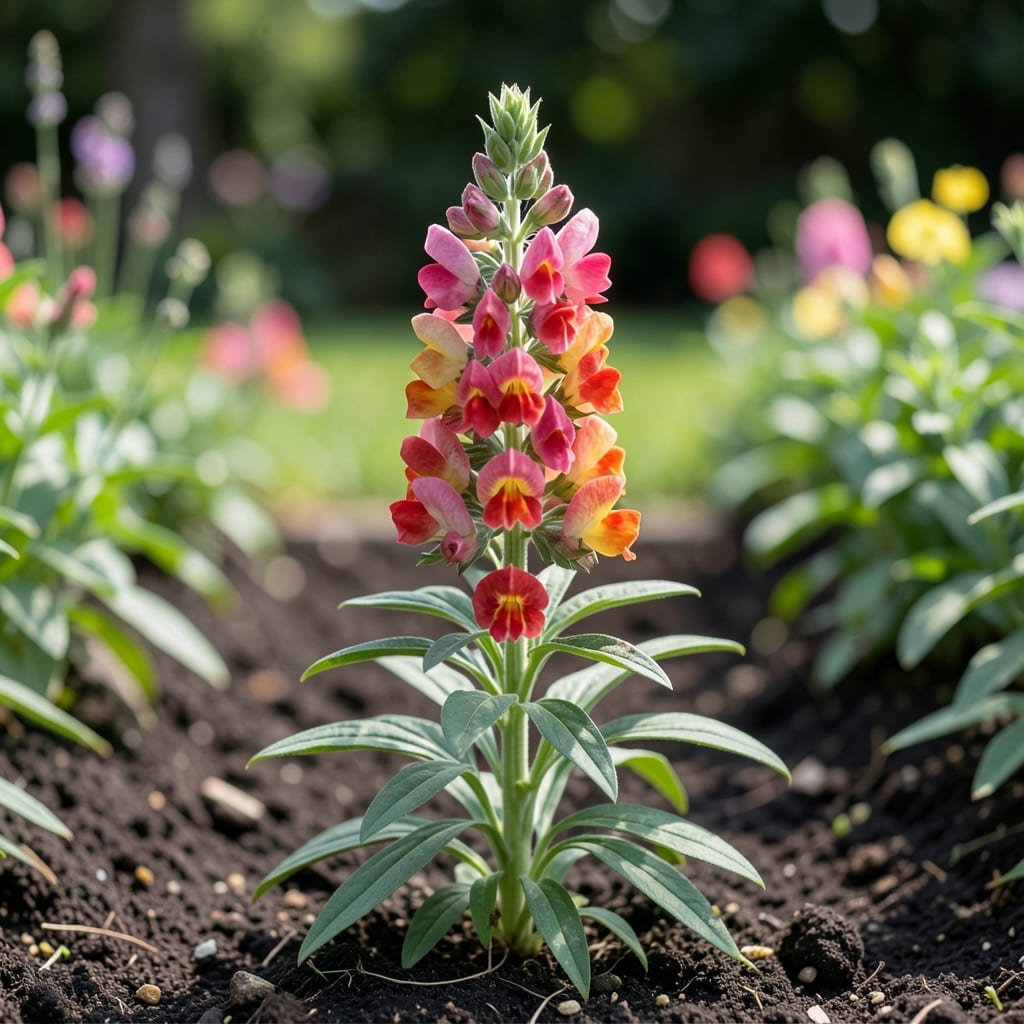
Snapdragons bring vibrant color and vertical drama to any garden, but their blooming success hinges on one critical factor: sunlight. Get the exposure wrong, and you’ll end up with leggy, flowerless plants.
The 🌼 Snapdragon needs 6+ hours of direct light daily to produce those lush spikes we love. In my experience, this is the game-changer between lackluster and spectacular displays.
Whether you’re working with a sunny backyard or a partially shaded balcony, understanding these light needs will transform your results. I’ll show you exactly how to hit the sweet spot.
Discover how to maximize your Snapdragon’s potential through proper sun exposure, regardless of your garden’s unique conditions.

If you want vibrant snapdragon blooms, sunlight is non-negotiable. These sun-loving annuals thrive with 6+ hours of direct sun daily, though they tolerate light afternoon shade in scorching climates. Without enough light, you’ll notice weak stems and fewer flowers. I’ve seen this firsthand—snapdragons in shady spots grow tall and leggy but rarely bloom well.
For the best results, aim for full morning sun and dappled afternoon light in hot regions. In cooler areas, maximum sunlight ensures robust growth. Even partial shade varieties perform better with at least 4-6 hours of sun. I always check my garden’s sun patterns before planting to avoid disappointment.
| Requirement | Specification |
|---|---|
| Ideal Sun Exposure | Full sun to partial shade |
| Daily Sunlight Hours | 6+ hours (minimum 4-6) |
| Light Intensity | Direct morning, dappled afternoon |
| Heat Tolerance | Moderate (shade in extreme heat) |
| Bloom Impact | More sun = more flowers |
In my experience, snapdragons in full sun produce the most dense flower spikes. The morning sun is especially beneficial because it dries dew quickly, reducing the risk of fungal diseases. If your garden gets intense afternoon heat, a bit of shade can prevent leaf scorch while still allowing for strong growth.
For container-grown snapdragons, place pots where they’ll get maximum sunlight. I’ve had great success with south-facing balconies or patios. Rotate pots occasionally to ensure even light distribution, especially if you notice the plants leaning toward the light. This simple step can make a big difference in plant symmetry and flower production.
If you’re in a cooler climate, don’t hesitate to give snapdragons all-day sun. They’ll reward you with longer blooming periods and brighter colors. In my zone 6 garden, snapdragons planted in full sun locations often bloom a full month longer than those in partial shade. It’s a clear reminder that light is fuel for these colorful annuals.
For cut flower production, snapdragons need consistent sunlight to develop strong stems suitable for arrangements. I’ve found that staking taller varieties in windy, sunny spots helps prevent stem breakage while still allowing them to soak up the sun they crave. The result is longer-lasting blooms both in the garden and in vases.
Seasonal adjustments matter too. In early spring or fall, when days are shorter, ensure snapdragons get every possible sunlight hour. During the peak of summer, especially in hotter zones, a bit of afternoon shade can prevent heat stress while still meeting their light requirements. It’s all about finding that perfect balance.
Remember, snapdragon varieties can vary in their sun needs. While most prefer full sun, some dwarf varieties may tolerate more shade. Always check the plant tag or seed packet for specific recommendations. This small step can save you from common growing mistakes.
By paying close attention to sun exposure, you’ll be rewarded with healthy, flowering snapdragons that bring color and height to your garden all season long. It’s one of the simplest yet most effective ways to ensure gardening success with these beautiful annuals ☀️
Snapdragons thrive in full sun, but your local climate zone can change the game. I’ve seen firsthand how intense heat or cool summers demand different approaches to light management for these beauties.
In hotter regions, like USDA zones 8-10, afternoon shade prevents scorching. Meanwhile, cooler climates need every bit of sun to fuel those vibrant blooms we love.
For desert gardens, I recommend planting snapdragons where they’ll get morning sun and dappled afternoon shade. This mimics their native Mediterranean conditions perfectly.
In coastal areas with frequent fog, elevated beds or west-facing locations can capture more direct light. I’ve had great success with this setup in my own foggy garden.
Remember that microclimates matter too. A sunny wall or paved surface can create extra warmth, while tall trees or buildings might cast unwanted shadows.
Finally, watch your plants – they’ll tell you if they’re getting too much or too little light. Yellowing leaves often signal sun stress, while leggy growth means they’re reaching for more light. ☀️