
Beautiful Plants For Your Interior
Beautiful Plants For Your Interior
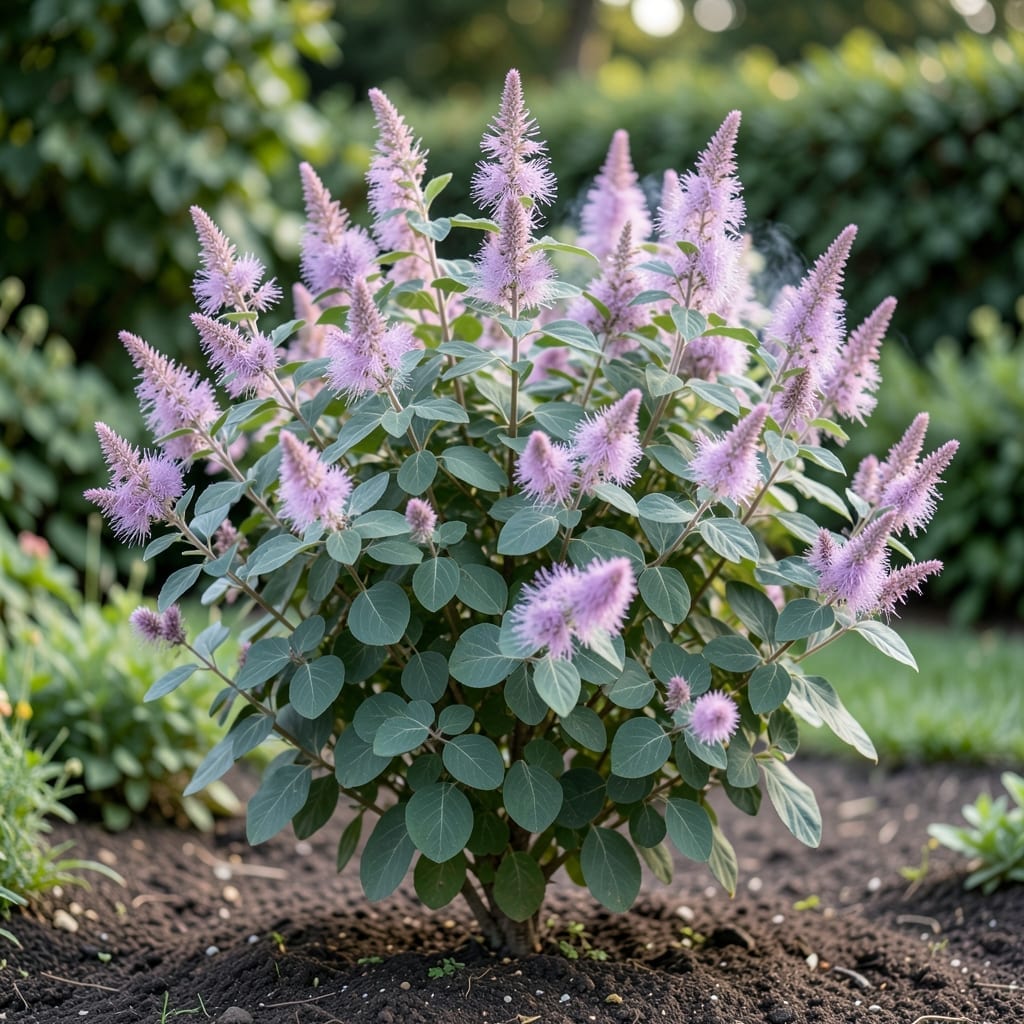
That first glimpse of airy white plumes stopped me in my tracks. 🌿 I’ve since learned these trees thrive with minimal fuss—just the right spot and a little patience.
Sunlight brings out the best in their foliage, while well-draining soil keeps roots happy. You’ll get striking color from spring to fall, with those signature smoke-like blooms that make neighbors ask, “What is that?”
📚 In This Guide
This method delivers that stunning purple-pink foliage with minimal fuss—just follow the timing.
Smoke tree white thrives in full sun—at least 6-8 hours daily—but tolerates light afternoon shade in hotter zones. I always test my spot by watching shadow patterns: if the area gets direct light from mid-morning to late afternoon, you’re golden. Avoid low-lying areas where cold air pools, as late frosts can damage new growth.
The soil should drain well; these trees despise wet feet. Test drainage by digging a 1-foot hole, filling it with water, and watching how fast it disappears. If water remains after 4 hours, amending with compost or choosing a raised bed is essential.
Dig a hole twice as wide as the root ball but no deeper. Here’s the thing—planting too deep suffocates the roots and stunts growth. Set the tree so the root flare (where roots meet trunk) sits 1-2 inches above the surrounding soil level.
Space multiple trees 10-15 feet apart to accommodate their mature spread. I backfill with native soil, tamping gently to eliminate air pockets, then create a 3-inch watering basin around the base to help moisture reach the roots. Water immediately with 5 gallons to settle the soil.
For the first 2-3 weeks, water deeply 2-3 times weekly—enough to soak the root zone 12-18 inches down. You’ll know it’s working when the soil feels moist at 6-inch depth but not soggy. After establishment, smoke trees are drought-tolerant, but I still give mine a good soak during extended dry spells.
Real talk: overwatering is the most common killer. If leaves start yellowing or the soil smells sour, you’re loving it to death. Let the top 2-3 inches dry out between waterings once established. Mulching with 2-3 inches of organic matter helps retain moisture while keeping roots cool.
Prune in late winter or early spring before new growth starts. I remove any dead, diseased, or crossing branches first, then shape the tree by cutting back up to one-third of the previous year’s growth. This encourages bushier growth and more of those stunning smoke-like plumes.
Use clean, sharp pruners and make cuts at a 45-degree angle just above a bud or branch. Don’t skip this (I learned the hard way)—ragged cuts invite disease. Sterilize tools between cuts with rubbing alcohol if you’re working with multiple plants.
Fertilize lightly in early spring with a balanced 10-10-10 formula, but don’t overdo it. Too much nitrogen produces leafy growth at the expense of those prized plumes. I sprinkle 1 cup of fertilizer per 10 square feet around the drip line, then water thoroughly.
Watch for powdery mildew in humid conditions—it appears as white spots on leaves. Improve air circulation by thinning crowded branches, and water at the base to keep foliage dry. With proper care, your smoke tree white will reward you with decades of dramatic color and those signature airy blooms.
A few key insights that will help your tree thrive with that signature purple-pink foliage.
Sunlight Strategy: That 6-8 hours of daily full sun isn’t just a suggestion—it’s essential for the vibrant color development. I’ve seen trees in partial shade produce lackluster foliage. If your climate has intense afternoon heat, light shade during that period is fine, but don’t skimp on the morning sun.
Drainage Test: The 4-hour drainage test in Step 1 is non-negotiable. If water lingers longer, your tree’s roots will suffocate. I learned this after losing a young smoke tree to root rot—amend with compost or use raised beds if your soil fails this test.
Planting Depth: Confession: I planted my first smoke tree too deep and wondered why it struggled. That 1-2 inches above soil level for the root flare is critical. Planting too deep suffocates the roots, and you’ll see stunted growth or even death within a season.
Watering Wisdom: During those first 2-3 weeks, the 2-3 times weekly deep watering isn’t just about moisture—it’s about encouraging deep root growth. I check the 6-inch depth with my finger; if it’s dry there, it’s time to water. After establishment, that 2-3 inch dry top layer rule prevents overwatering, which is surprisingly more deadly than drought for these trees.
White smoke trees thrive in full sun to partial shade and well-drained soil. Water moderately, allowing the soil to dry between waterings. Prune in late winter to shape and remove dead branches.
White smoke trees typically bloom in late spring to early summer, producing striking plume-like flowers. The exact timing can vary based on climate and local growing conditions.
Common issues include powdery mildew, leaf spot, and root rot from poor drainage. Ensure good airflow and avoid overwatering to prevent these problems.
Yes, but choose a large container with good drainage. Dwarf varieties are best suited for pots. Ensure it receives adequate sunlight and regular watering.
Consider plants like the purple smoke bush or ninebark for comparable foliage and texture. Both offer striking colors and are low-maintenance alternatives.