
Beautiful Plants For Your Interior
Beautiful Plants For Your Interior
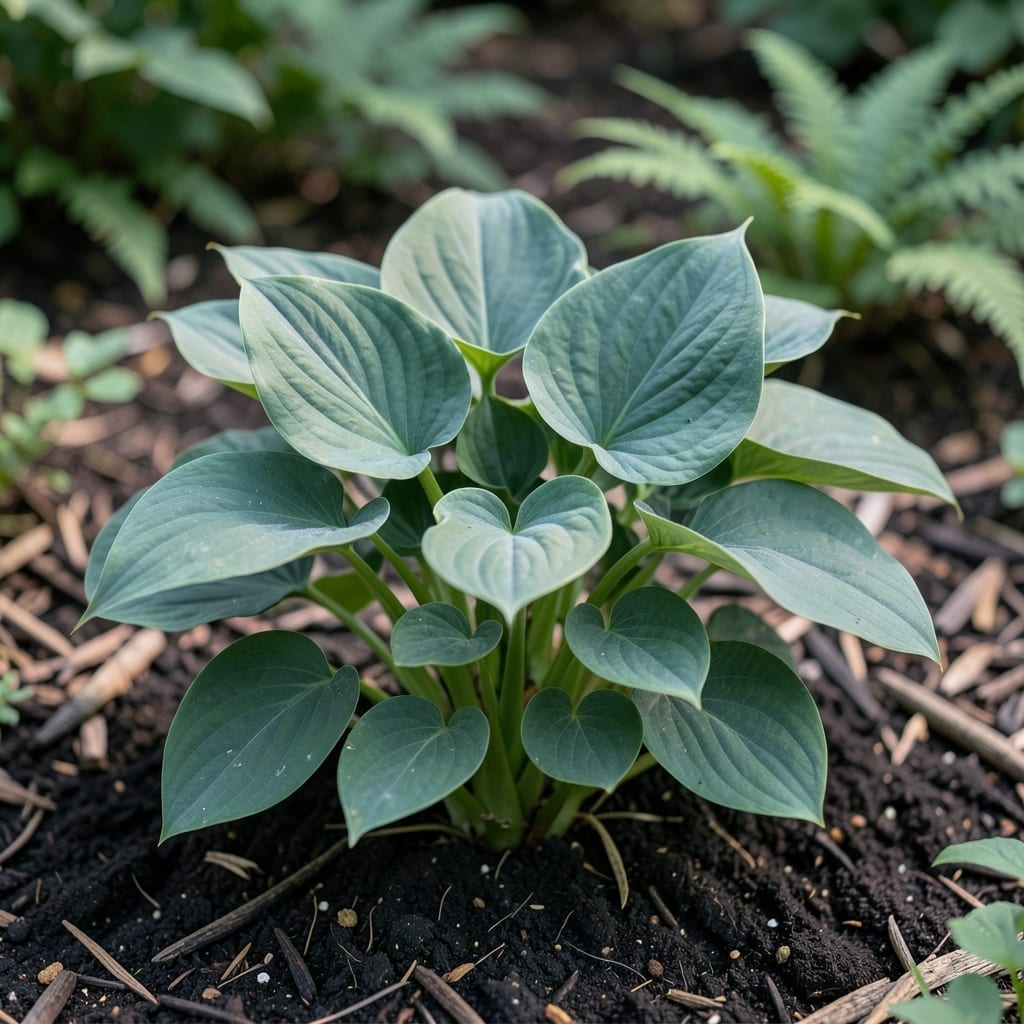
Tiny but mighty, the smallest hosta plants prove that big beauty comes in compact packages. If you’ve ever admired the lush foliage of 🌿 Hosta but thought your space was too limited, these miniature varieties are here to change your mind.
Perfect for containers, borders, or those cozy garden corners, they bring all the charm without the sprawl. I’ve seen firsthand how these little wonders can transform even the smallest outdoor areas into vibrant, textured havens.
What makes them truly special is their versatility. Whether you’re working with a balcony garden or a narrow pathway, there’s a perfect petite hosta to fit your vision.
Let me show you how to make the most of these space-saving stunners in your own garden. You’ll be amazed at what a big impact such a small plant can make.
If you’re working with limited space, the smallest hosta plants are perfect for adding lush greenery without overwhelming your garden. These miniature hostas thrive in containers, borders, and small garden beds, bringing bold textures and vibrant colors to tight spots.
From tiny blue-leaved varieties to variegated mini hostas, there’s a compact cultivar for every taste. I’ve tested many, and the top performers deliver big impact in small packages. Here are my favorites.
| Variety | Mature Size | Key Feature | Ideal Light |
|---|---|---|---|
| Blue Mouse Ears | 6″ tall x 18″ wide | Thick blue leaves | Partial shade |
| Pandora’s Box | 5″ tall x 12″ wide | White-edged leaves | Partial to full shade |
| Baby Bunting | 4″ tall x 10″ wide | Green with white edges | Partial shade |
| Little Sunspot | 4″ tall x 8″ wide | Yellow centers | Partial shade |
| Tiny Tears | 3″ tall x 6″ wide | Dark green, wavy edges | Full to partial shade |
Blue Mouse Ears is my top pick for textural contrast. Its round, puckered leaves look stunning in container gardens or as a ground cover under taller plants.
Pandora’s Box shines with its dramatic white margins. I love using it in shaded rock gardens where its bright foliage stands out against darker stones.
For sun-kissed spaces, Little Sunspot brings cheerful yellow-green tones. It’s one of the few mini hostas that tolerates a bit more morning sun than others.
Baby Bunting is a classic with its neat, compact habit. It’s ideal for fairy gardens or tiny borders, and its white flowers add a delicate touch in summer.
Tiny Tears lives up to its name with deeply wavy leaves. At just 3 inches tall, it’s the smallest hosta I’ve grown, perfect for dollhouse gardens or terrariums.
Each of these dwarf hostas thrives in moist, well-draining soil. I recommend amending your planting area with compost for best results.
Remember, even miniature hostas need consistent moisture. I water mine weekly in containers and bi-weekly in the ground, adjusting for rainfall.
🌿Growing the smallest hosta plant varieties is surprisingly simple once you understand their needs. I’ve found these tiny powerhouses thrive in partial shade with just 2-4 hours of gentle morning sun. They’re perfect for those shady spots where other plants struggle.
These mini hostas prefer moist but well-draining soil rich in organic matter. I always mix in compost when planting to give them a strong start. Their compact size makes them ideal for containers too, just ensure the pot has good drainage holes.
Care Essentials for Mini Hostas:
One thing I love about miniature hostas is their low maintenance nature. They don’t demand much beyond their basic needs. In my experience, they’re more forgiving than many gardeners expect, bouncing back quickly if conditions aren’t perfect.
For container growing, I recommend using high-quality potting mix and watering when the top inch of soil feels dry. Remember that pots dry out faster than ground plantings, so check them regularly during hot weather.
Their USDA zones 3-9 hardiness makes them versatile for most climates. I’ve successfully grown them in both cool northern gardens and warmer southern locations with proper shade and moisture.
With their slow growth habit, these tiny hostas stay manageable and won’t outgrow their space quickly. This makes them perfect for long-term planting schemes where you want consistent size and appearance year after year.
🌿