
Beautiful Plants For Your Interior
Beautiful Plants For Your Interior
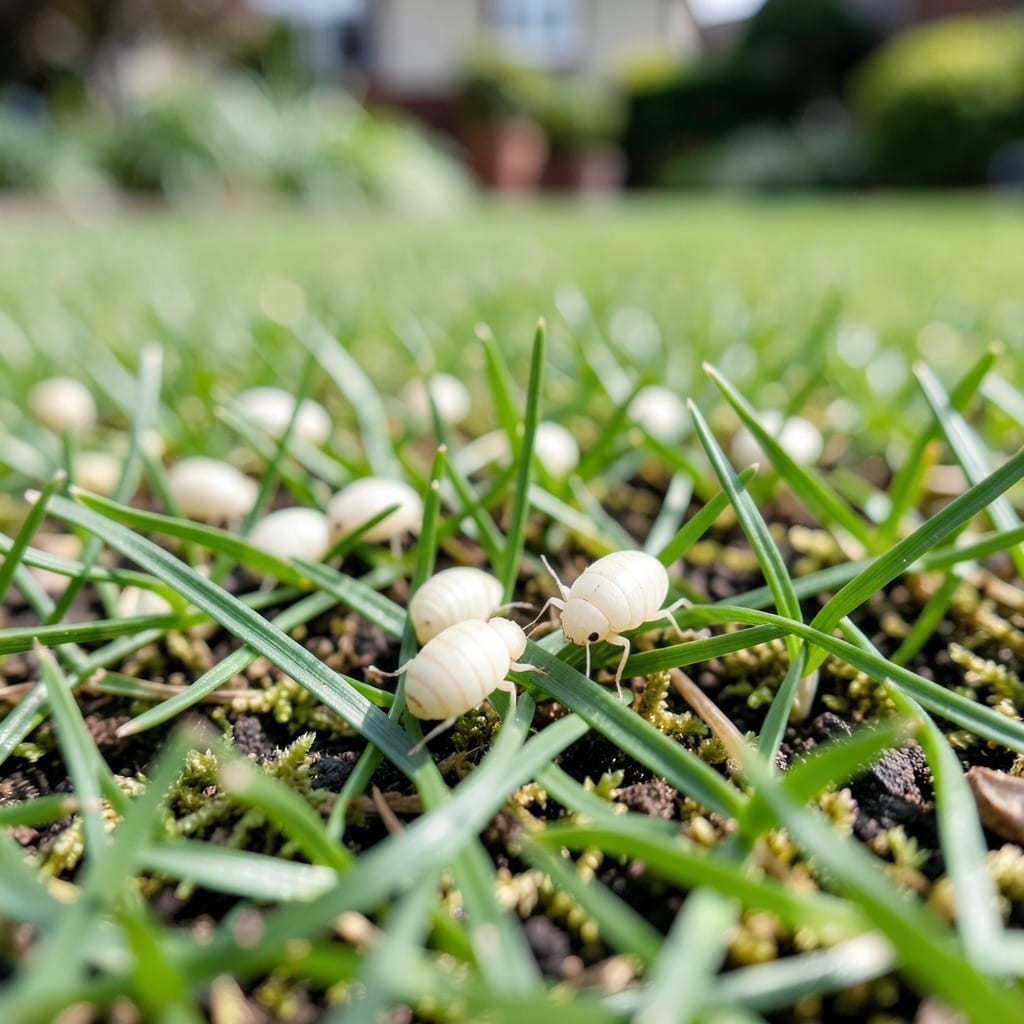
Those tiny white pests in your grass aren’t just unsightly—they’re eating your lawn alive. I’ve battled this exact problem, and the solution starts with proper identification before they spread.
These invaders often signal grubs, whiteflies, or mealybugs, each requiring a different approach. Left unchecked, they’ll turn healthy green patches into brown, dying spots within 2-3 weeks.
Organic treatments like nematodes or neem oil work surprisingly well. Chemical options deliver faster results but need careful timing to avoid harming beneficial insects.
Prevention is simpler than you think: consistent mowing, proper watering, and seasonal soil treatments keep them from returning next year.
Small white bugs in your lawn often appear due to a mix of environmental and biological factors. Understanding these causes helps you tackle the root of the problem effectively.
Excess moisture creates the perfect breeding ground for white bugs like springtails or white grubs. Overwatered lawns or areas with poor drainage retain humidity, which these pests thrive in. Soil that stays soggy for prolonged periods encourages fungal growth, too, which attracts some species.
A thick layer of thatched grass, fallen leaves, or decomposed plant matter provides shelter and food for small white insects. Fungus gnats and mealybugs often flourish in such environments, as they feed on decaying organic material. Regularly raking and aerating your lawn reduces their habitat.
Many white lawn pests, such as clover mites or aphids, reproduce rapidly in warm, humid conditions. Spring and early summer are peak times for infestations, as these insects lay eggs that hatch quickly in moist, temperate soil. Monitoring weather patterns can help you anticipate and prevent outbreaks.
Soil with high nitrogen levels or imbalanced pH can attract certain pests. For example, white grubs (larvae of beetles) prefer nutrient-rich, slightly acidic soil. Testing your soil and adjusting its composition can make your lawn less inviting to these invaders.
Tackling small white bugs in your lawn starts with identifying the culprit and applying targeted fixes. Below are practical solutions for common causes, paired with prevention tips to keep your turf thriving.
Fungus gnats and other moisture-loving pests thrive in soggy soil. Fix: Reduce watering frequency—aim for deep, infrequent sessions (1–1.5 inches per week, including rainfall). Water early in the morning to allow the lawn to dry by evening. Prevention: Improve drainage by aerating compacted soil and amending with compost.
A thick thatch layer shelters bugs like springtails. Fix: Use a dethatching rake or machine to remove the excess layer (more than ½ inch). Follow up with core aeration to improve airflow. Prevention: Avoid over-fertilizing with nitrogen-heavy products, which accelerate thatch buildup.
White grubs and other soil-dwelling pests weaken roots. Fix: Apply beneficial nematodes (e.g., Heterorhabditis bacteriophora) to target larvae naturally. Follow package instructions for timing and application rates. Prevention: Maintain balanced soil pH (6.0–7.0) and top-dress with compost annually.
For visible clusters (e.g., mealybugs or aphids), a DIY insecticidal soap spray works wonders. Fix: Mix 1 tbsp mild liquid soap with 1 quart of water and spray directly on pests. Reapply every 4–7 days as needed. Prevention: Encourage natural predators like ladybugs by planting pollinator-friendly flowers nearby.
💡 Pro Tip: Always test treatments on a small patch first to avoid damaging your lawn. Combine fixes with regular mowing (keep grass at 3–4 inches) to discourage pests and promote a dense, healthy turf.
Yes, many small white pests like grubs and mealybugs feed on roots and organic matter, weakening your lawn. Left untreated, they can cause brown patches and stunted growth within 2-3 weeks.
A DIY soap spray (1 tbsp mild soap per 1 quart of water) works well for visible clusters. Reapply every 4-7 days for best results. Always test on a small area first.
Improve drainage, remove thatch buildup, and maintain balanced soil pH. Regular mowing at 3-4 inches and seasonal nematode treatments also help deter future infestations.