
Beautiful Plants For Your Interior
Beautiful Plants For Your Interior
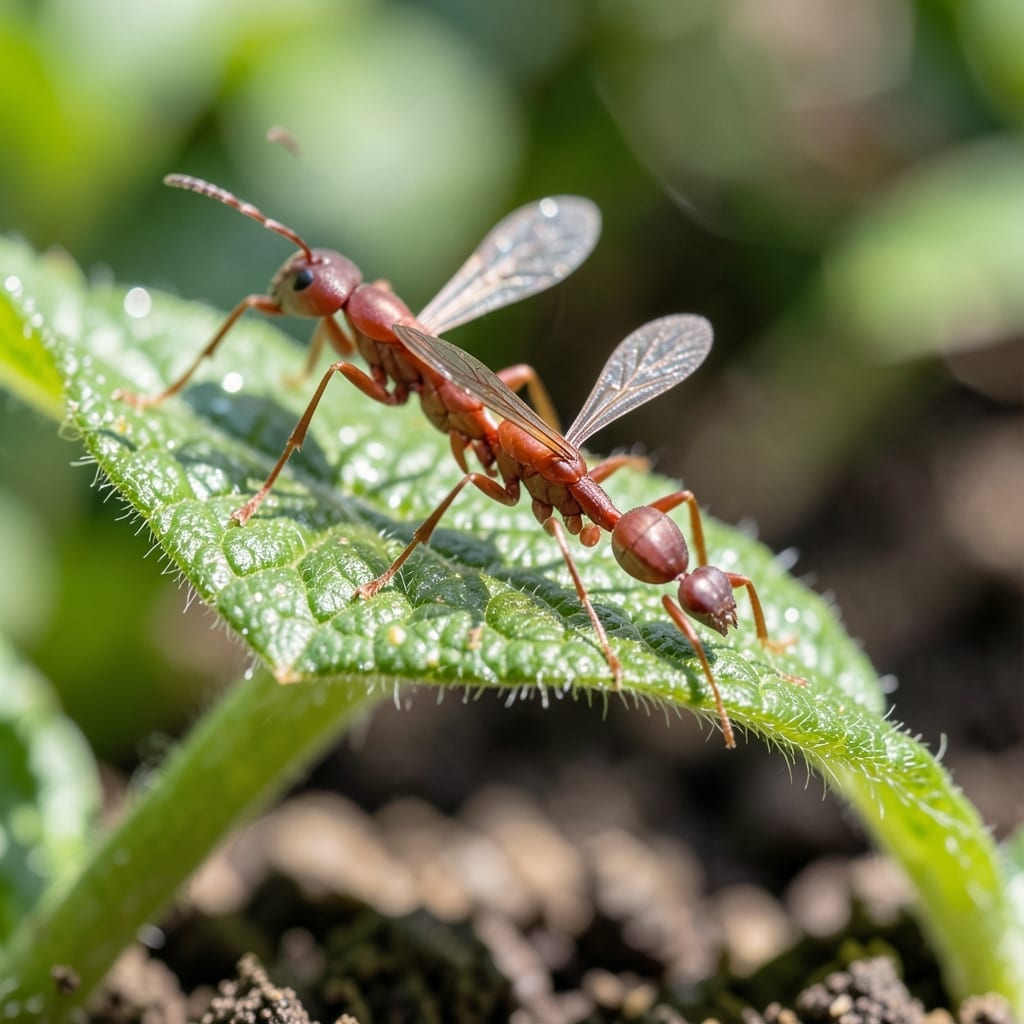
I first noticed them swarming near my kitchen window last spring. Tiny red ants with wings—more than I’d ever seen in one place. It was unsettling, but I soon learned these are reproductive ants on their mating flight.
They don’t bite or damage plants, but nobody wants them indoors. The good news is they’re temporary. These winged ants appear once a year, usually in spring or summer, and disappear just as quickly.
You can prevent them with simple steps: seal entry points, eliminate food sources, and maintain a clean space. A little vigilance keeps your home ant-free during their brief flying phase.
Outdoors, they’re harmless and even beneficial as pollinators. The key is keeping them where they belong—outside your living space.
Seeing winged red ants indoors often signals a mature ant colony preparing to expand. These reproductive ants, called alates, emerge under specific conditions. Below are the primary biological and environmental triggers behind their appearance.
Most ant species, including fiery red varieties like Solenopsis (fire ants), produce winged males and females during nuptial flight season. This typically occurs in warm, humid weather—often spring or early summer. The wings allow them to fly away, mate mid-air, and establish new colonies. If you spot them inside, it’s a sign an existing nest nearby has reached this stage.
Colonies may produce alates in response to overcrowding or resource scarcity. When food or space becomes limited, the colony triggers reproductive development to relocate. Heavy rainfall or drought can also accelerate this process, forcing ants to seek new habitats. Winged ants indoors may indicate a nest under your foundation or in wall voids reacting to these pressures.
Physical disruption—like construction, landscaping, or pesticide use—can prompt a colony to produce winged ants prematurely. Disturbed nests often release alates as a survival tactic, hoping some will escape and found new colonies elsewhere. If you’ve recently treated your yard or moved soil, this could explain their sudden appearance.
Dealing with winged red ants? Here’s how to tackle the problem based on the root cause:
Inspect moist areas like under sinks, basements, or near pipes for nests. Use borax-based baits or insecticide dusts labeled for ants. Apply directly into cracks or voids where they’re active. Prevention tip: Fix leaks and reduce humidity with a dehumidifier. 💡
Treat the exterior with granular ant baits or liquid sprays around foundations, windows, and entry points. Focus on trails or mounds. Prevention tip: Trim vegetation touching your home and store firewood away from walls. ✨
Caulk cracks in walls, doors, and utility lines. Install door sweeps and repair torn screens. Prevention tip: Regularly check for new gaps, especially after storms. 🎯
Store food in airtight containers, clean spills immediately, and take out trash frequently. Wipe counters with vinegar or soapy water to erase scent trails. Prevention tip: Keep pet bowls clean and avoid leaving pet food out. 🍎
For severe infestations, consider professional pest control. Act fast—these ants reproduce quickly!
Not always. While some winged red ants are fire ants, others may be different species. Fire ants are aggressive, while many winged red ants are harmless. Check for a mound nest to confirm fire ants.
Typically a few days to 2 weeks during mating season. They disappear once mating is complete. If they linger, you may have an indoor nest requiring treatment.
Most winged red ants don’t bite, but fire ant variants can sting painfully. Avoid handling them. If stung, clean the area and apply ice to reduce swelling.
They’re likely drawn indoors by warmth or light during mating flights. Seal windows and turn off outdoor lights at night to deter them.