
Beautiful Plants For Your Interior
Beautiful Plants For Your Interior
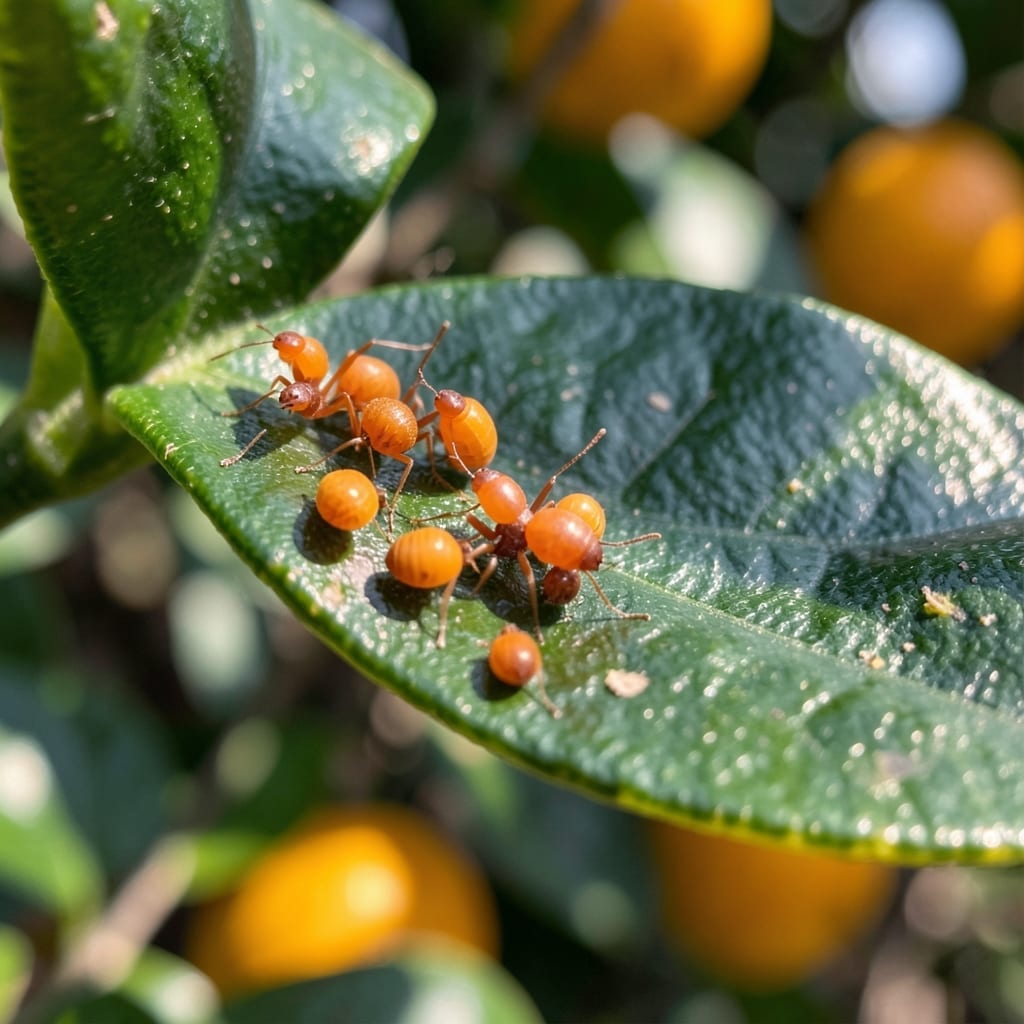
Tiny orange invaders on your leaves can be either garden heroes or silent plant killers. I learned the hard way to check for spots, wings, and movement patterns before declaring war.
Ladybugs bring good luck and eat pests, while aphids and mites suck the life from your plants. The difference often comes down to a magnifying glass and knowing what to look for.
A strong blast from the hose removes most soft-bodied pests immediately. For stubborn infestations, I reach for neem oil or insecticidal soap—both organic and effective.
Prevention starts with healthy soil and regular plant inspections. Catching these bugs early saves you weeks of frustration and potential plant loss.
The presence of small orange bugs on your plants is rarely random—they’re drawn by specific conditions or plant stressors. Below are the most common scientific triggers, each with clear, actionable insight.
Excess moisture creates the perfect breeding ground for pests like aphids or spider mites, which often appear orange in their nymph stages. Soggy soil reduces oxygen to roots, weakening plants and making them more susceptible to infestation. Fix: Ensure pots have drainage holes and water only when the top inch of soil is dry.
Plants with high nitrogen levels (from over-fertilizing) produce tender, sap-rich leaves—irresistible to orange mealybugs or scale insects. Conversely, potassium or phosphorus deficiencies stress plants, lowering their natural pest resistance. Fix: Use a balanced, slow-release fertilizer and test soil annually.
Many orange bugs, such as two-spotted spider mites, thrive in hot, arid environments. These pests reproduce rapidly when humidity dips below 40%, especially on houseplants or greenhouse crops. Fix: Increase humidity with pebble trays or mist plants regularly to deter mite outbreaks.
In outdoor gardens, the absence of beneficial insects (like ladybugs or lacewings) allows orange pest populations to explode. Monoculture planting or pesticide overuse can disrupt this balance. Fix: Introduce predator insects or plant companion flowers (e.g., marigolds, alyssum) to restore ecological checks.
Tackling those tiny orange invaders doesn’t have to be a battle. Here’s how to reclaim your plants with simple, effective fixes for every common cause.
If soggy soil is attracting bugs, repot your plant in fresh, well-draining mix. Add perlite or sand to boost airflow. Prevention tip: Water only when the top inch of soil is dry—use your finger to test! 💡
Mix 1 tsp mild liquid soap with 1 quart of water and spray directly on bugs. Reapply every 2-3 days until they’re gone. Prevention tip: Introduce ladybugs or lacewings—they’ll feast on aphids naturally! ✨
Remove infected leaves and apply neem oil (diluted per label instructions) to stop fungal spread. Prevention tip: Space plants apart for better air circulation. 🌬️
Weak plants attract pests. Mix compost into the soil or use organic fertilizer to strengthen them. Prevention tip: Rotate crops yearly to avoid soil depletion. 🌱
Pro tip: Inspect plants weekly—catching bugs early makes treatment easier! 🎯
No, some like ladybugs are beneficial predators. Harmful ones include aphids and spider mites which damage plants by sucking sap. Always identify first before taking action.
Encourage beneficial insects like lacewings and maintain healthy soil. Neem oil sprays also deter pests without chemicals. Regular inspections catch issues early.
A strong blast of water dislodges most soft-bodied pests immediately. For stubborn infestations, use insecticidal soap or 1 tsp soap per quart of water spray.