
Beautiful Plants For Your Interior
Beautiful Plants For Your Interior
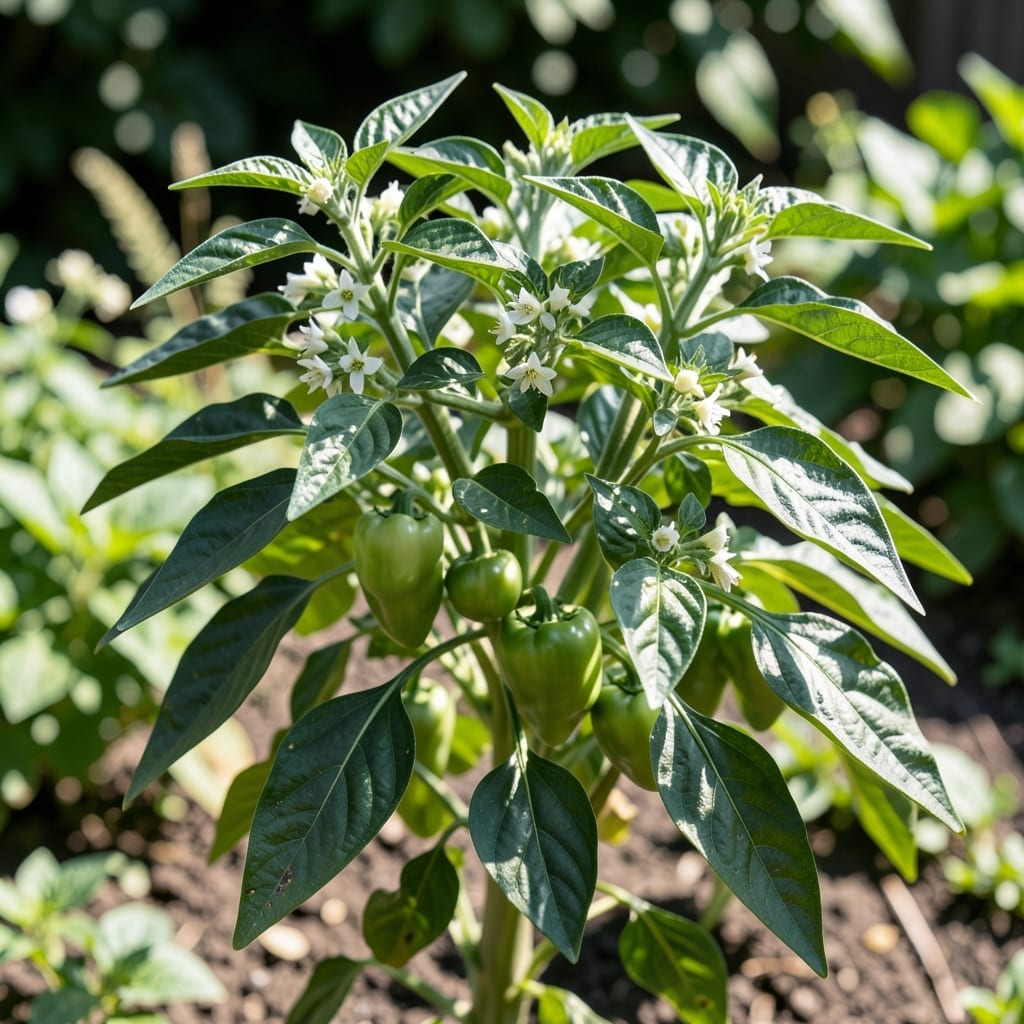
Growing small light green peppers can be incredibly rewarding, but getting the light conditions right is the key to abundant, flavorful harvests. Whether you’re a beginner or seasoned gardener, understanding their needs will transform your crop.
I’ve learned that 🌶️ Peppers thrive with the right balance of sunlight, and even small adjustments can make a big difference. These vibrant plants need consistent light to develop their signature color and crisp texture.
In this guide, I’ll share exactly how to provide the ideal conditions for your peppers to flourish. You’ll discover practical tips that work whether you’re planting in a garden, on a balcony, or indoors.
From seedlings to harvest, light plays a crucial role at every stage. Let’s dive into what it takes to grow the best small light green peppers you’ve ever tasted.

If you want small light green peppers to thrive, sunlight is non-negotiable. These plants are sun-worshippers, needing 6-8 hours daily of direct light to produce their best yield. Without enough light, they’ll grow leggy and weak, struggling to form fruit.
I’ve found that morning sunlight is particularly beneficial, as it’s less intense than the afternoon rays. This helps prevent leaf scorching while still providing the energy needed for photosynthesis and growth.
| Requirement | Specification |
|---|---|
| Daily Sunlight | 6-8 hours of direct light |
| Light Type | Full sun, direct exposure |
| Best Window Direction | South-facing for indoor setups |
| Shade Tolerance | Low, avoid heavy shade |
| Light Window | 8 AM – 4 PM optimal |
During the seedling stage, I recommend starting with 12-14 hours of light under grow lights if you’re indoors. This mimics the long days of spring and encourages strong stem development before transplanting.
Once your peppers are in the ground, monitor their leaf color and growth. Pale or yellowing leaves often signal insufficient light, while brown, crispy edges can indicate sunburn from too much direct exposure.
For gardeners in hotter climates, like USDA zones 9-11, providing afternoon shade can prevent heat stress. I use shade cloth with 30% coverage during peak summer months to protect my plants.
If you’re growing in containers, place them where they can get maximum sunlight. Balconies, patios, or rooftops often work well. Just be sure to rotate the pots occasionally for even light distribution.
North-facing windows are rarely sufficient for peppers, as they receive the least direct light. If that’s your only option, supplement with grow lights to meet their daily requirements.
Remember, consistent light is key. Peppers that receive erratic sunlight may drop flowers or produce smaller fruits. Aim for a stable light environment throughout the growing season.
In my experience, small light green peppers respond best to a combination of morning sun and dappled afternoon light. This balance promotes healthy foliage and abundant fruiting without the risk of heat damage.
Finally, don’t forget to adjust for seasonal changes. As days shorten in fall, your peppers may need a sunnier spot to maintain productivity.
☀️When growing small light green peppers, light issues often appear as leggy seedlings or stunted growth. These problems usually stem from insufficient sunlight. Peppers need 6-8 hours daily to thrive and develop strong stems.
Another common issue is sunburned leaves, which occur when plants receive too much direct sun without acclimation. This is especially true for young plants moved suddenly from shade to full sun.
⚠️ Watch For These Signs
• Leggy seedlings: Insufficient light, move to brighter location
• Yellow leaves: Too much sun, provide afternoon shade
• Poor fruiting: Inadequate light, ensure 6-8 hours daily
To fix leggy seedlings, move them to a sunnier spot immediately. If growing indoors, consider supplementing with grow lights placed 2-4 inches above the plants for 14-16 hours daily.
For sunburned peppers, create temporary shade using shade cloth or move potted plants to a location with dappled sunlight. Gradually reintroduce them to full sun over 7-10 days.
If your plants aren’t fruiting, check their light exposure. Peppers in partial shade may produce fewer fruits. Relocate to a full-sun area or use reflective surfaces to maximize light.
Remember, consistent light is key. Even a few days of insufficient sunlight can slow growth. Monitor your plants daily and adjust their position as the sun’s angle changes.
With proper light management, your small light green peppers will reward you with a bountiful harvest. 🌱