
Beautiful Plants For Your Interior
Beautiful Plants For Your Interior
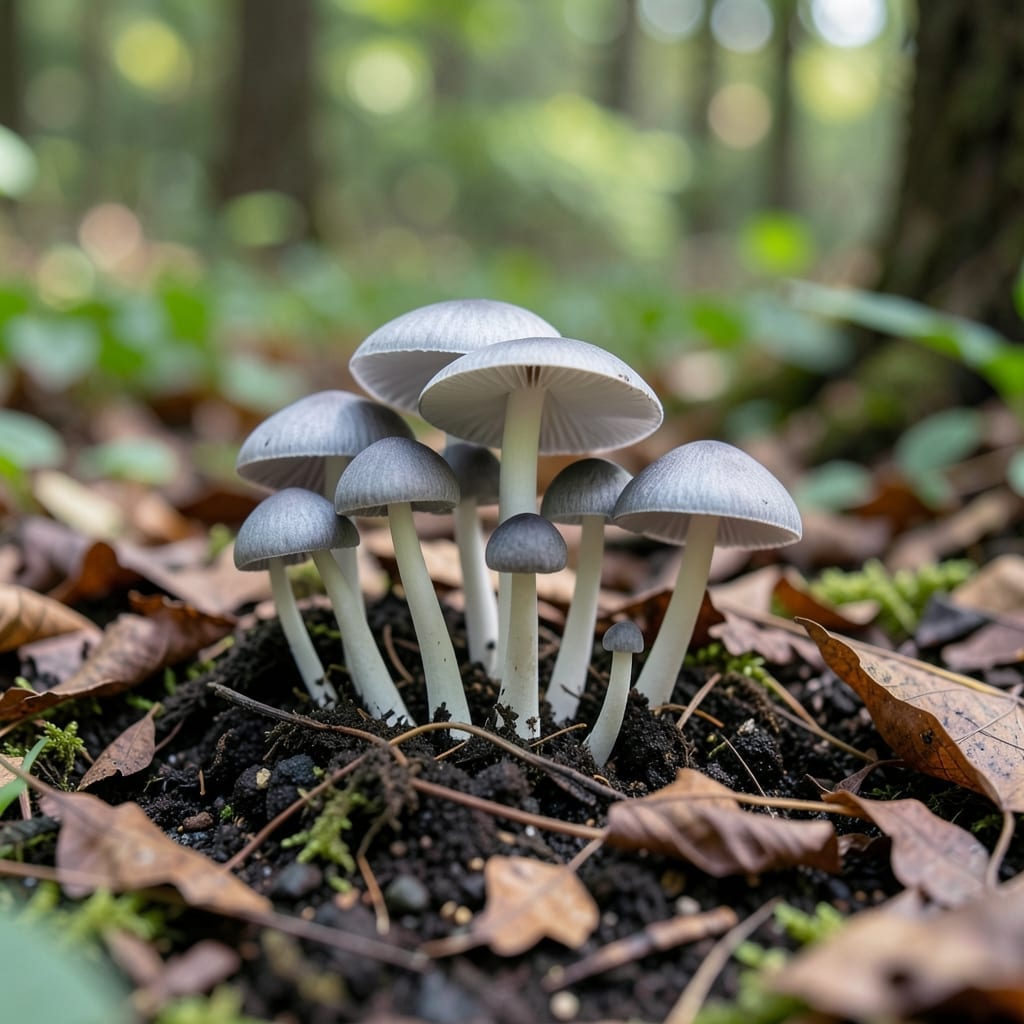
I spotted those little grey mushrooms popping up overnight. They’re not pretty, and they’re definitely not invited guests in your garden beds.
These fungi usually mean too much moisture and decaying organic matter under the surface. Left alone, they’ll spread spores and keep coming back every time it rains.
Removing them safely is simple: wear gloves, pull them up from the base, and dispose of them in a sealed bag. Don’t compost them—that just spreads the problem.
Prevent future outbreaks by improving drainage and clearing old leaves or wood. A little effort now saves you a lot of headache later.
Small grey mushrooms popping up in your garden are a sign of fungal activity, often triggered by specific environmental conditions. Here’s why they appear:
Fungi thrive in damp environments. Overwatering, poor drainage, or prolonged rain can create the perfect breeding ground for grey mushrooms like Mycena or Coprinellus species. These fungi decompose organic matter, so soggy soil or decaying mulch accelerates their growth.
Grey mushrooms often sprout from decomposing wood, leaves, or compost. If your garden has untreated wood chips, old stumps, or thick layers of leaf litter, fungi break them down, producing visible fruiting bodies (mushrooms) as part of their life cycle.
Cool, humid weather (50–70°F) is ideal for many grey mushroom species. Spring and fall seasons often see spikes in fungal growth as temperatures and moisture levels align. Shaded, poorly ventilated areas retain these conditions longer.
Tilling, digging, or adding new topsoil can expose dormant fungal spores to oxygen and moisture, triggering germination. Construction debris or buried wood in the soil may also introduce new fungal colonies.
Actionable Tip: Reduce moisture, remove decaying matter, and improve airflow to discourage future growth.
Dealing with small grey mushrooms in your garden? Here’s how to tackle each underlying cause with simple, effective fixes.
Fix: Reduce watering frequency and improve drainage. If the soil stays soggy, mix in compost or sand to loosen it. For existing mushrooms, gently dig them up (wear gloves!) and dispose of them in a sealed bag to prevent spores from spreading.
Prevention: Water only when the top inch of soil is dry. Consider raised beds or installing a French drain for better water flow.
Fix: Remove old mulch, fallen leaves, or rotting wood where mushrooms thrive. Replace with fresh, well-aged mulch. For stubborn patches, apply a thin layer of baking soda or a natural fungicide like neem oil to discourage regrowth.
Prevention: Regularly clear garden debris and turn over soil to expose and dry out hidden organic material.
Fix: Aerate the soil with a garden fork to break up compaction and disrupt fungal networks. If the soil is too rich, balance it by adding balanced fertilizer or gypsum to reduce excess organic content.
Prevention: Avoid over-fertilizing and rotate plant types to prevent nutrient buildup that attracts fungi.
Fix: Trim back overhanging branches or nearby plants to increase sunlight and airflow. Use a fan or space plants farther apart to reduce humidity.
Prevention: Choose sun-loving plants for shady areas or opt for drought-tolerant ground covers that discourage fungal growth.
💡 Pro Tip: If mushrooms persist, a 1:10 vinegar-water spray can act as a natural fungicide—just avoid spraying it on plants you want to keep!
Most small grey garden mushrooms are saprophytic, meaning they decompose dead organic matter. They don’t directly harm plants but may indicate conditions that could.
Yes, but always wear gloves to avoid skin irritation. Pull them at the base and dispose in a sealed bag to prevent spores from spreading.
Improve drainage, remove decaying debris, and increase sunlight. Regularly turn over soil and avoid overwatering to discourage regrowth.
They thrive in cool, damp conditions, especially after rain or in shaded areas. Temperatures between 50-70°F are ideal for their growth.