
Beautiful Plants For Your Interior
Beautiful Plants For Your Interior
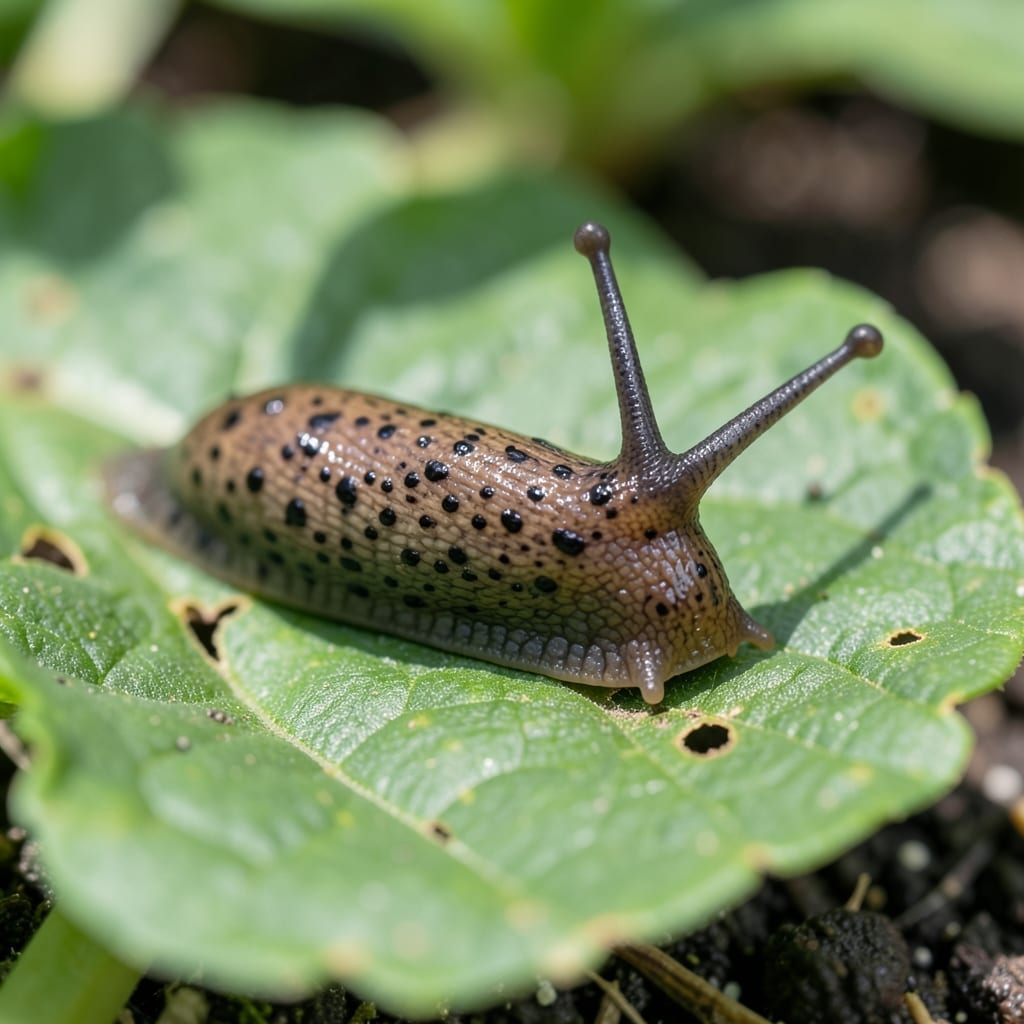
Black spots on slugs mean trouble for your garden. I first noticed these marked pests munching my hostas overnight, leaving silvery trails and jagged holes in leaves.
These aren’t ordinary slugs—they’re carriers of fungal infections that can spread to your plants. The damage compounds quickly, with young seedlings often disappearing entirely within days of an infestation.
I’ve tested every remedy from beer traps to copper tape. The most consistent results come from a combination approach: manual removal at dusk, organic barriers, and targeted baits that won’t harm beneficial insects.
Prevention is simpler than cure. Clear debris, reduce moisture, and create unappealing conditions for slugs before they become a problem. Your garden will thank you.
Black spots on slugs often stem from biological and environmental triggers. Below are the primary causes, explained with actionable insights for gardeners.
Fungi like Mucor or Beauveria thrive in damp, warm conditions. These pathogens infect slugs through their moist skin, forming dark, spore-filled lesions. Overwatered soil or poor drainage accelerates fungal growth. Action: Reduce irrigation and improve airflow around plants.
Bacteria such as Pseudomonas can penetrate slug tissues, causing necrotic (black) patches. This often follows physical injury (e.g., predator attacks). Action: Remove injured slugs promptly to prevent bacterial spread.
Extreme heat or UV exposure can burn slug skin, leading to dark scarring. Slugs lack protective pigments, making them vulnerable. Action: Provide shade (e.g., mulch) and water during peak sunlight hours.
Contact with chemical pesticides (e.g., copper-based slug pellets) may cause localized tissue death, appearing as black spots. Action: Opt for organic controls like diatomaceous earth or beer traps.
Dealing with black-spotted slugs in your garden? Here are practical fixes for common causes, along with prevention tips to keep your plants safe.
If the spots are due to a fungal issue, treat the affected slugs and plants with a copper-based fungicide. Spray it directly on the slugs (if safe for your garden ecosystem) and the surrounding soil. Remove heavily infested plants to prevent spread. Prevention tip: 💡 Improve airflow between plants and avoid overwatering to reduce fungal growth.
Parasites or mites causing black spots? Encourage natural predators like ground beetles, birds, or toads. You can also handpick slugs and relocate them far from your garden. Prevention tip: 🎯 Keep your garden clean—remove debris and decaying matter where pests thrive.
Unhealthy soil can stress slugs and plants, leading to spots. Mix in compost or well-rotted manure to boost soil fertility. Avoid chemical fertilizers that disrupt the natural balance. Prevention tip: ✨ Regularly test soil pH and adjust as needed for optimal plant health.
Excess moisture creates a breeding ground for fungi and bacteria. Water plants early in the morning so foliage dries quickly. Use drip irrigation to keep leaves dry. Prevention tip: 🌡️ Mulch around plants to retain moisture without waterlogging.
By addressing the root cause and following these steps, you can restore your garden’s health and keep slugs—and their spots—at bay!
Yes, they can be. The spots often indicate fungal or bacterial infections that may spread to your plants, causing damage or disease. Remove affected slugs immediately to prevent contamination.
Salt will kill slugs but can also harm your soil and plants. Avoid this method in garden beds. Instead, use organic options like beer traps or diatomaceous earth for safer control.
Reduce moisture by watering in the morning and clearing debris where slugs hide. Copper barriers or crushed eggshells around plants also deter them effectively.