
Beautiful Plants For Your Interior
Beautiful Plants For Your Interior
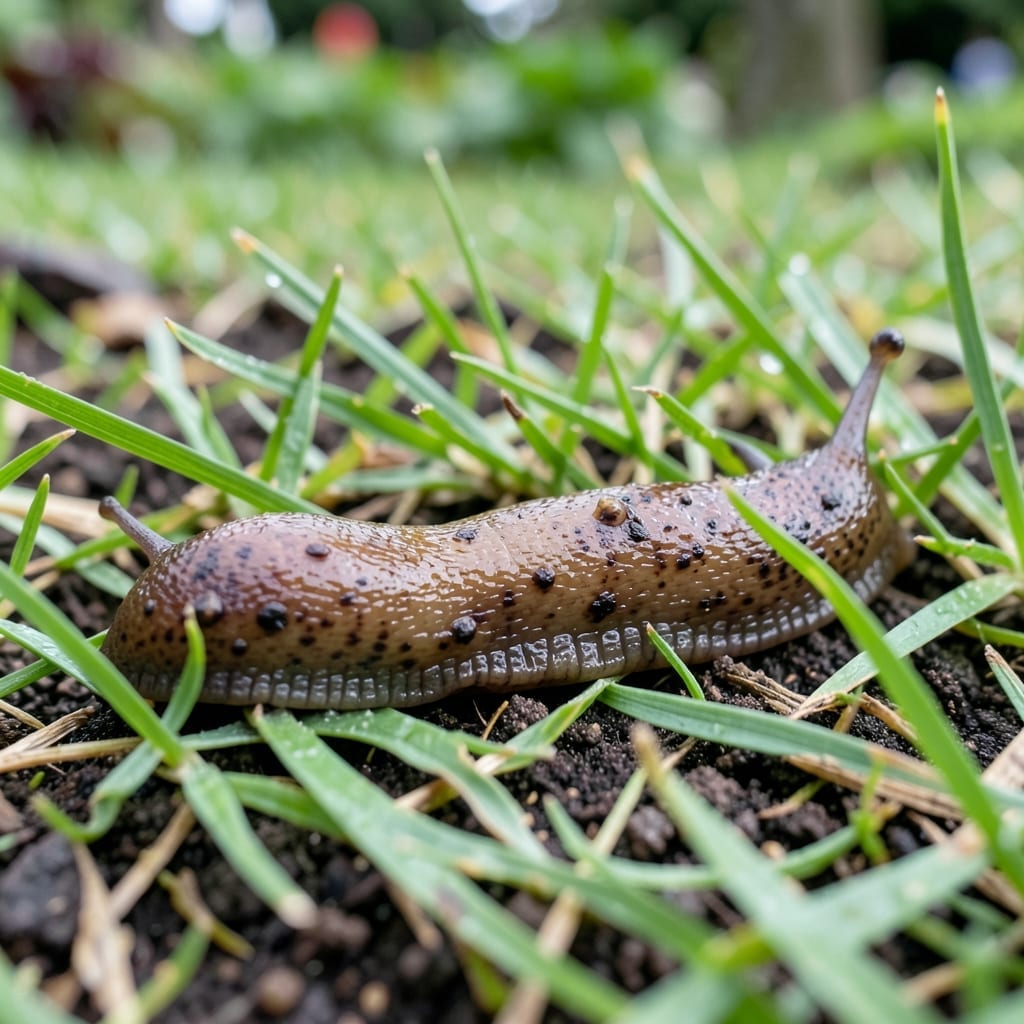
Woke up to a lawn that looked like Swiss cheese overnight. Slugs turn grass into their personal buffet, leaving silvery trails and ragged holes in their wake.
I’ve battled these slimy invaders for years, and the key is catching them early. A flashlight and a late-night inspection reveal the culprits—then it’s time to act before they multiply.
Organic solutions work fast if you’re consistent. Beer traps, diatomaceous earth, and copper barriers create a slug-free zone without harsh chemicals.
Long-term, aerating the soil and reducing moisture cuts their survival rate. Your lawn recovers within weeks with the right approach.
Slugs thrive in specific conditions, and understanding these triggers can help you address the root of the problem. Here’s why your lawn might be under siege:
Slugs are attracted to damp environments, as moisture is critical for their survival. Overwatering your lawn, poor drainage, or frequent rain can create the perfect breeding ground. Standing water or consistently wet soil provides the humidity slugs need to stay active and reproduce rapidly.
A lawn littered with fallen leaves, grass clippings, or mulch offers slugs both shelter and food. These materials retain moisture and create hidden, cozy spots for slugs to hide during the day. Reducing debris removes their favorite habitats and food sources.
Tall grass, dense ground covers, or unkempt garden beds provide shade and protection from predators and sunlight. Slugs prefer these areas to lay eggs and feed undisturbed. Regular mowing and trimming can disrupt their lifecycle.
Slugs are nocturnal, emerging at night to feed when the air is cooler and more humid. If your lawn lacks natural predators like birds, beetles, or frogs, their population can grow unchecked. Encouraging biodiversity can help keep their numbers in balance.
Tackling a slug problem in your lawn starts with understanding the root causes and applying targeted fixes. Here’s how to reclaim your green space:
Slugs thrive in damp conditions. Water your lawn early in the morning so the surface dries by evening. Fix leaky hoses or sprinklers, and improve drainage in low-lying areas where water pools. Consider aerating compacted soil to help it dry faster.
Remove leaves, grass clippings, and other organic debris where slugs hide during the day. Rake regularly and keep mulch thin near the lawn’s edges. Trim tall grass and weeds to eliminate shady, moist spots they love.
Create physical barriers to protect your lawn. Copper tape around garden beds or lawn borders delivers a mild electric shock to slugs. Alternatively, sprinkle food-grade diatomaceous earth or crushed eggshells—these sharp particles deter them without chemicals.
Encourage slug predators like birds, frogs, and ground beetles. Install a small water feature to attract frogs, or add a birdbath to invite feathered helpers. Avoid pesticides, which can harm these beneficial allies.
Prevention Tips: 💡
Wet weather or overwatering creates perfect conditions for slugs to thrive. They also multiply rapidly when organic debris provides shelter and food.
Yes, beer traps are highly effective. Bury a shallow container filled with beer—the slugs are attracted to it and drown. Replace every 2-3 days for best results.
Remove hiding spots like leaves and tall grass. Use barriers like copper tape or diatomaceous earth. Encourage predators like birds and frogs.
They might if conditions remain favorable. Maintain dry soil, clear debris, and reapply barriers after rain. Consistency keeps them away long-term.