
Beautiful Plants For Your Interior
Beautiful Plants For Your Interior
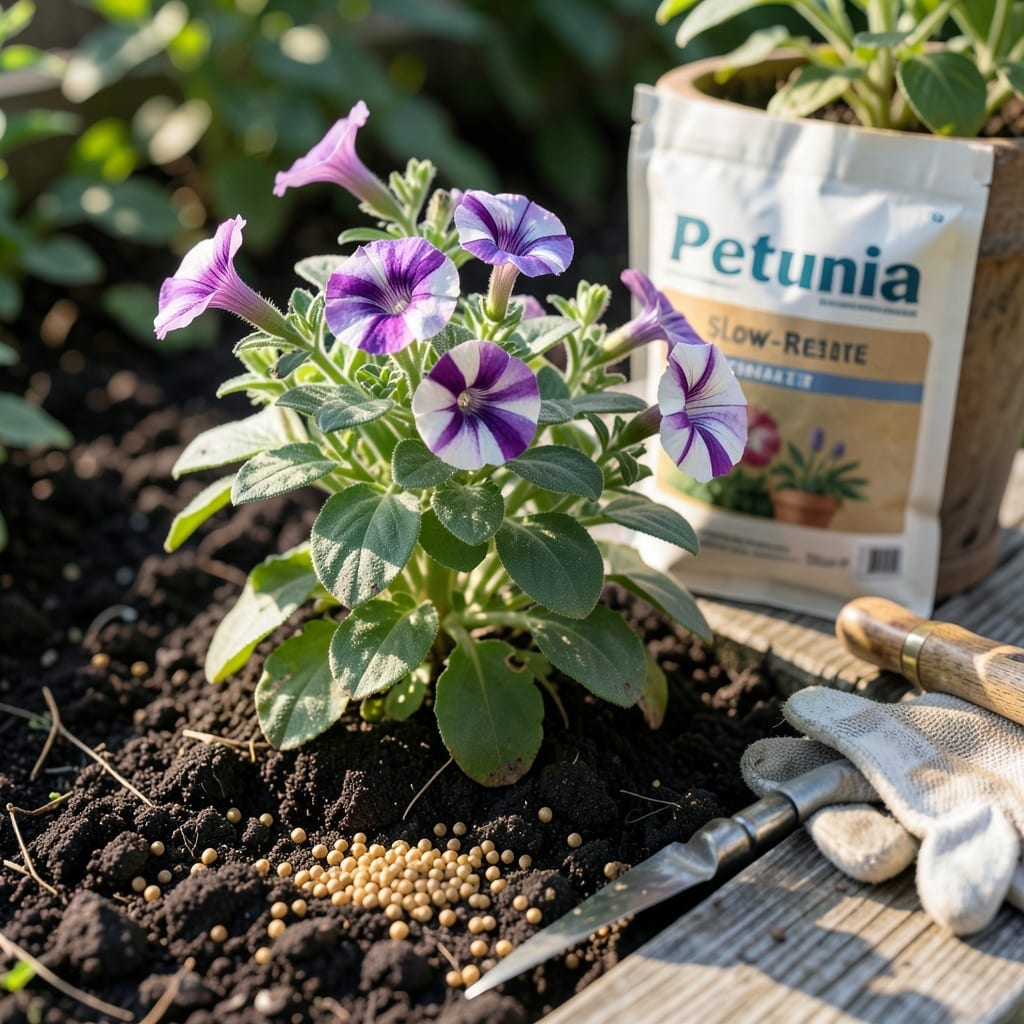
Tired of constantly fertilizing your Petunia 🌸 only to see their vibrant blooms fade too quickly? There’s a better way to keep your garden thriving without the endless upkeep.
Slow release options provide steady nutrition that matches your Petunias’ growth needs. This approach means less work for you and longer-lasting beauty in your garden.
Let me show you how to make the switch and enjoy healthier plants with minimal effort. Your Petunias will thank you with spectacular blooms all season long.
I’ve found that slow release fertilizer is a game-changer for petunias. Unlike traditional fertilizers that flood plants with nutrients all at once, these gradual feeders provide a steady supply over weeks or even months.
This consistent nutrition matches your petunias’ growth rate perfectly, preventing the boom-and-bust cycle that often happens with quick-release options. Your plants get exactly what they need, when they need it.
| Benefit | Details |
|---|---|
| Consistent Feeding | Nutrients released over 8-12 weeks |
| Reduced Burn Risk | Gentler on petunia roots |
| Less Maintenance | 1 application lasts months |
| Balanced Growth | Promotes blooms and foliage |
The science behind it is fascinating. These fertilizers are coated with special materials that control how quickly the nutrients dissolve. Temperature and moisture trigger the release, so your petunias get fed more when they’re actively growing.
I appreciate how this method prevents nutrient waste. With traditional fertilizers, much of the goodness can wash away before plants use it. Slow release options are more efficient, which is better for your plants and your wallet.
For petunias specifically, this feeding method supports their long blooming season. You’ll notice more vibrant colors and healthier plants that can better resist pests and diseases. It’s like giving them a steady diet instead of occasional feasts.
Another advantage is the reduced risk of over-fertilizing. I’ve seen many gardeners accidentally burn their petunias with too much traditional fertilizer. With slow release, this is far less likely to happen.
You’ll also spend less time maintaining your garden. Instead of weekly feedings, you might only need to apply fertilizer every 2-3 months during the growing season. This makes it perfect for busy gardeners.
The environmental benefits are worth noting too. Less fertilizer runs off into waterways, and you’re using fewer resources overall. It’s a more sustainable way to garden.
In my experience, petunias fed with slow release fertilizer also recover better from heat stress and produce more blooms per plant. The steady nutrient supply helps them maintain their vigor throughout the hottest parts of summer.
Try it this season and watch your petunias thrive with minimal effort on your part 🌸
Choosing the right slow release fertilizer can make all the difference for your petunias. I’ve tested various options and found that the best ones provide a balanced NPK ratio tailored to flowering plants.
Look for products with a 10-10-10 or 14-14-14 ratio, which offer equal parts nitrogen, phosphorus, and potassium to support both foliage growth and bloom production.
| Product | NPK Ratio | Duration |
|---|---|---|
| Osmocote Smart-Release | 14-14-14 | 4 months |
| Miracle-Gro Shake ‘n Feed | 10-10-10 | 3 months |
| Scotts Continuous Release | 11-11-11 | 2 months |
| Jobes Organics | 4-4-4 | 8 weeks |
| Dynamite All Purpose | 13-13-13 | 9 months |
For organic gardeners, I recommend Jobes Organics. It’s derived from natural sources and provides gentle, consistent feeding that won’t burn your petunias.
If you want the longest-lasting option, Dynamite All Purpose can feed your plants for up to 9 months. This is perfect for those who want to fertilize once and forget about it for the season.
Osmocote Smart-Release is my top pick for most gardeners. Its 4-month feed matches perfectly with petunia growing seasons, and the 14-14-14 ratio promotes both lush foliage and abundant blooms.