
Beautiful Plants For Your Interior
Beautiful Plants For Your Interior
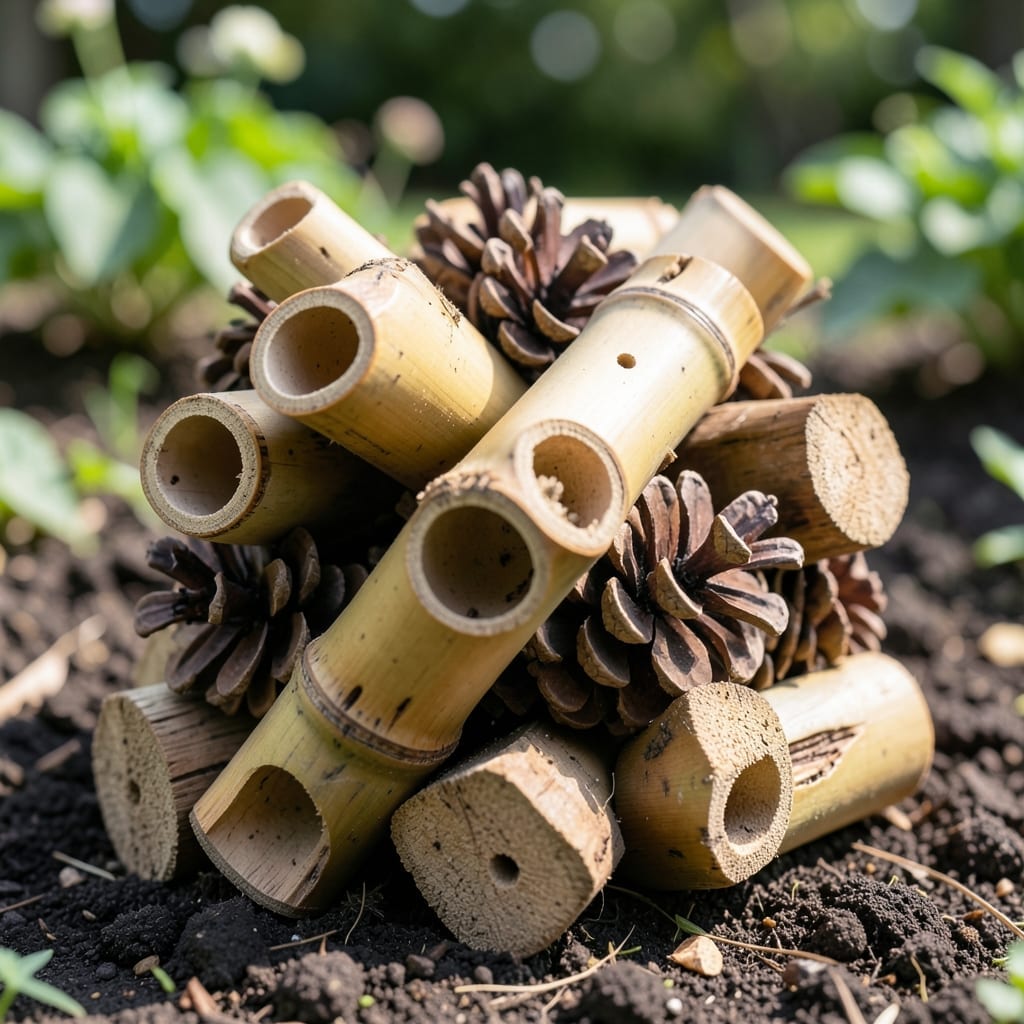
My backyard came alive after adding a bug hotel. 🌿 It’s shocking how quickly beneficial insects move in when you give them a simple wooden structure with natural fillers.
I built my first one in 20 minutes using scrap wood, bamboo canes, and pine cones. The key is creating different sized nooks that welcome bees, ladybugs, and lacewings. These helpers control pests naturally while pollinating your plants.
Within a week, I spotted solitary bees investigating the bamboo tubes. By summer, the hotel was fully occupied, and my garden thrived with fewer pests and more blooms than ever.
Perfect for any garden size, from balconies to large yards. Here’s how to make your own wildlife sanctuary.
Bug hotels sometimes struggle to attract guests, and the reasons often boil down to a few common issues. Understanding these causes can help you build a thriving insect habitat.
Insects seek shelter based on microclimates. A bug hotel placed in full sun or deep shade may not match the temperature and humidity needs of its intended residents. For example, solitary bees prefer warm, sunny spots, while beetles and spiders favor damp, shaded areas. Action: Observe your garden’s natural insect activity and place the hotel where bugs already gather.
Many DIY bug hotels use uniform materials like only pinecones or bamboo, which limits the types of insects that can move in. Different species require varied textures and cavity sizes—e.g., mason bees need 4–6mm holes, while ladybugs prefer loose bark or straw. Action: Mix materials like hollow stems, bark, leaves, and drilled wood to cater to a broader range of guests.
If your materials are treated with pesticides, varnishes, or preservatives, beneficial insects will avoid them. Even residual chemicals from garden sprays can deter occupancy. Action: Use untreated, natural materials and avoid placing the hotel near chemically treated lawns or plants.
Without proper weatherproofing, rain can saturate the hotel, making it inhospitable. For instance, wet bamboo tubes rot, and soggy leaves mold, repelling insects. Action: Elevate the hotel on legs, add a sloped roof, or use a waterproof backing (like a wooden pallet) to keep it dry.
Building a bug hotel is exciting, but even the simplest designs can run into snags. Here’s how to troubleshoot common problems and keep your wildlife haven thriving.
If ants or aphids dominate, your materials may be too uniform. Fix: Swap in varied textures like pinecones, bark, and hollow stems to attract a diverse crowd. Prevention tip: Avoid overpacking—leave gaps for airflow and natural predators like ladybugs. 💡 Pro tip: Add a layer of fine mesh at the base to deter crawling invaders.
Rain can turn your bug hotel into a soggy mess. Fix: Elevate it on bricks or a wooden stand, and angle the roof slightly. Use waterproof materials like cedar or recycled plastic for the outer shell. Prevention tip: Position it under a tree or eave for partial shelter.
If bugs aren’t checking in, your hotel might lack the right amenities. Fix: Add native plants nearby to attract insects, and include small “signposts” like bright flowers or a shallow water dish. Prevention tip: Research local species—tropical bamboo won’t lure native bees!
Organic materials break down over time. Fix: Replace rotting leaves or wood every 6–12 months. Prevention tip: Use a mix of slow-decaying items (e.g., bricks, tiles) and natural fillers to balance longevity and habitability.
With these tweaks, your bug hotel will stay cozy, dry, and bustling with life! ✨
Use a mix of bamboo canes, pine cones, bark, and hollow stems to attract diverse insects. Avoid treated wood or chemicals, as these can harm beneficial bugs. Natural, untreated materials work best for creating safe, inviting spaces.
Elevate your hotel at least 6 inches to prevent moisture damage and deter pests. This also makes it easier for insects to find and access their new home.
Choose a spot with partial shade to protect from extreme heat and rain. A south-facing position is ideal for catching morning sun, which many insects prefer.
Check your hotel every 3-6 months for decay or pest issues. Replace rotting materials and clean out any debris to keep it inviting for new guests.