
Beautiful Plants For Your Interior
Beautiful Plants For Your Interior
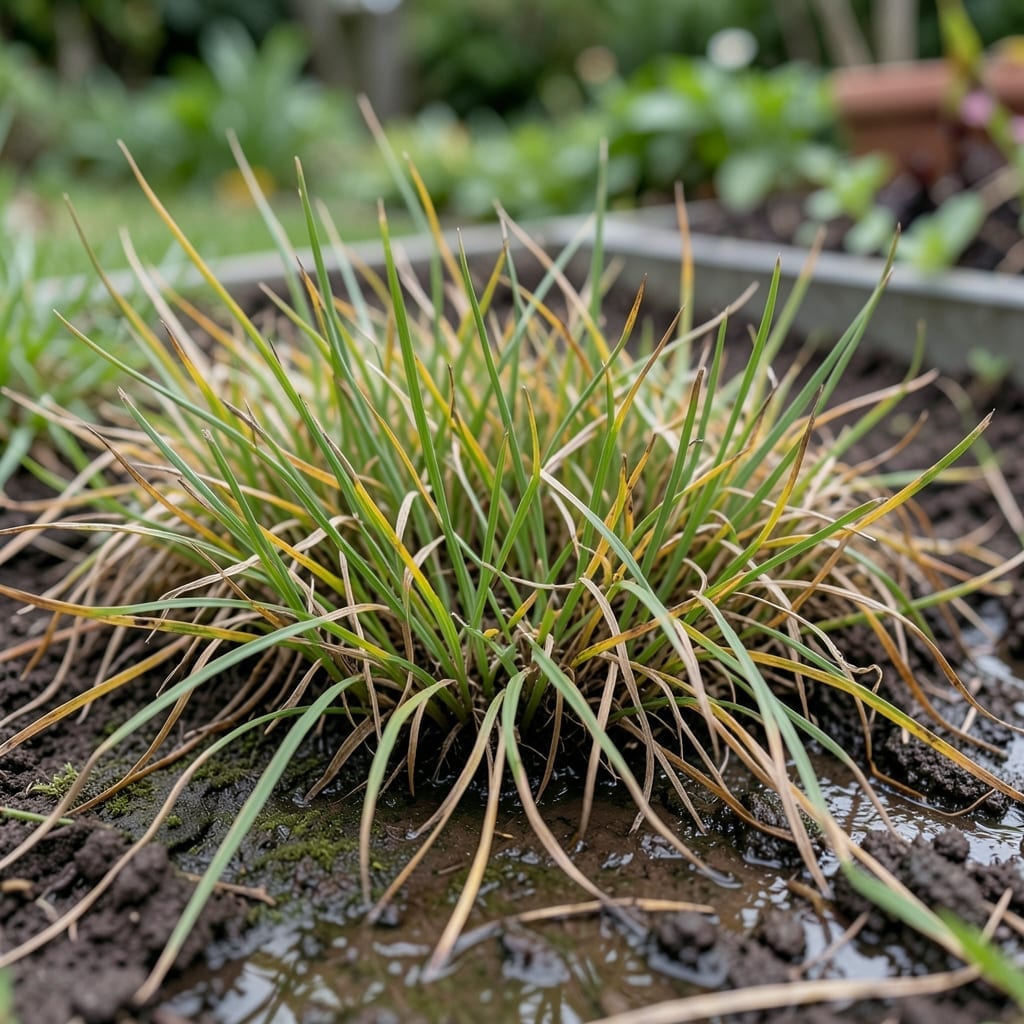
Your lawn feels like a soggy carpet underfoot. I’ve seen this too many times—grass that squishes instead of springs back, with yellow patches spreading like a bad rumor.
The problem isn’t just too much water. It’s what that water does: suffocates roots, invites fungus, and turns your yard into a swampy mess. Most people water on autopilot without checking soil first.
You’ll spot the real giveaways: spongy texture, musty smells, and mushrooms popping up overnight. The grass blades look waterlogged, not drought-stressed.
Fix it with a moisture meter and a 3-day water break. Your lawn will thank you by greening up faster than you’d expect.
Overwatering grass isn’t just about too much water—it’s often about how and when you apply it. Several common factors can turn your lawn into a soggy, struggling mess. Here’s the science behind the most frequent causes:
Soil that can’t drain properly traps water at the root level, suffocating grass. Clay-heavy soils or compacted lawns (from foot traffic or machinery) worsen this. Roots need oxygen, and waterlogged soil displaces air pockets, leading to root rot and nutrient uptake failure.
Many homeowners water daily out of habit, but most grass types only need 1–1.5 inches per week, including rainfall. Frequent, shallow watering encourages weak root systems. Deep, infrequent watering (early morning) allows roots to grow deeper, accessing moisture and oxygen more effectively.
Watering before rain or using a timer without adjusting for weather leads to excess moisture. Cool, cloudy days slow evaporation, while warm, windy days increase it. A rain gauge or smart irrigation controller can prevent overwatering by accounting for natural precipitation.
Low spots or improper grading create pools where water collects. Over time, these areas become waterlogged, starving grass of oxygen. Leveling problem areas or improving soil structure (with compost or sand) helps water distribute evenly.
Overwatered grass can bounce back with the right care. Here’s how to fix common issues and prevent them from happening again.
If your lawn feels spongy underfoot, the soil is likely waterlogged. Aerate the lawn using a garden fork or core aerator to create channels for excess water to drain. For severe cases, mix in sand or compost to improve soil structure. Prevention tip: 💡 Avoid watering during heavy rain or if the soil is already damp.
Yellowing grass often signals too much water. Cut back on watering immediately and let the top inch of soil dry out before resuming. Water deeply but less frequently—early morning is best to reduce evaporation. Prevention tip: 🌡️ Use a moisture meter to check soil dampness before watering.
Overwatering invites fungal diseases like brown patch or dollar spot. Apply a fungicide labeled for lawns, and rake up any affected grass clippings. Prevention tip: ✨ Improve airflow by mowing regularly and avoiding thick thatch buildup.
Shallow roots from overwatering make grass vulnerable. Reduce watering gradually to encourage deeper root growth. Overseed with drought-resistant grass varieties to build resilience. Prevention tip: 🎯 Fertilize lightly to support recovery, but avoid heavy nitrogen during stress periods.
With these fixes, your lawn can recover its lush, green appearance—just give it time and the right conditions!
Press your foot on the grass. If it stays depressed or feels soggy underfoot, the soil is waterlogged. Healthy turf springs back quickly.
Excess water suffocates roots, preventing them from absorbing nutrients. The grass turns yellow as it starves. 1-1.5 inches per week is ideal.
Constant moisture creates the perfect environment for fungi like brown patch. Look for circular discolored areas or mushrooms.
Stop for 3-5 days and let the top 1 inch of soil dry. Resume only when the grass shows signs of stress.