
Beautiful Plants For Your Interior
Beautiful Plants For Your Interior
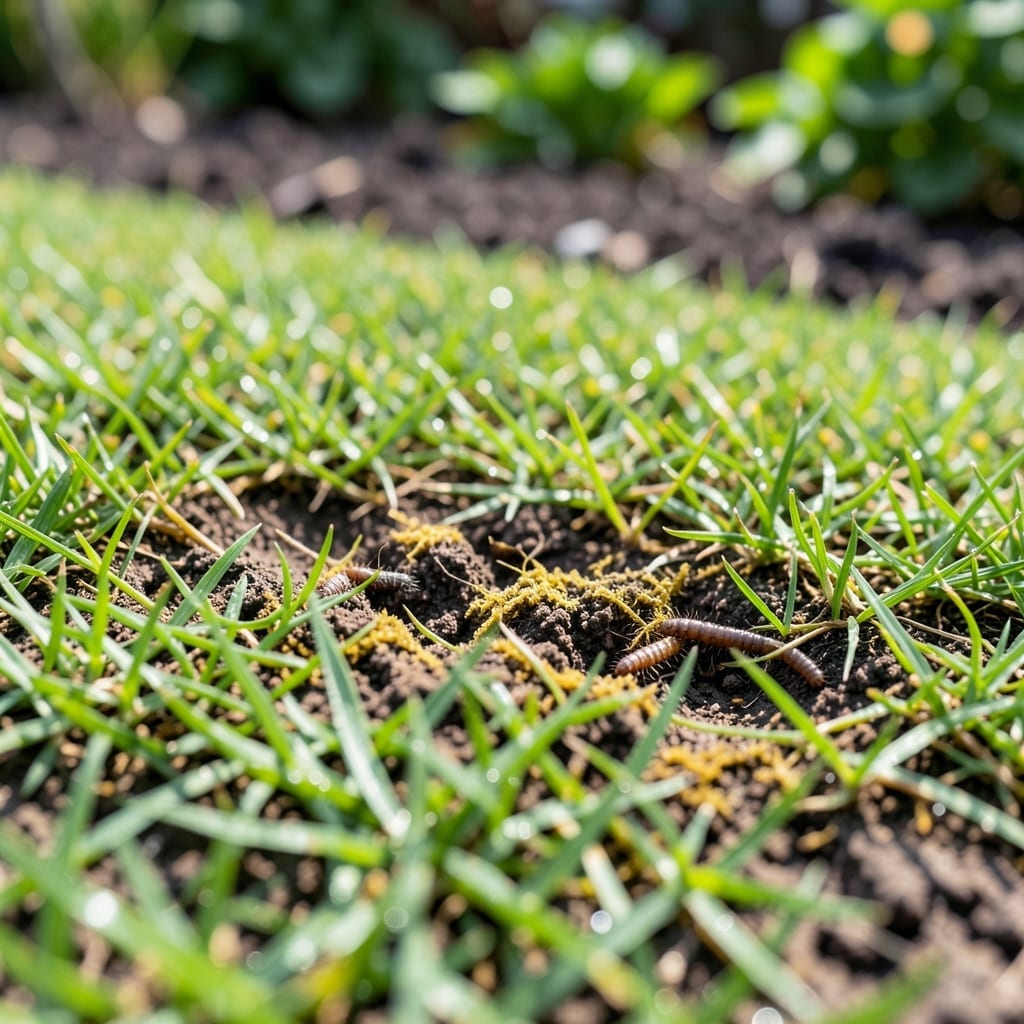
Your lawn should be a green carpet, not a patchy mess. I learned the hard way that those brown spots aren’t always from drought—sometimes they’re from hungry grubs eating the roots beneath the surface.
Catch them early and you can save your grass before it’s too late. The key is knowing what to look for: wilting patches that don’t spring back, loose turf that rolls up like old carpet, and an uptick in moles or skunks digging for a snack.
Left unchecked, grubs turn a lush lawn into a wasteland in 2-3 weeks. But with the right approach, you can stop them in their tracks—whether you prefer organic solutions or targeted treatments.
This isn’t just about saving your grass. It’s about reclaiming your outdoor space before summer hits. Let’s get ahead of the damage.
Grub infestations in lawns don’t happen by accident—they’re the result of specific environmental and biological conditions that attract adult beetles to lay their eggs in your turf. Understanding why these pests appear is the first step to preventing them. Below are the primary causes, explained with actionable insights.
Grubs thrive in moist, well-aerated soil with a temperature range of 60–75°F (15–24°C). Overwatered lawns or areas with poor drainage create the perfect breeding ground for beetle larvae. Additionally, thatch layers thicker than ½ inch trap moisture and heat, making the soil even more inviting for egg-laying adults like Japanese beetles, June bugs, or chafers.
Healthy, dense grass provides food and shelter for grubs. Beetles prefer laying eggs in undisturbed, well-maintained lawns because the roots offer an abundant food source for hatching larvae. Over-fertilized lawns with high nitrogen levels can also attract more beetles, as the tender grass is easier for grubs to consume.
Grub activity peaks in late summer to early fall (August–September) and again in spring (April–May), when adult beetles emerge to mate and lay eggs. During these periods, soil temperature and moisture are at their most favorable. If your lawn has a history of grubs, these are the critical windows to monitor and treat proactively.
A lawn with few natural predators—such as birds, moles, or beneficial nematodes—can lead to unchecked grub populations. Overuse of broad-spectrum pesticides often kills off these helpful organisms, disrupting the ecosystem’s balance and allowing grubs to multiply without resistance.
Once you’ve spotted the signs of grubs in your lawn, act fast to reclaim your green space. Below are targeted solutions for common grub-related issues, plus tips to keep them from returning.
If your lawn has sparse, yellowing, or dead patches that pull up like loose carpet, beneficial nematodes (Heterorhabditis bacteriophora) are your allies. Apply them in the evening when the soil is moist and temperatures are between 42–90°F. Water before and after to help nematodes move through the soil and hunt grubs.
Found white, C-shaped grubs while digging? Apply a grub control product containing imidacloprid or chlorantraniliprole to the affected area. Follow label instructions carefully—most work best when applied in late summer or early fall before grubs grow larger. Water the lawn after application to activate the treatment.
Grubs feed on grass roots, causing the turf to detach easily. After treating the grubs, aerate the lawn to improve soil contact and overseed bare spots. Use a slow-release fertilizer to help new grass establish quickly. Keep the soil consistently moist for the first two weeks.
With the right approach, your lawn can bounce back stronger and more resistant to future infestations. 🌱
Gently tug on the affected grass. If it pulls up easily like loose carpet, grubs are likely the culprit. Healthy grass resists pulling.
Inspect in late summer or early fall when grubs are most active. Look for wilting patches and increased animal digging.
Yes, with proper care. After treating, aerate and overseed bare spots. Keep soil moist for 2 weeks to help new grass establish.
Encourage predators like birds and beneficial nematodes. Mow high and remove thatch to discourage beetles from laying eggs.