
Beautiful Plants For Your Interior
Beautiful Plants For Your Interior
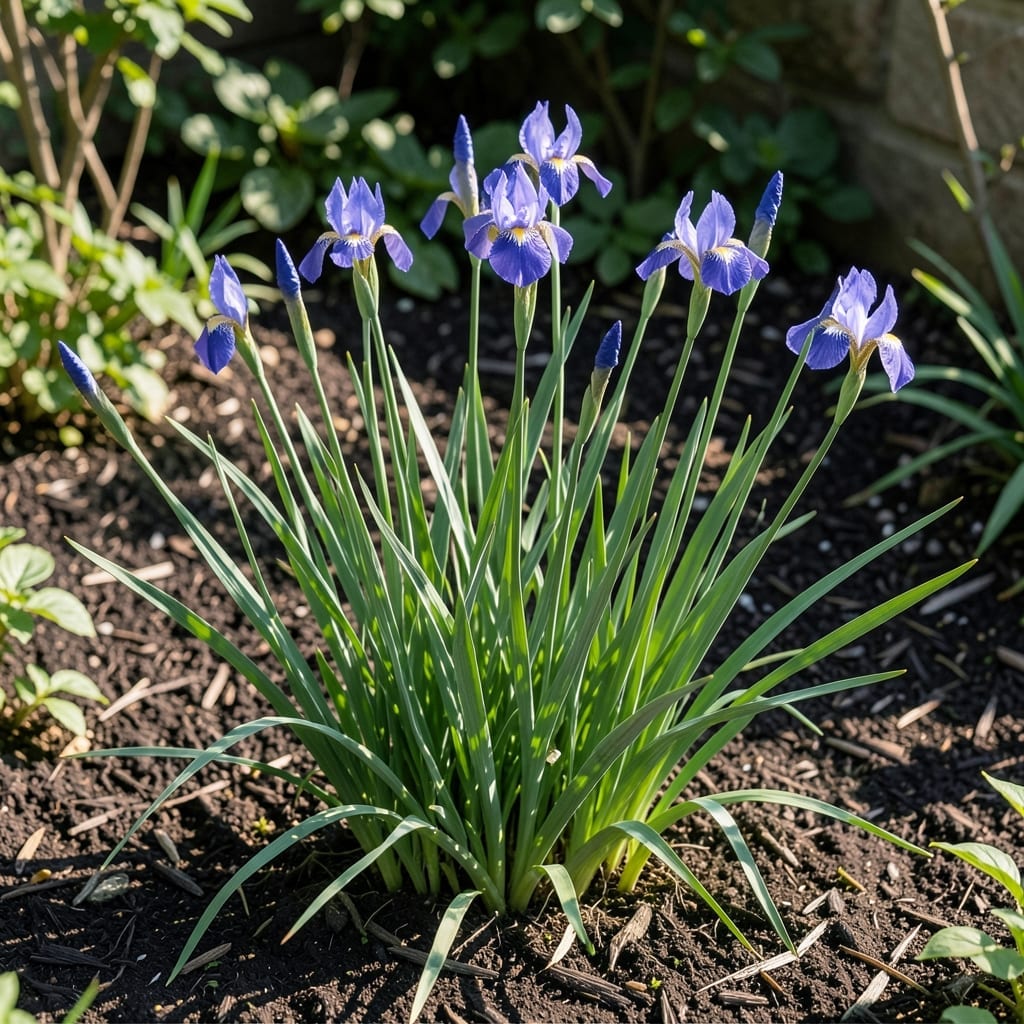
There’s something magical about watching your garden burst to life after a long winter. The Siberian iris 🌸 is one of those plants that makes it all worthwhile with its stunning display.
If you’re planning your spring garden, timing is everything. These beautiful perennials have a specific window when they truly shine, and knowing it can help you create a breathtaking landscape.
I’ve learned that understanding their natural rhythm is the key to maximizing their impact. Whether you’re a seasoned gardener or just starting out, this timing can make all the difference.
Discover how to align your planting and care with their bloom cycle. You’ll be amazed at how much more vibrant your garden can become with just a little strategic planning.
The Siberian iris (Iris sibirica) typically blooms in late spring to early summer, bringing vibrant colors to your garden. This timing can shift slightly based on your USDA hardiness zone and local climate conditions.
In cooler zones (3-5), you’ll often see flowers appear in early June, while warmer regions (6-9) may enjoy blooms as early as late May. The exact timing depends on factors like soil temperature and sunlight exposure. 🌱
| Factor | Impact on Bloom Time |
|---|---|
| Climate Zone | Cooler zones delay blooms; warmer zones accelerate |
| Sunlight | 6+ hours of sun promotes earlier blooms |
| Soil Moisture | Consistently moist soil encourages timely flowering |
| Planting Time | Early fall planting establishes roots for spring blooms |
I’ve noticed that well-established clumps tend to bloom more reliably and abundantly. If your Siberian iris isn’t flowering, it might need more sunlight or better drainage to thrive.
Soil quality plays a big role too. These irises prefer slightly acidic to neutral soil (pH 6.0-7.0). If your soil is too alkaline, the plants may struggle to absorb nutrients, delaying blooms. 🌿
Fertilizing can also influence timing. A balanced fertilizer (5-10-10) applied in early spring gives them a boost. Avoid high-nitrogen feeds, as they promote leafy growth over flowers.
Watering practices matter as well. Keep the soil evenly moist during the growing season, but avoid waterlogging. Too much water can rot the rhizomes, while too little stunts growth. ✂️
In my garden, I’ve found that dividing clumps every 3-4 years keeps them vigorous. Overcrowded plants compete for resources, which can reduce or delay blooming.
Finally, mulching in late fall helps protect rhizomes from freeze-thaw cycles, ensuring healthier plants come spring. A 2-3 inch layer of organic mulch works best.
By understanding these factors, you can fine-tune your care routine to enjoy Siberian iris blooms at their peak. It’s all about creating the right conditions for these stunning perennials.
If you want to enjoy your Siberian iris blooms for as long as possible, a few simple strategies can make a big difference. These plants naturally flower for 2-3 weeks, but with the right care, you can extend that window significantly.
I’ve found that deadheading spent flowers encourages the plant to produce more blooms. This prevents energy from going into seed production, redirecting it toward additional flowers instead.
Another trick is staggered planting. By adding new clumps in different areas of your garden, you can create a succession of blooms that lasts for weeks. This works especially well if you have microclimates in your yard.
I also recommend planting companions that bloom at slightly different times. Pairing Siberian irises with early spring bulbs and late summer perennials keeps your garden vibrant for months. 🌿
Watering consistently is key during the growing season. Aim for 1-2 inches per week, adjusting based on rainfall. Drought stress can cause buds to abort, shortening your bloom period.
Finally, avoid overcrowding. When clumps get too large, they compete for resources, which can reduce flowering. Thinning them out every few years keeps them healthy and productive. ✂️