
Beautiful Plants For Your Interior
Beautiful Plants For Your Interior
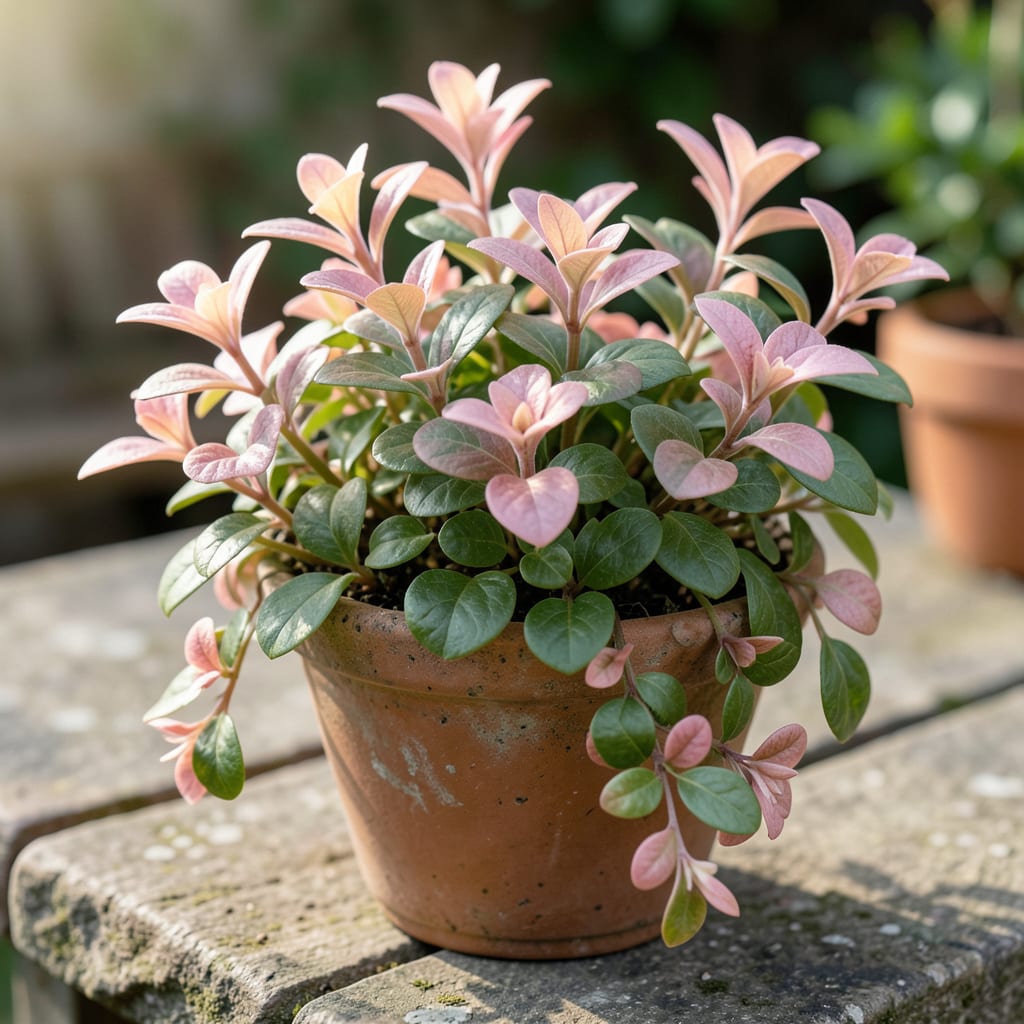
Nothing brightens a garden border like a shrub with pink and green leaves. I planted my first variegated beauty last spring, and it’s been the centerpiece of my yard ever since.
These plants offer year-round color, shifting from soft pink in spring to rich green in summer, then deepening to burgundy or gold in fall. They thrive in full sun to partial shade, making them adaptable to most landscapes.
With minimal pruning and basic care, they’ll grow into stunning focal points that demand attention. Plus, many varieties are drought-tolerant once established, so they’re low-maintenance.
Perfect for borders, hedges, or standalone accents. Here’s how to pick and grow the best ones for your space.
The striking pink and green foliage on your shrub is a fascinating result of natural and environmental factors. Here’s why it happens:
Some shrubs, like Weigela or Abelia, are bred for variegated leaves. The pink hues come from anthocyanins, pigments that develop in response to sunlight and temperature. These pigments mask the green chlorophyll in certain leaf areas, creating a two-tone effect. If your shrub is a cultivated variety, this coloration is intentional and stable.
Intense sunlight can trigger anthocyanin production as a protective mechanism. The pink or reddish tones act like sunscreen, shielding the leaves from UV damage. Shrubs in full sun often display more vibrant coloration, while those in shade may stay greener. Adjusting light exposure can influence the intensity of the pink.
Cool nights (below 50°F/10°C) paired with warm days can enhance anthocyanin production, especially in spring or fall. This is why some shrubs develop pink tinges during seasonal transitions. If your shrub’s leaves turn pink unexpectedly, check for recent temperature swings.
Deficiencies in phosphorus or magnesium can sometimes cause unusual leaf coloration, including pink or purple hues. However, this is usually accompanied by stunted growth or leaf distortion. A soil test can confirm if nutrients are the culprit—correct with a balanced fertilizer if needed.
Reviving a shrub with fading pink and green leaves often comes down to addressing a few common issues. Here’s how to diagnose and fix each one, with simple prevention tips to keep your garden looking its best.
Fix: If the pink hues look washed out or edges are crispy, your shrub may be getting too much direct sun. Move it to a spot with partial shade (especially during peak afternoon hours) or use shade cloth for temporary relief. Water deeply at the base to help it recover.
Prevention: Plant in a location with dappled sunlight or morning sun/afternoon shade. Mulch around the base to retain moisture and regulate soil temperature.
Fix: Drooping leaves or a dull green color often signal underwatering. Give it a slow, deep soak until the soil is moist 6 inches down. If the soil is soggy, improve drainage by amending with compost or creating a small berm to redirect water.
Prevention: Water consistently—about 1–2 inches per week, adjusting for rain. Use a moisture meter to avoid guessing. Pro tip 💡: Water early in the morning to reduce evaporation and fungal risks.
Fix: Yellowing green leaves with veins staying green? Your shrub might need iron or nitrogen. Apply a balanced, slow-release fertilizer or a chelated iron supplement for acid-loving plants (like some variegated shrubs). Follow package instructions carefully.
Prevention: Test your soil annually and amend as needed. Mix organic matter like compost into the soil at planting time for long-term fertility.
Fix: Inspect leaves for tiny bugs (like spider mites) or spots/fungus. Spray with neem oil or insecticidal soap for pests. For fungal issues, remove affected leaves and apply a fungicide labeled for ornamental shrubs.
Prevention: Keep the area clean by removing fallen debris. Avoid overhead watering to reduce humidity around the leaves. Pro tip ✨: Encourage beneficial insects like ladybugs by planting companion flowers nearby.
With these targeted fixes, your shrub’s stunning pink and green foliage will bounce back—and stay vibrant for seasons to come!
Pink hues come from anthocyanins, pigments that develop in response to sunlight and temperature. Some shrubs are bred for this variegation, while others show it naturally under stress or seasonal changes.
Most thrive in full sun to partial shade. For vibrant color, aim for 6 hours of sunlight daily. Too much direct sun can bleach the leaves, while too little may reduce pink tones.
Yes! Choose a large pot with drainage and use well-draining soil. Water more frequently than in-ground plants, as containers dry out faster. Dwarf varieties work best.
This often happens in warmer months or shaded areas. The pink fades when anthocyanins reduce. Ensure proper sunlight and check for nutrient deficiencies.
