
Beautiful Plants For Your Interior
Beautiful Plants For Your Interior
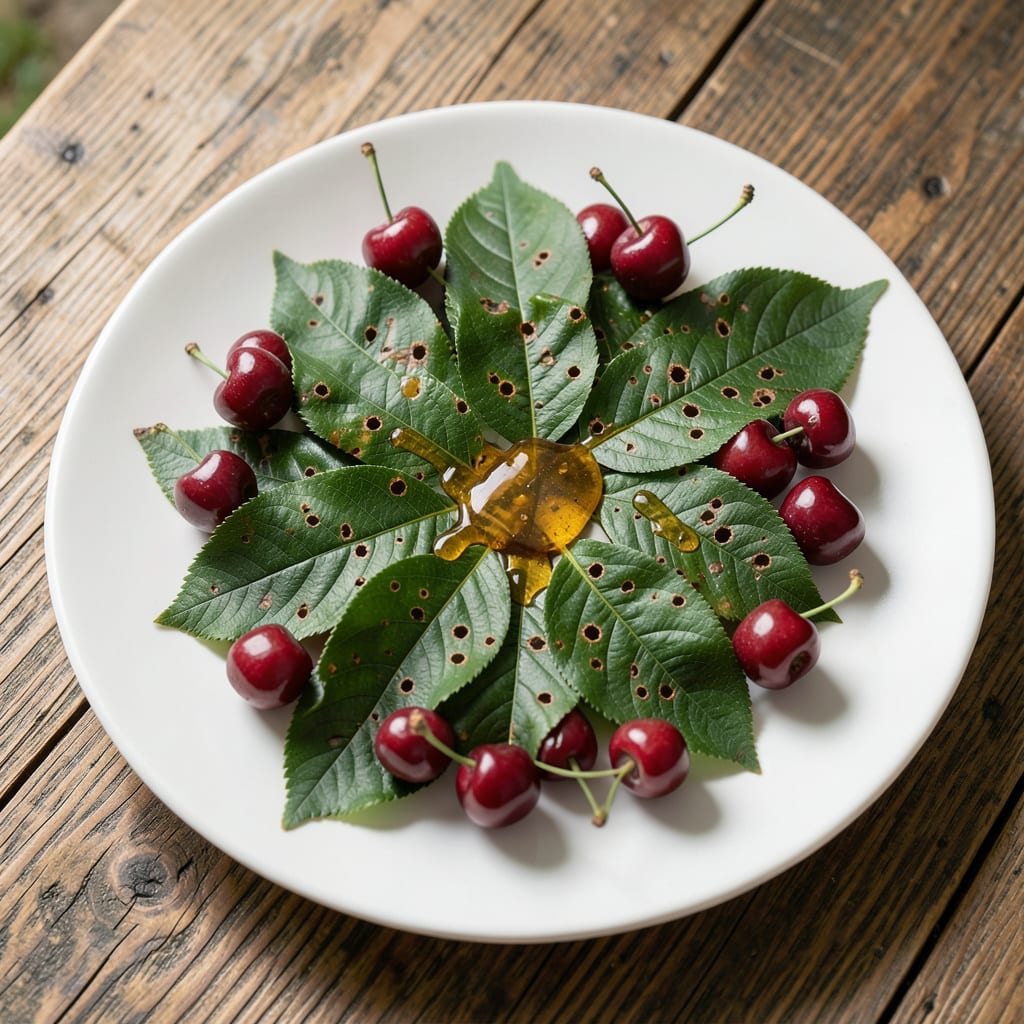
Those tiny holes in your plant leaves aren’t from hungry bugs. Shot hole disease sneaks in quietly, leaving behind a Swiss cheese pattern that weakens even the hardiest shrubs and fruit trees.
I first noticed it on my cherry laurel—small brown spots that fell out, leaving clean-edged holes. The fix isn’t complicated, but it does require consistent action: remove infected leaves, improve air circulation, and apply the right organic sprays at the right time.
Your plants bounce back with vibrant green foliage once the disease cycle breaks. The key is catching it early and sticking to a prevention routine that keeps the fungus from returning next season.
Works for stone fruits, ornamentals, and most broadleaf evergreens. Here’s how to stop the spread.
Shot hole disease, a common fungal issue in plants like Prunus species (cherry, peach, plum), arises from specific environmental and biological factors. Below are the primary causes, explained scientifically to help you understand and address them.
The disease is primarily caused by two fungi: Stigmina carpophila (formerly Coccomyces hiemalis) and Blumeriella jaapii. These pathogens thrive in moist, cool conditions, infecting leaves through water-saturated pores or wounds. Spores germinate on leaf surfaces, penetrating tissues and creating the characteristic “shot hole” lesions as infected tissue dies and falls out.
Prolonged leaf wetness (from rain, irrigation, or dew) is a key trigger. Fungal spores require 6+ hours of moisture to infect. Dense canopies or crowded plantings reduce airflow, trapping humidity and accelerating spore spread. Overhead watering worsens this by directly splashing spores onto vulnerable foliage.
Cool, wet springs (50–65°F / 10–18°C) are ideal for spore germination. Sudden temperature swings—especially freeze-thaw cycles—can stress plants, making them more susceptible. Injured tissues from frost or hail provide entry points for fungi.
Some cultivars lack genetic resistance. For example, Prunus avium (sweet cherry) is highly vulnerable, while Prunus cerasifera (myrobalan plum) shows moderate resistance. Older or stressed trees (due to drought, nutrient deficiency, or root damage) are also at higher risk.
Fungi survive winter in infected leaf litter or bark. In spring, splashing rain or wind disperses spores to new growth. Failing to remove fallen leaves or prune infected branches allows the cycle to repeat annually.
Shot hole disease can be frustrating, but these practical solutions will help restore your plants’ health. Address the root causes with targeted fixes and prevent future outbreaks with simple, organic practices.
If fungal spores are the culprit, act fast:
Stagnant air traps moisture, inviting disease. Fix it by:
Wet foliage is a breeding ground for Wilsonomyces and other pathogens. Try this:
💡 Prevention Tips: Maintain garden hygiene by raking fallen leaves, disinfecting tools with rubbing alcohol, and rotating crops. Resistant varieties (e.g., ‘Iceberg’ roses) can also reduce future risks. Consistency is key—monitor plants weekly and act at the first sign of trouble!
Apply copper fungicide every 7-10 days during wet seasons. Start at first sign of spots and continue until conditions dry out. Always follow label instructions for best results.
No. Infected leaves harbor spores that survive composting. Bag and trash them to prevent reinfection next season. Burn if local regulations allow.
Water early morning so leaves dry quickly. Avoid evening watering which creates ideal damp conditions for fungal growth overnight.
Yes. Myrobalan plum shows moderate resistance, while sweet cherry is highly susceptible. Check plant tags for disease-resistant varieties.
