
Beautiful Plants For Your Interior
Beautiful Plants For Your Interior
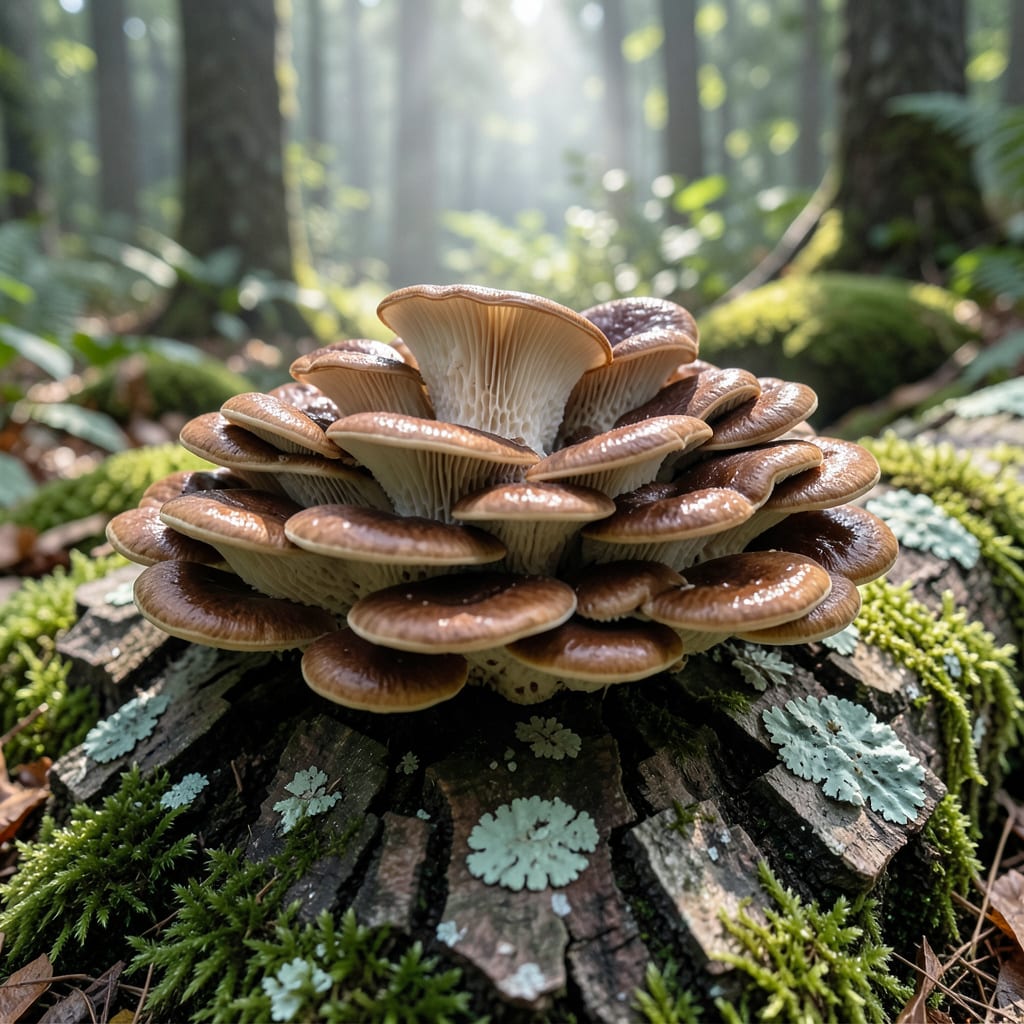
Those hard, bracket-shaped growths on your tree trunk aren’t just ugly—they’re a red flag. 🌳 I first spotted shelf fungus on my old oak and ignored it for a season, only to watch the tree decline faster than I expected.
Here’s the thing—these fungi don’t just appear on weak trees. They’re nature’s way of saying your tree’s already stressed, usually from internal rot or damage. The longer they grow, the more they break down the wood inside.
Removing them safely stops the spread and gives your tree a fighting chance. But pull them off wrong, and you risk doing more harm than good. The trick is timing and technique.
Works for maples, oaks, and most hardwoods. Let’s tackle this before it’s too late.
Shelf fungi, also known as bracket fungi, appear on trees due to a combination of environmental and biological factors. These woody growths signal underlying issues that compromise tree health. Below are the primary causes, explained with actionable insights.
Shelf fungi develop when airborne spores from Basidiomycota or Ascomycota land on wounded or stressed trees. The spores germinate in moist, decaying wood, often entering through:
Action: Sterilize pruning tools and seal wounds with tree wound paint to block spore entry.
Prolonged dampness accelerates fungal growth. Trees in waterlogged soil or shaded, humid areas are especially vulnerable. Overwatering, poor soil drainage, or compacted roots create ideal conditions for spores to thrive.
Action: Improve drainage by amending soil with organic matter or redirecting water flow away from the tree base.
Mature trees with decaying heartwood (the central, non-living wood) are prime targets. As the inner wood softens, it loses structural integrity, inviting fungi to colonize. This often occurs in:
Action: Monitor older trees for early signs of decay, such as cracks or mushrooms at the base.
Trees under stress from extreme temperatures, pollution, or nutrient deficiencies are less able to resist fungal infections. Urban trees, in particular, face added pressures from:
Action: Boost tree health with mulching, proper fertilization, and regular inspections.
Dealing with shelf fungus on trees requires a mix of immediate action and long-term prevention. Below are practical solutions tailored to common causes, along with tips to keep your trees healthy and fungus-free.
If you spot shelf fungus (also called bracket fungus) on a tree, the first step is to prune the infected branches. Use clean, sharp tools to cut at least 6–12 inches below the visible fungus to ensure you remove all contaminated wood. Sterilize your tools with rubbing alcohol between cuts to avoid spreading spores. For large or high branches, hire a certified arborist to handle the job safely.
Shelf fungus thrives in damp, shaded areas. Thin out nearby vegetation to improve airflow and reduce humidity around the tree. Trim overlapping branches to allow sunlight to penetrate the canopy, which helps dry out moisture-prone spots. If the tree is in a particularly wet area, consider grading the soil to improve drainage.
A healthy tree is less susceptible to fungal infections. Fertilize and water properly to boost its natural defenses. Avoid overwatering, as soggy soil encourages fungal growth. Mulch around the base (but not touching the trunk) to retain moisture while preventing rot. Regularly inspect trees for wounds or cracks, as these are entry points for spores.
Fallen branches, leaves, and dead wood can harbor fungal spores. Rake and remove debris from around the tree’s base and dispose of it far from your yard. If the fungus has already produced spores, avoid composting the infected material, as this can spread the problem.
Generally yes, but avoid handling it with bare hands. Some species may cause skin irritation or allergic reactions. Always wear gloves when removing or inspecting.
It depends on the extent of internal decay. Early removal of infected wood and proper care can help. However, severe cases often mean the tree is beyond saving.
Growth varies by species and conditions, but it can colonize a tree within months in damp, warm environments. Regular checks help catch it early.
Not always. Consult an arborist first. If the fungus covers 50%+ of the trunk or the tree is unstable, removal is often the safest option.
