
Beautiful Plants For Your Interior
Beautiful Plants For Your Interior
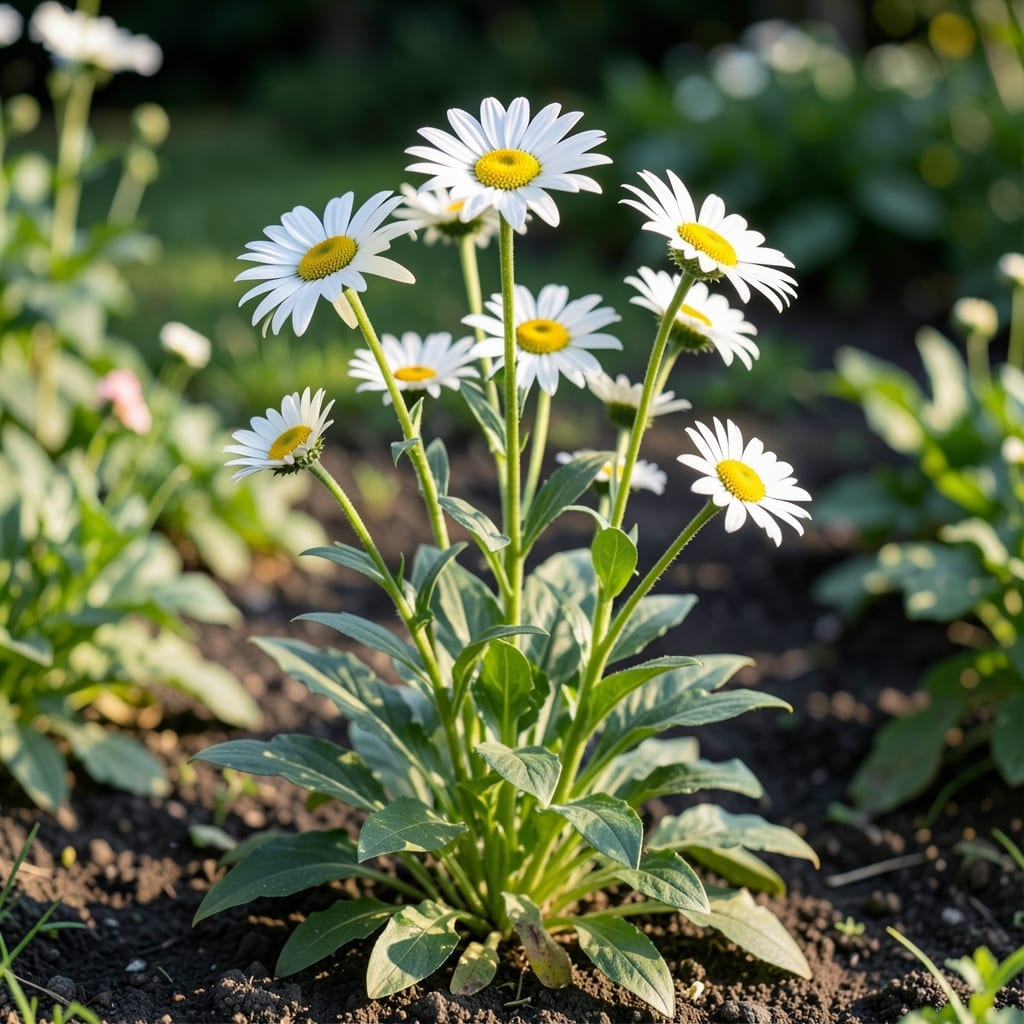
Shasta daisies bring cheerful white blooms to any garden, but their success hinges on one critical factor: getting the light conditions just right.
I’ve seen 🌼 Shasta Daisy thrive in full sun and struggle in deep shade. The difference is night and day. These beauties need the right balance to produce those iconic blooms we all love.
Discover how to give your plants the perfect light exposure for vibrant, healthy growth all season long.
 Best Window Placement
I’ve found that Shasta daisies truly shine when they get 6-8 hours of sunlight daily. This isn’t just a suggestion—it’s the sweet spot for those iconic white blooms we love. Full sun fuels robust growth and abundant flowers.
In my garden, plants in full sun produce larger blooms and stronger stems. They also tend to bloom earlier and longer than those in shadier spots. It’s all about that energy from direct sunlight.
| Requirement | Specification |
|---|---|
| Ideal Sunlight | 6-8 hours daily |
| Best Light Type | Direct sun |
| Afternoon Shade | Tolerated in hot climates |
| Minimum Sun | 4 hours |
Watch for scorched leaves or wilting—these are clear signs your daisies are getting too much sun, especially in extreme heat. In such cases, a bit of afternoon shade can be a lifesaver.
For the best results, plant your Shasta daisies in a spot that gets morning sun. This gentler light helps them thrive without the risk of heat stress. I always prioritize east-facing locations for this reason.
If you’re in a hotter climate, consider partial shade during the peak afternoon hours. This adjustment can prevent stress while still allowing your plants to photosynthesize effectively.
I’ve noticed that well-established daisies handle sun better than young plants. If you’re starting new ones, ease them into full sun to avoid shocking their systems.
Soil drainage matters too—even with perfect sun, poor drainage can stunt growth. Pair your sunlight strategy with well-draining soil for the best blooms.
In my experience, consistent sunlight leads to stronger stems and more flowers. It’s worth the effort to find that ideal spot in your garden.
Finally, remember that Shasta daisies are hardy but not invincible. Monitor their response to light and adjust as needed for vibrant, healthy plants. ☀️
With the right balance, you’ll enjoy abundant blooms from early summer to fall. It’s a small investment for a big payoff in beauty. 🌼
While Shasta daisies thrive in full sun, they can tolerate partial shade with 3-4 hours of sunlight daily. This makes them versatile for gardens with mixed light conditions.
In my experience, morning sun with afternoon shade works well, especially in hotter climates. The plants still bloom, though perhaps not as abundantly as in full sun.
I’ve noticed that shade-tolerant varieties like ‘Snow Lady’ perform better in partial shade. These cultivars are bred to handle less light while still producing beautiful blooms.
Too much shade, however, leads to sparse flowering and tall, weak stems. The plants stretch toward the light, resulting in a leggy appearance that’s less attractive in the garden.
If you must plant in shade, choose a spot with dappled sunlight rather than deep shade. Even filtered light through trees can provide enough energy for decent growth and some blooms.
Remember that soil quality becomes even more important in shade. Rich, well-draining soil helps compensate for reduced light, giving your daisies the best chance to thrive. 🌿
With the right variety and care, you can enjoy Shasta daisies even in partially shaded areas. It’s all about working with your garden’s natural light patterns.