
Beautiful Plants For Your Interior
Beautiful Plants For Your Interior
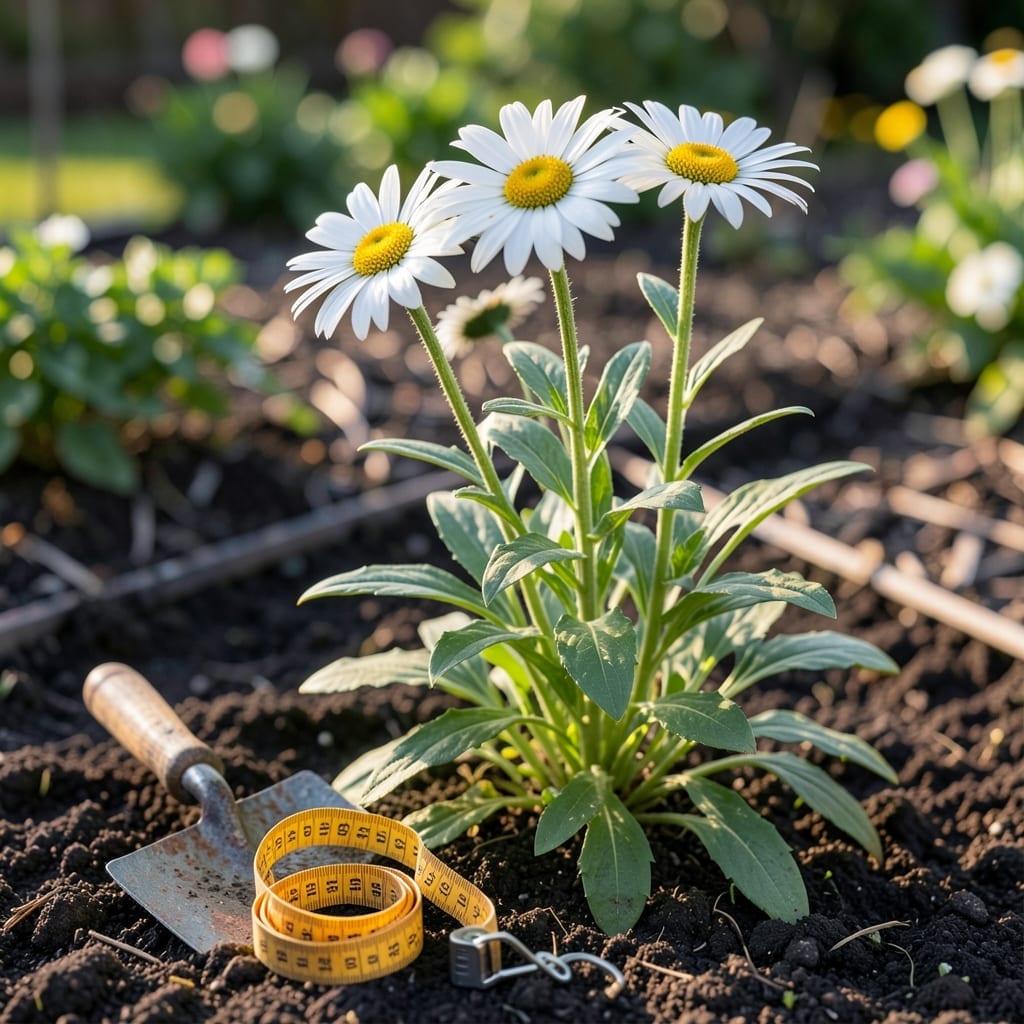
Achieving vibrant, healthy 🌼 Shasta Daisy blooms starts with one critical factor: proper spacing. Plant them too close, and you risk disease; too far apart, and your garden loses its lush, full appearance.
I’ve seen too many gardeners struggle with sad, sparse displays simply because they didn’t give their plants enough room to thrive. The right distance between each Shasta Daisy makes all the difference in both health and beauty.
Whether you’re planting in beds, borders, or containers, getting the spacing perfect ensures your flowers have the air circulation they need. This small but most important step prevents common problems before they start.
Discover how to calculate the ideal distance for your specific garden layout. Your future self will thank you when you’re enjoying a stunning, disease-free display all season long.
Getting Shasta daisy spacing right is the secret to a thriving garden. These cheerful perennials need room to breathe, grow, and show off their classic white blooms without competing for resources.
I’ve found that mature plant size and garden layout dictate the perfect distance. Whether you’re planting in in-ground beds, raised beds, or containers, spacing makes all the difference.
| Garden Type | Spacing | Notes |
|---|---|---|
| In-Ground Beds | 18-24 inches | Allows air circulation and root expansion. |
| Raised Beds | 12-18 inches | Closer spacing works due to improved soil drainage. |
| Borders | 12-15 inches | Creates a dense, lush edge for visual impact. |
| Containers | 8-10 inches | Use dwarf varieties and well-draining pots. |
For in-ground beds, I recommend 18-24 inches between plants. This gives their 2-3 ft mature height enough space to thrive without overcrowding. The extra room also helps prevent fungal diseases like powdery mildew.
In raised beds, you can tighten the spacing to 12-18 inches. The loose, fertile soil in raised beds encourages healthier roots, so plants can handle a bit more proximity. Just watch for signs of stress like yellowing leaves.
If you’re creating a border or edge, 12-15 inches works beautifully. This closer spacing creates a full, abundant look while still allowing each plant to access sunlight and nutrients. It’s perfect for cottage-style gardens.
For container gardening, stick to dwarf Shasta daisy varieties and space them 8-10 inches apart. Choose large pots with drainage holes to prevent root rot. Remember, containers dry out faster, so monitor soil moisture closely.
No matter the layout, always consider the mature size of your Shasta daisies. Standard varieties reach 2-3 feet tall with a similar spread, while dwarf types stay compact at 1-1.5 feet. Planning ahead saves you from transplanting later.
I’ve learned the hard way that overcrowding leads to weak stems and fewer blooms. Give your daisies the space they need, and they’ll reward you with abundant flowers all season long. 🌼
Don’t forget to mulch around your plants to retain moisture and suppress weeds. This simple step keeps your Shasta daisies happy and your garden looking neat and polished. ✂️
Proper Shasta daisy spacing directly impacts your plants’ health and bloom quality. When I give them 18-24 inches of space, air circulates freely, reducing fungal diseases like powdery mildew. This simple step ensures stronger stems and more abundant flowers.
I’ve noticed that crowded plants compete for sunlight and nutrients, stunting growth. With adequate spacing, each daisy plant can develop a robust root system. This leads to larger blooms and more vibrant colors throughout the growing season.
🌱 Key Takeaway
Proper spacing prevents disease, improves air circulation, and maximizes flower production for Shasta daisies.
In my experience, well-spaced Shasta daisies also require less maintenance. They’re easier to water at the base without wetting foliage, which helps prevent leaf spot diseases. Plus, good spacing makes weeding and mulching more manageable.
For border plantings, I recommend 12-18 inch spacing to create a full, continuous display. This closer spacing works well because borders typically have good air flow from multiple sides. Just be sure to thin plants if they become overcrowded.
Remember that mature plant size varies by cultivar. Dwarf varieties can thrive with 12 inch spacing, while taller types need up to 24 inches. Always check the specific recommendations for your chosen variety.
Finally, proper spacing allows for better companion planting. I love pairing Shasta daisies with lavender or Russian sage, as their complementary heights and colors create a stunning garden display while maintaining good air circulation. ☀️