
Beautiful Plants For Your Interior
Beautiful Plants For Your Interior
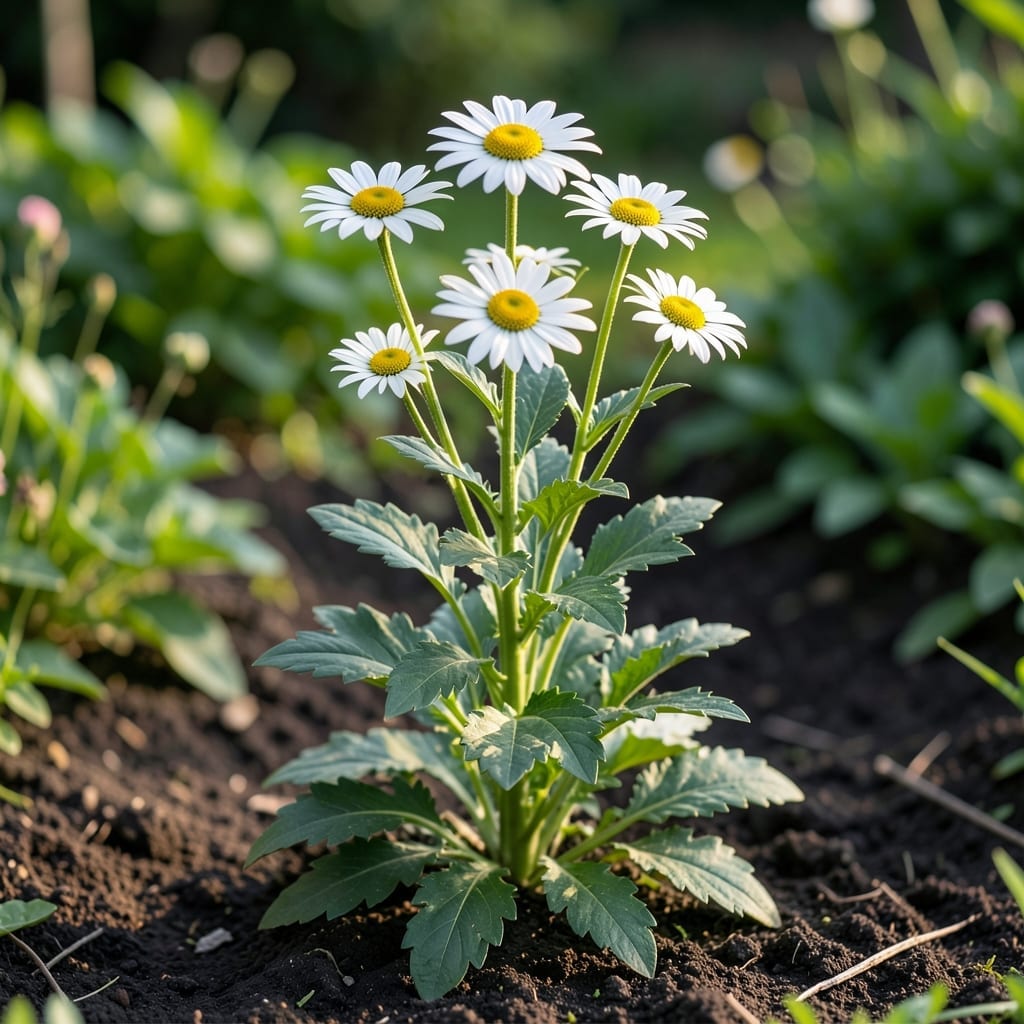
Planning your garden layout? Knowing the mature Shasta Daisy 🌼 size is key to creating a balanced, thriving outdoor space.
These classic perennials bring cheerful white blooms to borders and beds, but their growth habits vary by cultivar. Some reach 4 feet tall while dwarf varieties stay compact at just 1 foot.
Understanding these differences helps you design with confidence. You’ll avoid overcrowding and ensure each plant has room to flourish.
Let me walk you through the typical dimensions and how to use them in your landscape. The right knowledge makes all the difference.

I’ve found that Shasta daisy size varies dramatically by cultivar, which is why garden planning starts with knowing these dimensions. Standard types like ‘Becky’ reach 3-4 ft tall with a 2-3 ft spread, creating bold backyard statements.
For smaller spaces, dwarf varieties like ‘Snow Lady’ stay compact at 12-18 inches in both height and width. Semi-dwarf options such as ‘Alaska’ hit a happy medium at 2-3 ft tall with similar spread.
Growth rate also differs. Standard cultivars typically reach full size in 2-3 years, while dwarf varieties mature faster. I recommend spacing taller types 18-24 inches apart to accommodate their spread.
For dwarf Shastas, 12-15 inch spacing works well. This prevents overcrowding while allowing for that classic clumping habit these perennials develop over time.
I’ve noticed that soil quality impacts final size too. Rich, well-draining soil produces the most robust plants. In my experience, full sun exposure helps Shastas reach their maximum potential height.
Watering consistently during the first growing season gives your daisies the best start. Once established, they’re quite drought-tolerant, but even moisture leads to fuller, taller stems.
For border designs, I love using the taller ‘Becky’ at the back of beds. The 3-4 ft height creates a stunning backdrop for shorter plants. Dwarf varieties work beautifully in container gardens or along walkways.
Remember that pruning spent blooms encourages more flowers and can slightly reduce height. I typically deadhead my Shastas every 2-3 weeks during bloom season to maintain their shape.
In windy areas, taller varieties may need staking support to prevent flopping. I’ve found that planting them in sheltered locations or using discreet stakes works wonders for maintaining their upright form. ☀️
When I plan my garden, I always consider mature Shasta daisy size to create balance. Taller varieties like ‘Becky’ at 3-4 ft tall make stunning backdrops in borders, while dwarf types such as ‘Snow Lady’ fit perfectly in containers or front edges.
I love pairing medium-sized Shastas with complementary plants. For example, 2-3 ft tall varieties work beautifully alongside delphiniums or coneflowers, creating layers of texture and color that draw the eye through the garden.
I’ve found that spacing is crucial for healthy growth. For tall Shastas, I allow 2-3 ft between plants to prevent overcrowding. This also helps with air circulation, reducing the risk of fungal diseases that can plague dense plantings.
For smaller gardens, I recommend dwarf cultivars. Their compact size at 12-18 inches makes them perfect for patio containers or small flower beds where space is limited but I still want that classic daisy charm.
Container gardening works well with medium-sized Shastas. I use 12-16 inch pots with good drainage and place them where they’ll get full sun for at least 6 hours daily. This ensures vibrant blooms all season.
Remember that size affects maintenance too. Taller varieties may need staking to prevent flopping, while dwarf types are generally low-maintenance and more resistant to wind damage in my experience.
☀️