
Beautiful Plants For Your Interior
Beautiful Plants For Your Interior
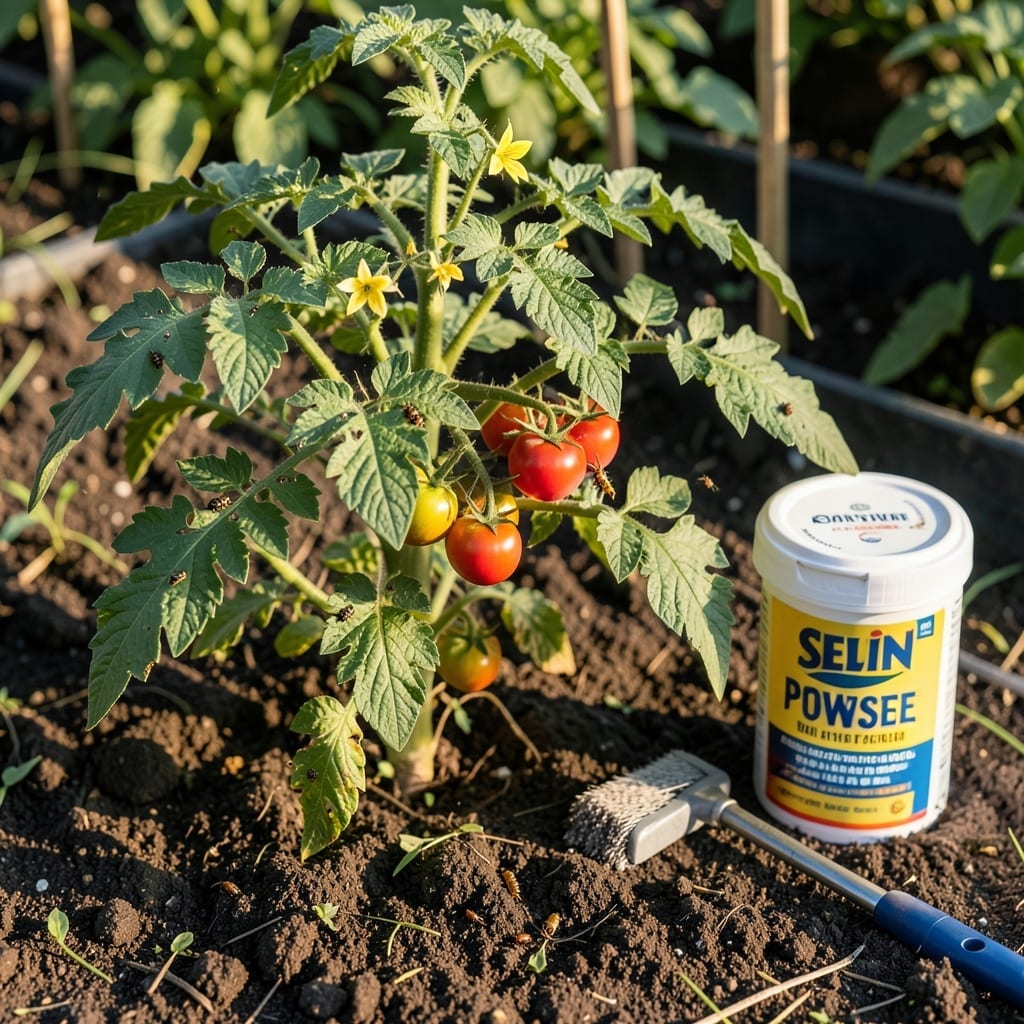
Tired of watching pests destroy your garden despite your best efforts? Sevin Powder Dust has been a go-to solution for gardeners facing this exact struggle, offering reliable protection against a wide range of invaders.
I’ve seen firsthand how effective this product can be when used correctly. Whether you’re dealing with beetles, caterpillars, or other common garden pests, it provides a simple way to defend your plants.
But like any powerful tool, there are important factors to consider. We’ll explore how to use it safely and maximize its benefits while understanding its potential impact on your garden ecosystem.
Discover how this trusted solution can help you reclaim your garden from destructive pests while keeping your plants thriving. ❌
I’ve found that Sevin Powder Dust is a go-to for many gardeners when pests like beetles or caterpillars start wreaking havoc. Its active ingredient, Carbaryl, disrupts the nervous system of insects on contact.
This broad-spectrum insecticide doesn’t just kill on contact—it also provides residual protection for up to 2 weeks, depending on weather conditions. That means fewer applications and more peace of mind for your garden.
| Active Ingredient | Carbaryl |
| Mode of Action | Nervous system disruptor |
| Target Pests | Beetles, caterpillars, ants, aphids |
| Residual Effect | Up to 14 days |
| Best For | Vegetables, flowers, ornamentals |
What I love about Sevin Powder Dust is its versatility. It tackles over 100 listed pests, from Japanese beetles to tomato hornworms, making it a staple in my pest control arsenal.
For leaf-eating pests, I dust it directly on foliage, ensuring even coverage. The fine powder clings to plant surfaces, so it stays put even after light rain or watering.
The contact action means pests die quickly, often within 24-48 hours. I’ve seen it work wonders on cabbage worms and squash bugs that other treatments struggle with.
However, I always remind myself that Carbaryl is non-selective. It can harm beneficial insects like bees if applied during bloom. That’s why I apply it in the early morning or late evening when pollinators are less active.
Another tip: reapply after rain or heavy watering, as the dust can wash away. For best results, I use it when pests first appear—prevention is easier than curing a full infestation.
I’ve also noticed that Sevin Powder Dust works best in dry conditions. Wet foliage can reduce its effectiveness, so I check the weather forecast before applying.
For edible plants, I follow label instructions carefully. Most vegetables can be treated up to 1 day before harvest, but I always double-check the specific crop guidelines.
This powder is my secret weapon for keeping gardens thriving without the hassle of frequent spraying. 🌱
Applying Sevin Powder Dust correctly ensures maximum effectiveness while protecting your garden. I always start by checking the weather forecast—avoid windy or rainy days to prevent drift or runoff. Early morning or late evening applications are ideal to minimize harm to beneficial insects like bees.
For best results, I use a duster applicator to evenly coat both the upper and lower leaf surfaces. The label specifies the right dosage rate, but I typically apply 1-2 tablespoons per plant for small gardens. Always wear protective gloves and a mask to avoid skin or respiratory irritation.
⚠️ Safety First
Keep pets and children away from treated areas for at least 24-48 hours. Avoid applying near water sources or edible plants close to harvest.
After application, I lightly water the plants to help the dust adhere, but I avoid heavy watering for 1-2 days. This prevents the product from washing away before it can work. For vegetable gardens, I stop using Sevin 3-7 days before harvest, depending on the crop.
Monitor your plants for pest activity over the next few days. If I notice persistent infestations, I reapply every 7-10 days, but I never exceed the seasonal maximum stated on the label. Overuse can lead to pest resistance or harm to soil health.
For organic gardeners, I recommend testing Sevin on a small area first, as some plants may show sensitivity. If I see leaf burn or wilting, I discontinue use and switch to alternative pest control methods like neem oil or insecticidal soaps.
By following these steps, I’ve effectively controlled Japanese beetles, caterpillars, and ants without damaging my garden’s ecosystem. Always store unused product in a cool, dry place away from children and pets. ✂️