
Beautiful Plants For Your Interior
Beautiful Plants For Your Interior
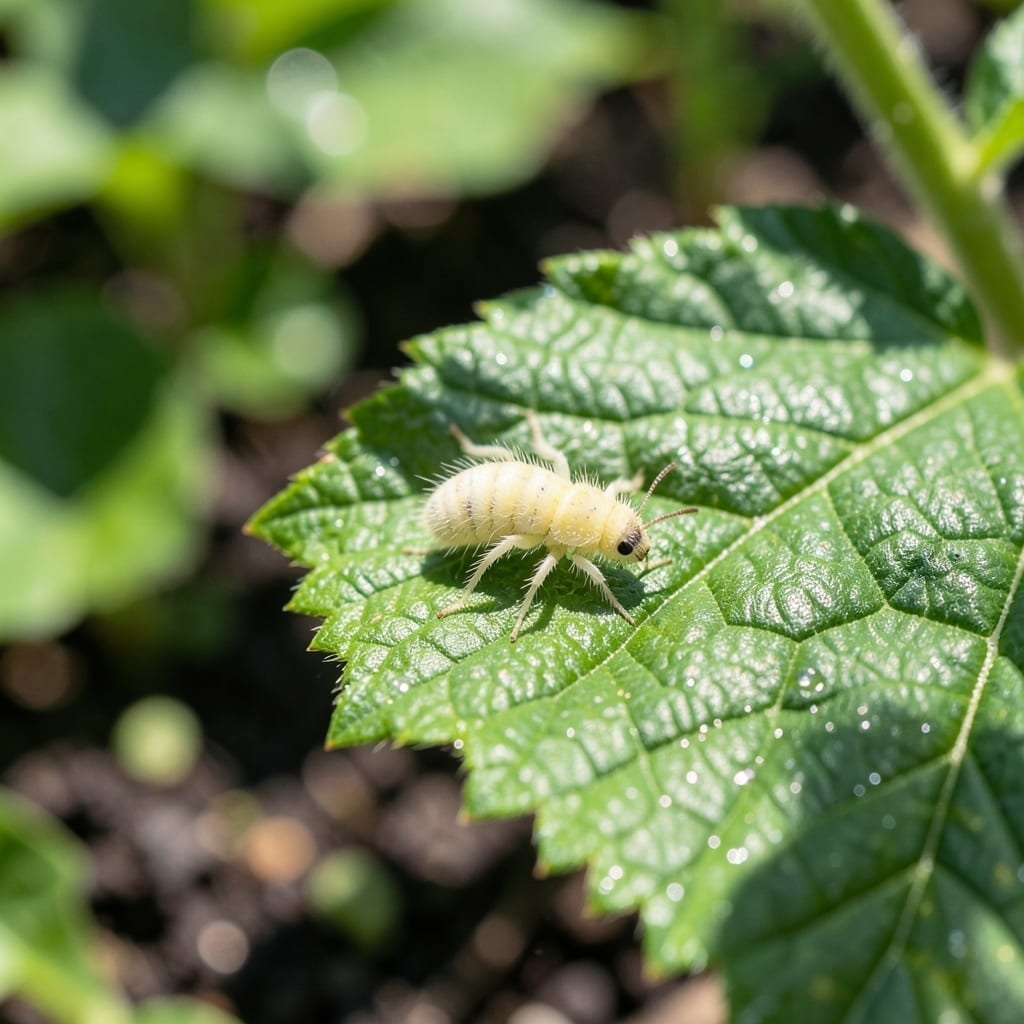
I first spotted them on my rosebuds—tiny green invaders multiplying overnight. Aphids can overwhelm a garden in 48 hours, but the right approach stops them cold.
Sevin works fast when you need immediate control, but timing and technique matter. I learned the hard way that evening applications waste product, while morning treatments stick better and hit pests at their most active.
You’ll see results within 24 hours of proper application, with plants bouncing back faster than you’d expect. The key is covering both sides of leaves where aphids hide.
Works for vegetables, flowers, and shrubs alike. Here’s how to apply it effectively.
Aphid infestations often stem from a mix of environmental and biological factors. Understanding these triggers helps explain why Sevin (carbaryl) is frequently recommended for control.
Excess nitrogen in soil boosts lush, soft plant growth—aphids’ favorite food. Overfertilized plants produce high levels of amino acids in sap, which aphids detect and flock to. Reduce high-nitrogen fertilizers to deter outbreaks naturally.
Aphids thrive in temperatures between 65–80°F (18–27°C) with low humidity. These conditions accelerate their reproduction cycles, allowing populations to explode in days. Drought-stressed plants also emit distress signals that attract aphids.
When beneficial insects like ladybugs, lacewings, or parasitic wasps are absent, aphid colonies face no natural checks. Pesticide overuse (including non-selective chemicals) can kill these predators, ironically worsening infestations over time.
Planting large blocks of a single crop (e.g., roses or lettuce) creates an all-you-can-eat buffet for aphids. Diversifying with companion plants (like marigolds or garlic) disrupts their ability to locate and colonize hosts efficiently.
When aphids invade, Sevin offers a quick and effective solution. Below are targeted fixes for common aphid problems, along with tips to keep them from returning.
Fix: Mix Sevin Concentrate according to the label (typically 1.5 oz per gallon of water) and spray thoroughly on both sides of leaves, focusing on new growth where aphids cluster. Reapply every 7–10 days if needed.
Prevention Tip: 💡 Inspect plants weekly for early signs of aphids—curled leaves or sticky residue (honeydew). Introduce natural predators like ladybugs to your garden for long-term control.
Fix: Use Sevin Ready-to-Use Dust for edible crops. Lightly dust leaves and stems at dawn or dusk when bees are less active. Avoid spraying directly on blooms to protect pollinators.
Prevention Tip: 🎯 Rotate crops yearly and remove plant debris after harvest to eliminate overwintering aphids.
Fix: If aphids return quickly, alternate Sevin with insecticidal soap (apply soap first, then Sevin 3–4 days later) to disrupt resistance. Ensure full coverage, as missed spots allow survivors to repopulate.
Prevention Tip: ✨ Strengthen plant health with balanced fertilizer—aphids target stressed, over-fertilized plants.
Fix: Apply Sevin in the early morning or evening to avoid evaporation. On windy days, use a spray shield to direct the solution precisely.
Prevention Tip: 🌡️ Store Sevin in a cool, dry place to maintain its potency for future use.
Reapply every 7–10 days if aphids persist, but avoid overuse to prevent resistance. Always follow label instructions for safe, effective control.
Yes, but use Sevin Ready-to-Use Dust for vegetables and fruits. Apply at dawn or dusk, avoiding blooms to protect pollinators.
Incomplete coverage or over-fertilization can cause reinfestation. Alternate with insecticidal soap and improve plant health to break the cycle.
Early morning or evening works best. Avoid midday heat and wind to maximize effectiveness and minimize evaporation.