
Beautiful Plants For Your Interior
Beautiful Plants For Your Interior
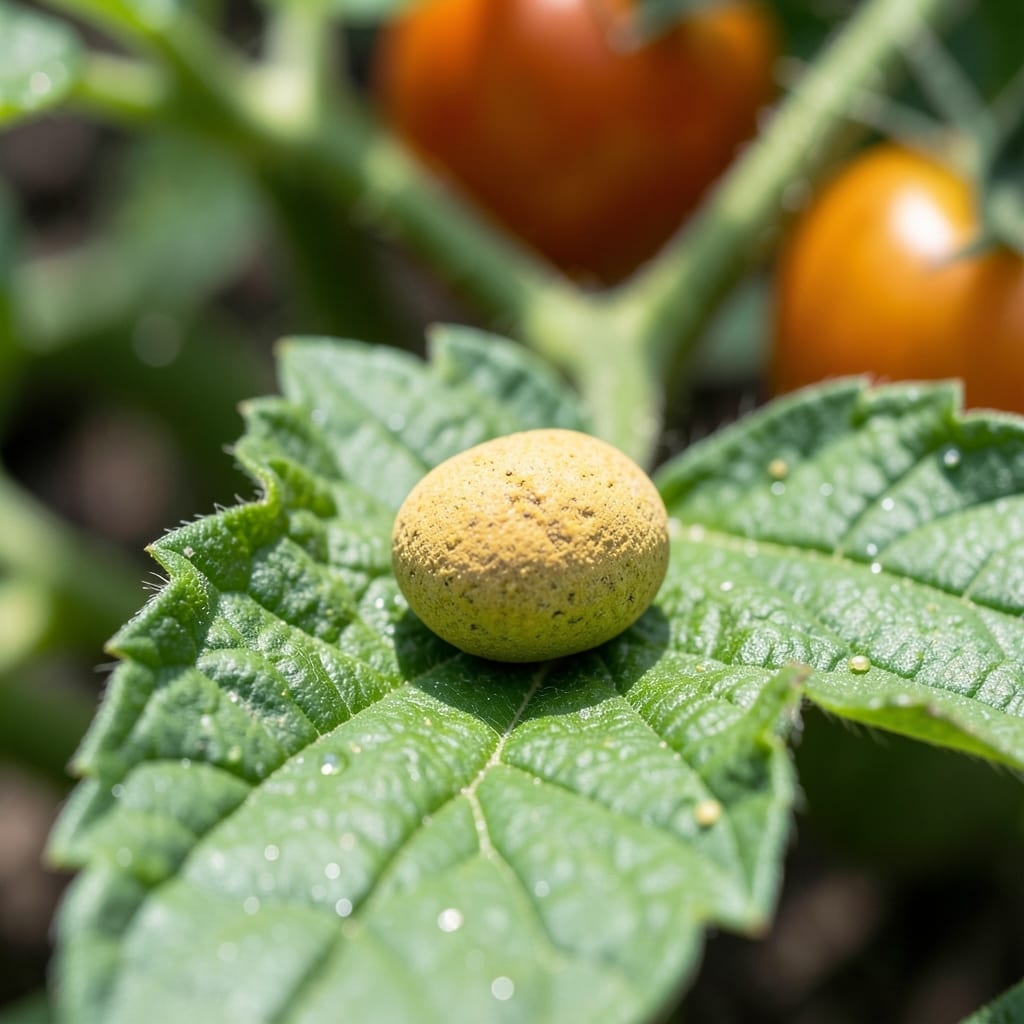
I lost a whole row of broccoli to cabbage worms last summer. Sevin changed that story completely for my garden this year.
This targeted solution handles the tough pests—beetles, caterpillars, aphids—that overwhelm other methods. You apply it at dusk when pollinators are safe, and it starts working within 24 hours.
Plants recover fast once the pests are gone, and you’ll see new growth pushing through within days. The key is following the label exactly—timing, dosage, and safety gear matter.
Works for vegetables, flowers, and ornamentals alike. Here’s how to use it effectively without harming what you’re trying to protect.
Understanding why pests invade your garden is the first step in effective bug control. Several factors can attract or sustain unwanted insects, often leading to the need for interventions like targeted treatments. Here’s a breakdown of the most common causes:
Many pests thrive when their preferred food sources are plentiful. For example, aphids, beetles, and caterpillars are drawn to specific plants they feed on. Monoculture gardens (growing only one type of plant) create ideal conditions for rapid pest multiplication. Diversifying plant types disrupts this cycle, making it harder for pests to establish large populations.
Overwatering or stagnant water creates moist environments that attract fungi, gnats, and other moisture-loving pests. Conversely, underwatering stresses plants, weakening their natural defenses against invaders. Consistent, balanced watering helps maintain plant health and reduces pest appeal.
Warm, humid weather accelerates the life cycles of many pests, leading to faster reproduction. For instance, spider mites and whiteflies proliferate in dry, hot conditions, while slugs and snails prefer damp, cool environments. Monitoring seasonal patterns helps anticipate and mitigate outbreaks before they escalate.
Ecosystems rely on balance. When beneficial insects like ladybugs, lacewings, or parasitic wasps are absent, pest populations can spiral out of control. Overusing broad-spectrum pesticides often eliminates these natural allies, leaving your garden vulnerable to recurring infestations.
Debris, dense foliage, or untended garden areas provide pests with safe havens to breed and multiply undisturbed. Regularly clearing leaf litter, pruning overgrown plants, and removing weeds reduces these hiding spots, forcing pests to seek less hospitable environments.
When pests invade your garden, Sevin bug control can help you take back the upper hand. Below are practical ways to tackle common issues, mapped to their causes, plus tips to keep bugs from returning.
If aphids, beetles, or caterpillars are swarming, apply Sevin Dust directly to affected plants. Shake the dust lightly onto leaves, especially undersides where pests hide. Reapply every 7–10 days or after rain. Prevention tip: Inspect plants weekly—early detection means smaller outbreaks.
When you see jagged leaf edges (a sign of beetles or worms), mix Sevin Concentrate with water and spray evenly over foliage. Focus on new growth, where pests love to feed. Prevention tip: Remove plant debris—it harbors eggs and larvae.
For seasonal pests like Japanese beetles, treat plants preemptively with Sevin Ready-to-Use spray. A light coating every 2–3 weeks during peak seasons (spring/summer) keeps them at bay. Prevention tip: Rotate crops yearly to disrupt pest life cycles.
Grubs and cutworms attacking roots? Sprinkle Sevin Granules on soil and water in. This creates a protective zone around plant bases. Prevention tip: Aerate soil in early spring to expose and deter burrowing pests.
Pro tip: 💡 Always apply Sevin in the early morning or late evening to avoid harming bees and other pollinators. Follow label instructions for safe, effective use.
Apply every 7-10 days or after rain for active infestations. For prevention, a light coating every 2-3 weeks during peak seasons works well. Always follow label instructions for exact timing.
Yes, but wait 3-7 days after application before harvesting edible plants. Wash produce thoroughly before eating. Avoid using on plants in bloom to protect pollinators.
It’s ineffective against spider mites, nematodes, and some soft-bodied insects. For these, consider alternative treatments like neem oil or insecticidal soap.
No, it’s designed for outdoor use only. For indoor pests, opt for products specifically labeled for home use and ensure proper ventilation.