
Beautiful Plants For Your Interior
Beautiful Plants For Your Interior
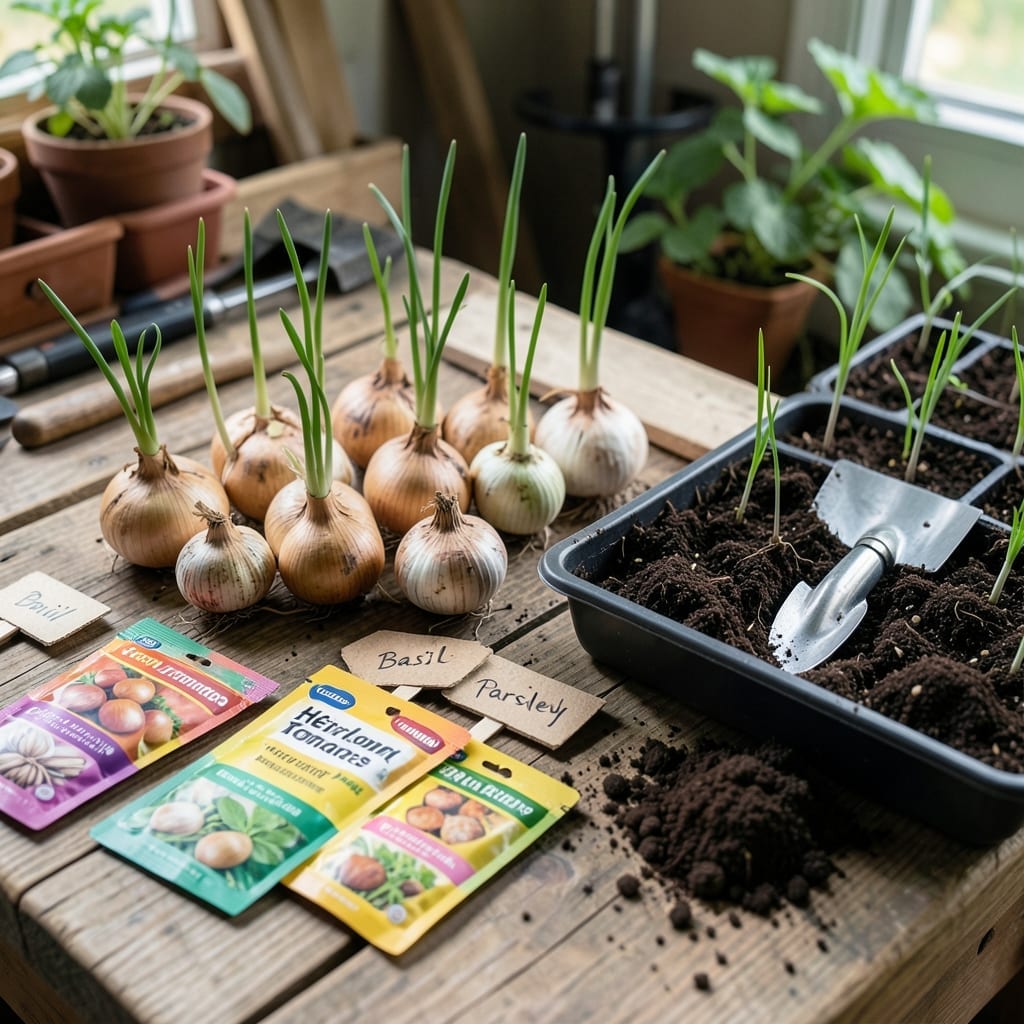
January in Zone 7 is your secret weapon for a thriving garden. While others wait for spring, you can get a head start with the right cold-hardy varieties.
I’ve tested countless seeds in winter, and the ones that work will surprise you. From leafy greens to hardy herbs, these early starters build the foundation for a bountiful season.
Let me show you how to pick the best seeds and set them up for success. Your future self will thank you when harvest time comes around faster than expected.
Starting seeds indoors in January gives your garden a jumpstart in Zone 7. I focus on slow-growing crops like tomatoes and peppers that need extra time to mature before warm weather arrives.
Cold-hardy varieties such as broccoli, cabbage, and celery also thrive when started early. These plants handle the cool indoor temps and will be ready to transplant as soon as the soil warms.
| Variety | Start Time | Transplant Outdoors |
|---|---|---|
| Tomatoes | 6-8 weeks before frost | After last frost date |
| Peppers | 8-10 weeks before frost | 2 weeks after last frost |
| Broccoli | 6-8 weeks before frost | 4 weeks before last frost |
| Cabbage | 6-8 weeks before frost | 4 weeks before last frost |
For best results, use a seed-starting mix that drains well. I avoid garden soil because it can compact and suffocate delicate roots.
Keep your seedlings under grow lights for 14-16 hours daily. A south-facing window works, but supplemental light prevents leggy, weak stems.
Maintain a consistent temperature between 70-75°F for germination. I use a heat mat to ensure even warmth, especially for heat-loving plants like peppers.
Water gently with a spray bottle to avoid dislodging seeds. The soil should stay moist but not soggy to prevent rot and fungal issues.
Once seedlings develop true leaves, I begin fertilizing with a diluted liquid fertilizer every two weeks. This gives them the nutrients they need for strong growth.
Hardening off is crucial before transplanting. I start by placing seedlings outside for a few hours each day, gradually increasing their exposure to wind and sun.
By following these steps, your January-started seeds will be strong and ready for the garden when spring arrives. The early effort pays off with a longer harvest season and healthier plants. 🌱
January in Zone 7 lets you plant cold-tolerant seeds directly outdoors. I love starting spinach and kale this early because they thrive in cool soil and handle light frosts with ease.
Other great options include peas, radishes, and carrots. These seeds germinate in chilly temperatures and grow quickly, giving you fresh produce before spring fully arrives.
Preparing your soil is key for success. I loosen the top 6-8 inches and mix in compost to improve drainage and fertility. This helps seeds establish strong roots quickly.
Protect young seedlings from hard frosts with row covers or cloches. I use frost blankets on nights when temperatures drop below 25°F to keep plants safe.
Water your seeds gently to avoid washing them away. I use a light mist from a spray bottle to keep the soil moist without disturbing the seeds.
Thin seedlings as they grow to prevent overcrowding. For radishes and carrots, I leave 2-3 inches between plants for optimal growth.
With the right care, your January-sown seeds will flourish and provide an early harvest. It’s a rewarding way to extend your growing season. 🌱