
Beautiful Plants For Your Interior
Beautiful Plants For Your Interior
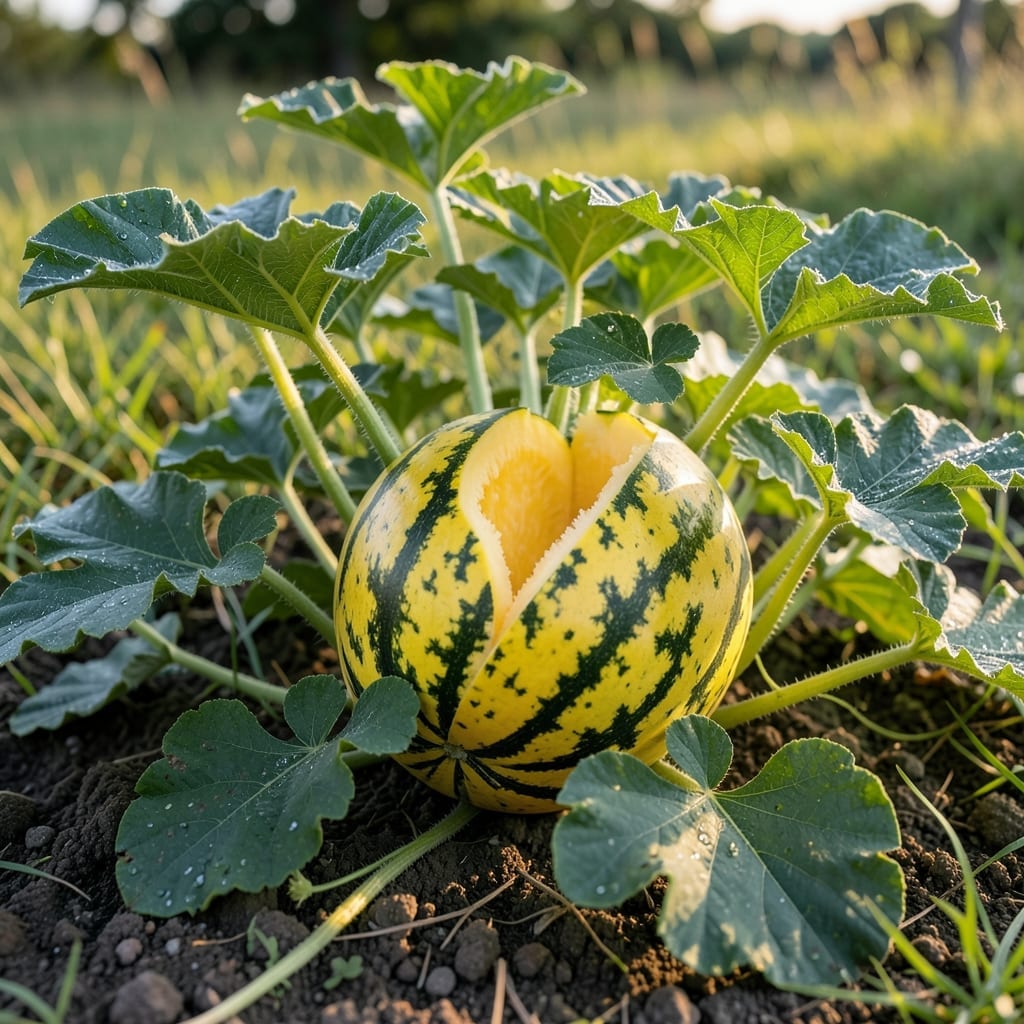
Golden, crisp, and utterly seedless—this watermelon variety redefines summer sweetness. I stumbled onto yellow-fleshed seedless types after years of growing traditional red ones, and the flavor difference is shocking. No black seeds means more fruit to enjoy.
They thrive in the same conditions as classic watermelons: full sun, warm soil, and consistent water. The vines spread 10-15 feet, but the payoff is worth every inch. You’ll get melons that ripen to a buttery yellow inside, with a honeyed taste that’s hard to forget.
📚 In This Guide
This variety requires precise conditions but rewards you with exceptionally sweet, golden fruit.
Choose a location with full sun exposure and well-draining soil. Seedless watermelons thrive in loamy, fertile ground with a pH between 6.0-6.8. I always amend the planting area with 2-3 inches of aged compost worked into the top 6-8 inches of soil to boost nutrient content.
Create raised mounds 12 inches high and 24 inches wide to improve drainage and warm the soil faster in spring. Space these mounds 6-8 feet apart in all directions. You’ll see better root development when plants aren’t competing for space or nutrients.
Since seedless varieties require pollination from seeded types, plant a standard watermelon variety 12-18 inches away from your seedless plants. This ensures viable pollen transfer. Sow seeds or transplants after all frost danger has passed and soil temperatures reach 70°F.
Plant 2-3 seeds per mound at a depth of 1 inch, then thin to the strongest single plant once first true leaves appear. Real talk: this companion planting is non-negotiable—without it, your seedless vines will produce empty fruit.
Water deeply at the base of plants 2-3 times per week, providing 1-2 inches of water each time. The goal is consistent moisture without waterlogging. You’ll know the soil needs water when the top 1 inch feels dry to the touch.
Apply a balanced fertilizer when vines begin to run, then switch to a low-nitrogen, high-potassium formula once flowering starts. I’ve found that yellow-fruited varieties respond particularly well to this nutrient shift, producing sweeter fruit with higher sugar content.
As vines extend, train them gently to grow in the desired direction. For yellow seedless varieties, I recommend using a trellis system for better air circulation and easier harvesting. Secure vines to the structure with soft ties that won’t damage stems.
Watch for the development of tendrils and flowers—this signals the transition to fruiting. The first male flowers will appear before female blooms, which have a small fruit at the base. This is the moment that matters: pollination must occur during this window for fruit set.
Yellow watermelons won’t develop the traditional white underside when ripe. Instead, look for the tendril nearest the fruit stem to turn brown and dry. The rind will also develop a slightly dull appearance rather than a glossy sheen.
Harvest by cutting the stem with a sharp knife, leaving 1-2 inches attached to prevent damage. I always test one fruit first—when the flesh is deep yellow and the seeds are tiny and white, the rest are ready. Don’t skip this (I learned the hard way) as underripe fruit will lack sweetness.
Took me a few seasons to figure out what separates mediocre melons from the sweet, golden-fleshed winners.
The Pollination Ratio: That one pollinator plant for every three seedless plants in Step 1 isn’t just a suggestion. I learned this the hard way after two seasons of empty, underdeveloped fruit. The 50-foot spacing ensures bees can efficiently transfer pollen between varieties.
Soil Temperature Critical: Never plant until your soil hits that 70°F mark mentioned in Step 2. I use a soil thermometer and wait patiently—cold soil stunts growth and delays maturity. The 12-inch mounds warm up faster than flat ground and improve drainage.
Watering Wisdom: The 1-2 inches per week in Step 4 seems simple until you overwater. I switched to drip irrigation with a moisture meter and saw immediate improvement. Remember to taper off as fruit nears maturity to concentrate those sugars.
Harvest Timing: Those 80-90 days can feel like forever, but don’t rush it. I check the tendril opposite the stem daily once we hit day 75—when it turns brown and dry, and the underside shifts to creamy yellow, it’s go time. The early morning harvest mentioned in Step 5 really does capture peak sweetness.
No, seedless yellow watermelons are not genetically modified. They’re hybrid varieties created by cross-breeding, resulting in a seedless fruit.
Start with seedlings (seedless varieties can’t be grown from saved seeds). Plant in well-drained soil, provide full sun, and keep the soil consistently moist for sweet, juicy fruit.
Plant after the last frost when soil temperatures reach 70°F or higher. Warm soil ensures proper germination and growth for a summer harvest.
Try ‘Moon and Stars’ or ‘Cream of Saskatchewan’ for unique heirloom options. For seedless, ‘Yellow Doll’ or ‘Yellow Crimson’ are great picks.
Lack of sweetness often means inconsistent watering or harvesting too early. Ensure steady moisture and wait until the fruit’s tendril turns brown for peak ripeness.